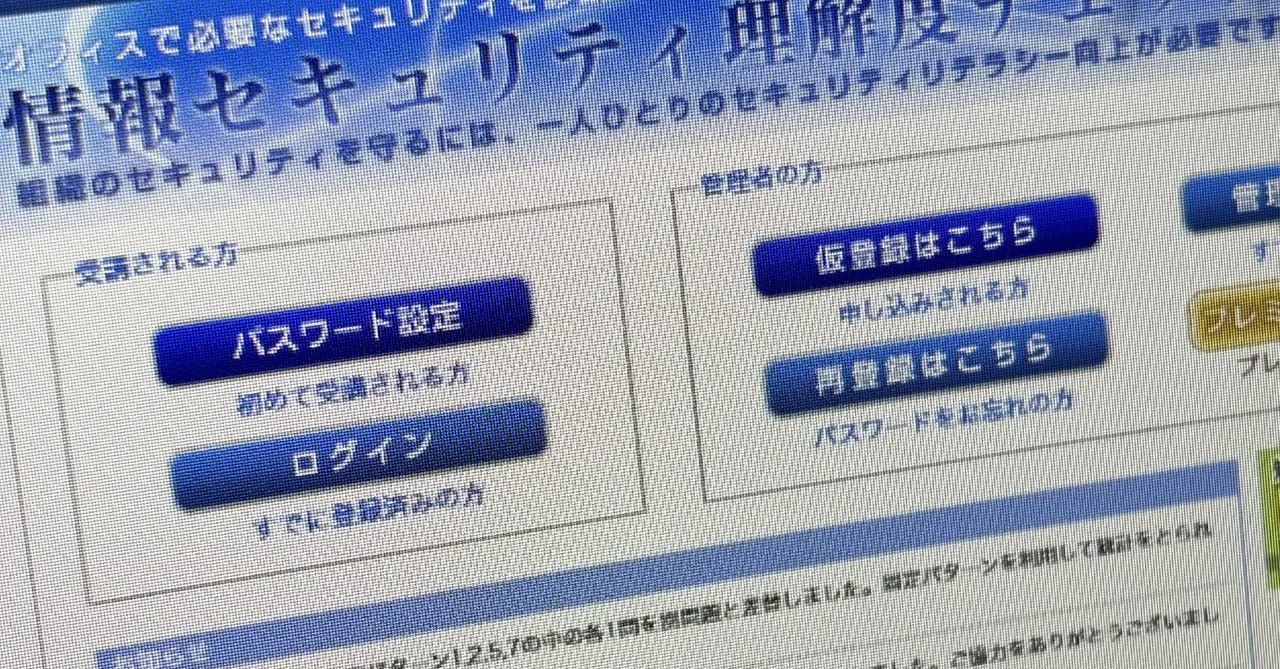
Doll Maker Azone Closes Its Online Shop to Avoid Holding Customer Data
Japanese doll maker Azone International is shutting its official AZONET store and will keep personal data out of its own systems wherever possible, citing cyberattack risk.
 SUMO· the number puzzle
 Dialo· learn languages by speaking
 ediviewer· read EDI files like documents
 giftdetect· the right gift in minutes
Azone International, a Japanese maker and seller of dolls, announced on November 6 that it will close its official online store, AZONET. The company says the move follows a decision to avoid storing customers' personal information in its in-house systems wherever possible, given the current risk of cyberattacks.
The firm will keep its Rakuten Ichiba storefront, the Azone Label Shop, and is urging customers to buy there instead. In a post on its official X account, it described making its operations free of stored personal data as its top priority.
Closure follows a data leak and a shutdown
In October, Azone disclosed that customer email addresses had been exposed through unauthorized access to Blast Mail, an email newsletter delivery service it used. From October 26, it also suspended its official online shop, its main website and its inquiry form as a precautionary security measure, and carried out maintenance.
Reaction online has been split. Many users said they regret that buying will become less convenient, while others called the decision sensible given the cost of maintaining security.
A wider shift toward holding less data
Azone is not alone. Monogatari Corporation, which runs the Yakiniku King chain, saw personal data on 10.78 million members leak through unauthorized access in October. It plans to stop retaining names and phone numbers in 11 group apps, including Yakiniku King, by around the first half of 2027. Email addresses will still be collected for reservations, but the company intends to rebuild the system so that it eventually holds no personal data at all.
Yudetaro System, which operates the Yudetaro soba chain, has ended its Birthday Club, which sent coupons to members who registered names, addresses and birthdays through a Facebook link. It plans to delete personal data registered after the December coupon mailing.
The cases show some Japanese businesses concluding that data they never collect cannot be stolen, even if that means dropping their own storefronts or loyalty programs, as breaches continue to hit retailers and service operators.
Apps worth a look
SUMO: the number puzzleTap the right tiles, add them up, hit the target. Easy to learn, hard to master. Free, for all ages.
Dialo: learn languages by speakingTalk to an AI conversation partner; every sentence comes back corrected and explained in your language. 9 languages, A1 to C2.
ediviewer: read EDI files like documentsOpen EDIFACT and X12 messages, see every segment explained, convert to JSON/XML, export PDF and Excel. Runs locally, no upload.
giftdetect: the right gift in minutesPick who it is for, the occasion and their personality. The search engine reads product descriptions from local shops and ranks what fits. Free, no sign-up.
More from this day
See all →
Citus Demonstrates GPS-Free Firefighter Tracking, Eyes Military Use

Google Cloud expands CodeMender and AI agent security tools

Operation Ghostbusters: 830,840 Suspected Ghost Students Found