Audi Q3 profit collapses 87% as China slump and Trump row bite
Audi earned just 95 million euros after tax in the third quarter, down 87%. CEO Gernot Döllner also faces criticism over a joint appearance with Donald Trump.
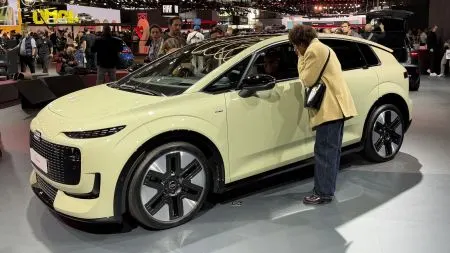
Audi narrowly avoided a loss in the third quarter. According to the company, profit after tax fell to 95 million euros, down 87% from 718 million euros a year earlier. The result deepens the crisis at the Volkswagen Group unit, which also includes Lamborghini, Bentley and Ducati.
Over the first nine months, Audi earned 1.22 billion euros on revenue of 42 billion euros, both sharply lower. After the weak third quarter, the company has cut its full-year forecast. Finance chief Jürgen Rittersberger said the new outlook implies a better fourth quarter.
China, tariffs and rising costs
Audi blames the slump in China, especially for combustion-engine cars, along with tougher competition and growing export pressure from Chinese manufacturers in Europe. It also cites uncertainty from the Middle East situation, higher energy costs and US tariffs. Audi is hit harder than some rivals partly because it has no plant in the US and key models are in changeover. Mercedes, by comparison, made 1.52 billion euros in the quarter; BMW reports next week.
Rittersberger said the need for action is high and cannot be postponed, promising consistent cost discipline, less complexity and more efficient structures. Audi gave no specifics for German sites. A 2025 agreement already provides for up to 7,500 job cuts in Germany by 2029, and talks on further savings are under way, with the Neckarsulm plant's future reportedly in question. In early October Audi invoked a 2019 "bad weather clause" that forces management and works council to negotiate.
Döllner's appearance with Trump
CEO Döllner is under pressure after appearing on stage with US President Donald Trump at a campaign event, where Trump announced Audi's plan to build a plant in Georgia. Critics, some calling for his resignation, say the appearance shortly before the 3 November midterms violated Audi's own rules. Döllner defended it as in the company's interest, saying such an invitation cannot be declined out of respect for the office.
Rittersberger gave few details on the plant's terms, citing infrastructure, workforce and incentives as reasons for Georgia. He did not say whether the deal would affect tariffs before production starts. The supervisory board was due to meet in an extraordinary session to discuss these issues.