Asahi Linux Switches to GPL, Citing AI Code Scraping and Omarchy
Asahi Linux is moving its repositories from the MIT license to GPLv2 or later, aiming to stop rivals and AI tools from copying its reverse-engineering work.
 SUMO· the number puzzle
 Dialo· learn languages by speaking
 ediviewer· read EDI files like documents
 giftdetect· the right gift in minutes
Asahi Linux, the volunteer project that makes Linux run on Apple Silicon Macs, is moving all its repositories from the permissive MIT license to GPLv2 "or later". The announcement closes the progress report for Linux 7.3, written by contributor James Calligeros.
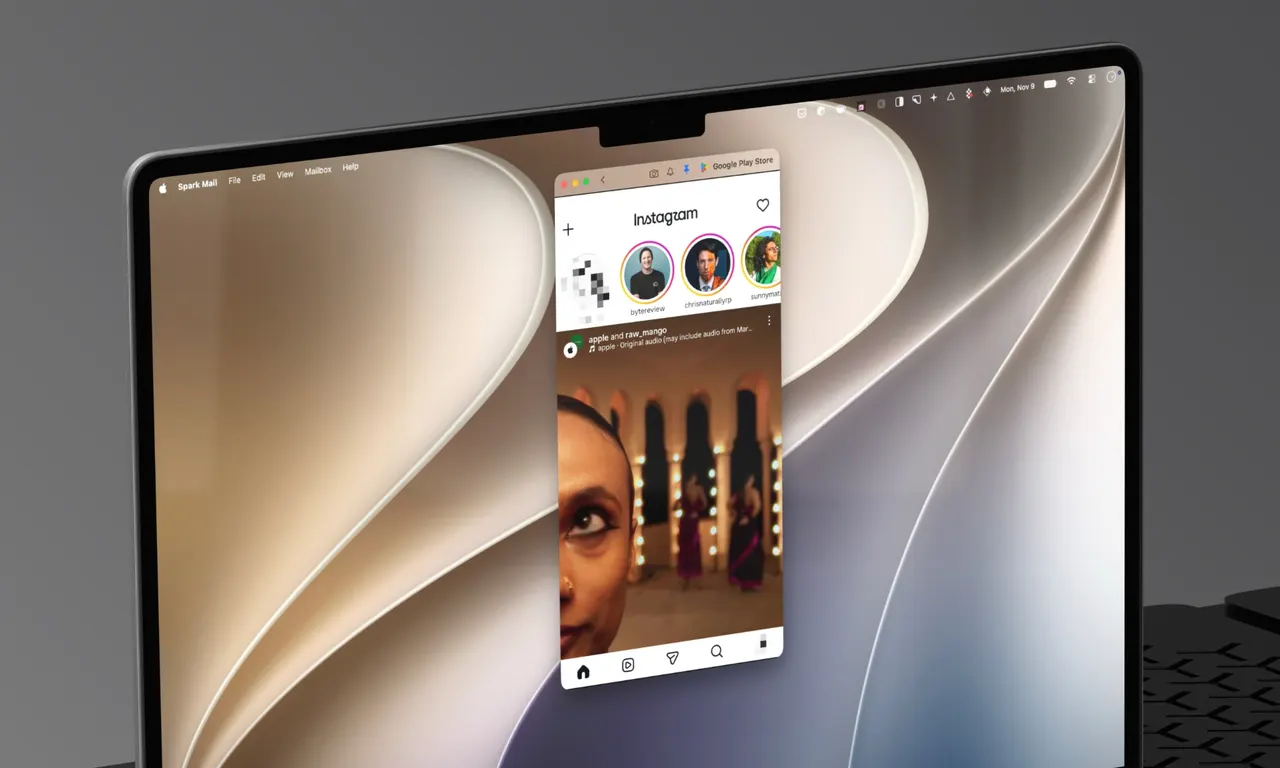
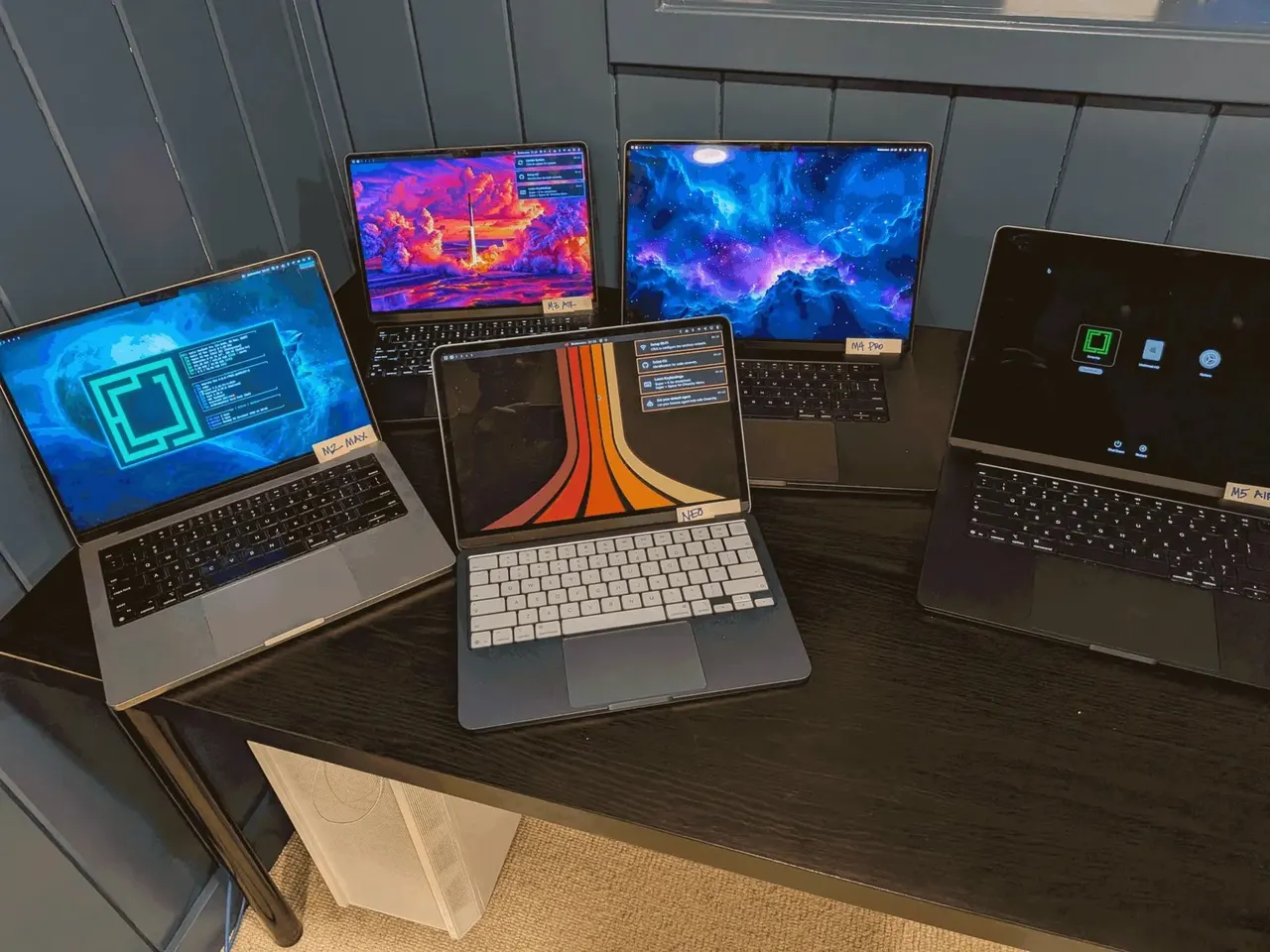
The timing set off a row on X. Days earlier, David Heinemeier Hansson, creator of Ruby on Rails, had released Omarchy 4.5, which includes an app that installs Linux from macOS without a USB stick. The Asahi report names no one, but Hansson, who had just celebrated his distribution arriving on M1, M2, M3 and Neo Macs, responded quickly.
What changes with the license
MIT lets anyone reuse code, close it inside a commercial product and sell it, provided the copyright notice is kept. The GPL is a copyleft license: anyone distributing a modified version must supply the source under the same terms. Selling a product based on Asahi stays allowed, but turning it into a proprietary black box does not.
According to the Asahi team, several parties tried to use its work "to replace the project" and monetize Linux on Mac. In extreme cases, unfinished code was taken from developers' personal directories and republished without credit, or rewritten with a large language model to hide its origin. Asahi points to WINE, which left MIT for the LGPL in 2002 for similar reasons.
Omarchy is an Arch Linux-based distribution backed by the Omacom Foundation, created in August by Hansson with support from 1Password and 37signals. Its Mac port reuses m1n1, the bridge between Apple's boot process and Linux, plus Asahi's installer and kernel through a fork called Aurora. Hansson says the change does not affect him, since the Linux kernel is already GPLv2 and Omarchy itself is MIT and will remain free.
Collateral damage
In practice, m1n1, the installer and some Asahi tools were MIT-licensed, and Omarchy's installation engine relies on them. Older versions stay under MIT, but integrating future Asahi updates will require complying with the GPL.
OpenBSD developer Bryan Steele criticized the relicensing of m1n1 without, he says, the consent of all earlier contributors. OpenBSD avoids the GPL on principle yet depends on m1n1 to boot on Macs. The dispute also reflects opposing stances on AI: Asahi's policy bans generative AI use in contributions, while Omarchy takes a different line.
Apps worth a look
SUMO: the number puzzleTap the right tiles, add them up, hit the target. Easy to learn, hard to master. Free, for all ages.
Dialo: learn languages by speakingTalk to an AI conversation partner; every sentence comes back corrected and explained in your language. 9 languages, A1 to C2.
ediviewer: read EDI files like documentsOpen EDIFACT and X12 messages, see every segment explained, convert to JSON/XML, export PDF and Excel. Runs locally, no upload.
giftdetect: the right gift in minutesPick who it is for, the occasion and their personality. The search engine reads product descriptions from local shops and ranks what fits. Free, no sign-up.
More from this day
See all →
Windows 11 Registry Editor Gets a WinUI 3 Version as a Demo
JRH ASI to Finance Radar System Production for Ukrainian Partner
Budimex Tests Autonomous Rollers as Poland's Labor Shortage Bites