Arete: Nous Research retrains Alibaba's Qwen3.8 to drop Beijing's line
Nous Research took Alibaba's Qwen3.8-27B and retrained it as Arete. Propaganda in its answers fell from 22% to 1%, using just 50 million tokens of data.
 SUMO· the number puzzle
 Dialo· learn languages by speaking
 ediviewer· read EDI files like documents
 giftdetect· the right gift in minutes
Nous Research, a US AI lab, has taken one of China's most popular open models and tried to scrub the politics out of it. The result is Arete, a retrained version of Alibaba's Qwen3.8-27B, and the lab says the state-friendly streak in the original turned out to be surprisingly shallow.
The stated goal of Arete is to "establish Western values in a model originally trained in China." The team's reasoning is that Chinese open-weight models (models whose trained parameters anyone can download) are among the most powerful available, but their weights come with behaviour that matches Chinese state ideology.
How well did the retraining of Qwen3.8 work?
The numbers are good, if not spectacular. On a five-point scale, the factual accuracy of Arete-27B rose from 2.32 to 2.98. The share of answers containing propaganda dropped from 22% to 1%. According to Nous Research, that is about what Western models score in the lab's tests.
The fix was cheap. The propaganda layer in Qwen3.8-27B is superficial, the researchers found, and about 50 million tokens of training data were enough to remove it. For the base of the retraining they looked at Nvidia's Nemotron 3 Ultra, but it also handled China-related topics inconsistently. They suspect Chinese models were used somewhere in Nemotron's own training. They settled on Inkling, an open model from the American Thinking Machines Lab.
Is this only about ideology?
Not quite. The source material notes that risks from Chinese models are not limited to promoting Beijing's views, and that under certain conditions some of them can generate vulnerable code. Separately, the company Hirundo retrained Alibaba's Qwen3.6-35B-A3B and cut answers reflecting Beijing's preferences from 89.8% to 2.8%.
For anyone running open models locally, the takeaway is practical: the origin of a model can leave fingerprints in its answers, and those fingerprints can sometimes be removed with a modest amount of extra training. Arete also produces answers that Alibaba's own developers would not always consider acceptable.
Apps worth a look
SUMO: the number puzzleTap the right tiles, add them up, hit the target. Easy to learn, hard to master. Free, for all ages.
Dialo: learn languages by speakingTalk to an AI conversation partner; every sentence comes back corrected and explained in your language. 9 languages, A1 to C2.
ediviewer: read EDI files like documentsOpen EDIFACT and X12 messages, see every segment explained, convert to JSON/XML, export PDF and Excel. Runs locally, no upload.
giftdetect: the right gift in minutesPick who it is for, the occasion and their personality. The search engine reads product descriptions from local shops and ranks what fits. Free, no sign-up.
More from this day
See all →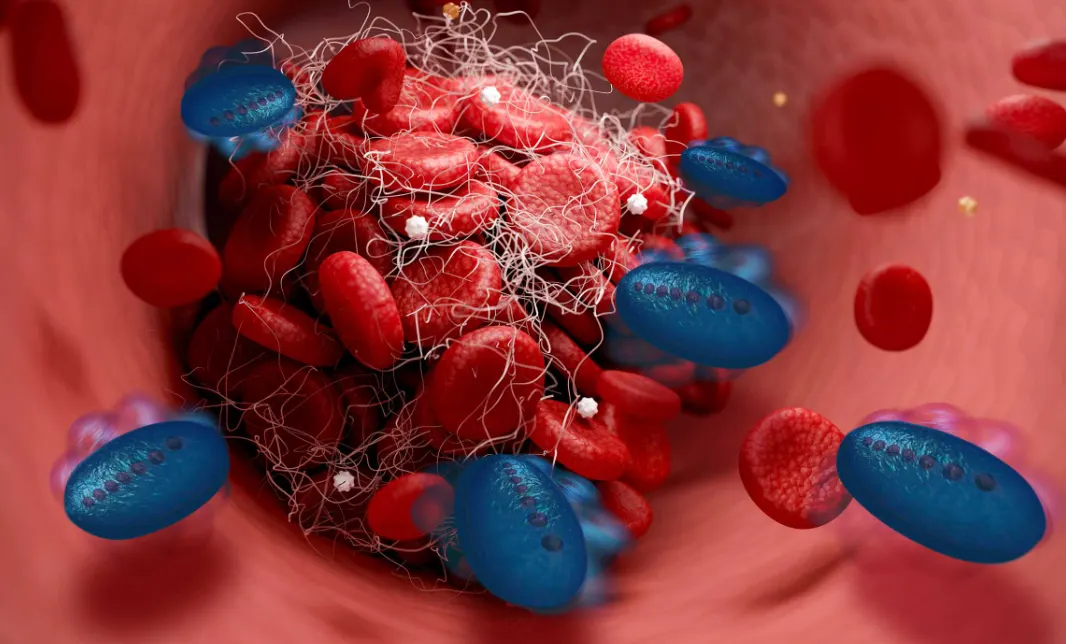
Magnetic microrobots from ETH Zurich help clot drugs work faster
Beget outage: 95% of shared hosting servers are back online
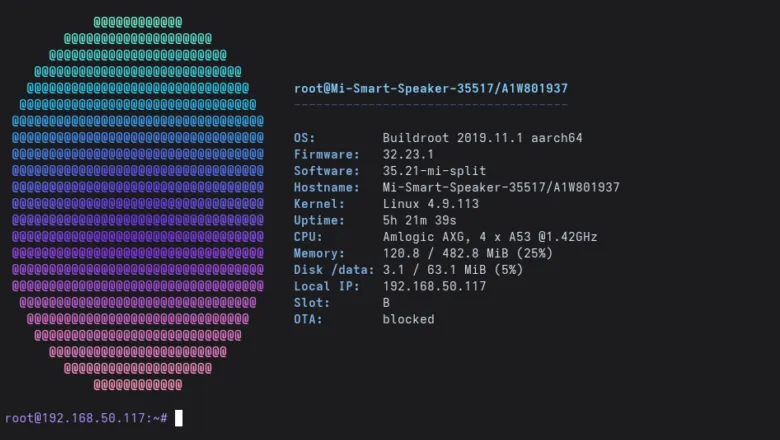
Xiaomi Mi Smart Speaker root and SSH: a hobbyist's SpeakerLab