AMD Zen 6 Architecture: 12-Core CCX Hints at Future Ryzen Chips
At AMD In Depth 2026, AMD detailed Zen 6: a 12-core CCX with 48 MB of L3 cache. No Ryzen specs yet, but the building blocks hint at what desktop chips could become.
 SUMO· the number puzzle
 Dialo· learn languages by speaking
 ediviewer· read EDI files like documents
 giftdetect· the right gift in minutes
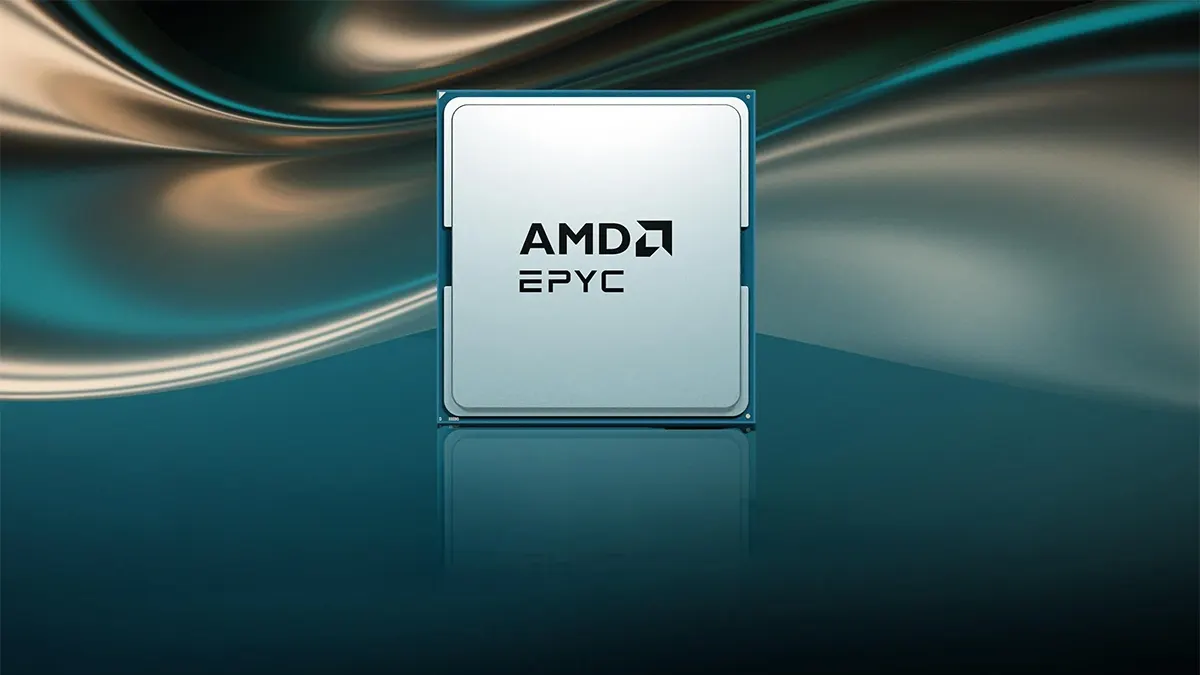
AMD used its In Depth 2026 conference, largely devoted to Epyc Venice server processors, to lay out the Zen 6 architecture in detail. The most interesting part for PC users is how core complexes, cache and instruction execution are organized. The company did not announce specifications for new Ryzen chips, and server results cannot be read as gaming performance.
A bigger core complex
In the standard Zen 6 variant, tuned for strong single-core performance and low latency, one CCX holds 12 cores sharing 48 MB of L3 cache. The equivalent Zen 5 configuration had eight cores and 32 MB. That opens the door to a 12-core desktop processor built on a single compute chiplet, and a two-chiplet 24-core design becomes a natural technical scenario. Neither is a confirmed product. For reference, the Ryzen 9 9950X has 16 cores.
The extra cache is less dramatic than it looks. Cores grow by the same proportion, so the nominal figure stays at 4 MB of L3 per core, as in Zen 5. L3 is shared across the package, so whether games, renderers or compilers benefit will depend on the workload. AMD also confirmed 3D V-Cache for the server line: Venice-X is planned with up to 1,152 MB of L3 per processor. That signals direction, not a spec for a future Ryzen X3D.
Zen 6c and the 27 percent figure
Zen 6c targets core density and whole-chip throughput. One package holds 32 cores and 128 MB of L3, versus 16 cores and 32 MB in Zen 5c, raising the nominal cache from 2 to 4 MB per core. Both variants share a 512-bit vector data path, and AMD claims a similar IPC gain for standard Zen 6.
AMD cites roughly 27 percent higher IPC for Zen 6c than Zen 5, a geometric mean across server and AI tasks: about 20 percent for enterprise and cloud workloads and about 31 percent for AI. The test used a fixed clock and 16 cores on each side, spread across two CCDs for Zen 5 and one for Zen 6c. The grouping of cores therefore differs, so the result reflects a new design under specific conditions rather than one isolated improvement.
That is why claims such as "Zen 6 gives Ryzen 27 percent more performance" or "27 percent more FPS" go too far. The numbers show the potential of the changes, but a data-center test suite does not represent a gaming library. Independent tests of actual products will show how much desktop users gain.
Apps worth a look
SUMO: the number puzzleTap the right tiles, add them up, hit the target. Easy to learn, hard to master. Free, for all ages.
Dialo: learn languages by speakingTalk to an AI conversation partner; every sentence comes back corrected and explained in your language. 9 languages, A1 to C2.
ediviewer: read EDI files like documentsOpen EDIFACT and X12 messages, see every segment explained, convert to JSON/XML, export PDF and Excel. Runs locally, no upload.
giftdetect: the right gift in minutesPick who it is for, the occasion and their personality. The search engine reads product descriptions from local shops and ranks what fits. Free, no sign-up.
More from this day
See all →
Anorak raises $5M pre-seed to make generative video playable

Fractile raises over £500M at £5bn+ valuation for AI chips

Windows Auto SR Leaves Preview, Now Works on ROG Xbox Ally Handhelds

Windows 11 Auto SR Now Official: AI Upscaling Up to 120 FPS
More in: Hardware
See all →
IBM Unveils Nighthawk r3, a 520-Qubit Quantum Chip for 2027

Mitsubishi Electric and KDDI Build Antenna From Tap Water

Reg.cloud Opens Self-Service NVIDIA H100 and RTX PRO 6000 GPUs