AI glasses exam cheating: ETRI wants NFC tags and ID marks
A Korean researcher says AI glasses should ship with a physical mark or NFC chip so exam supervisors can tell them from ordinary spectacles.
 SUMO· the number puzzle
 Dialo· learn languages by speaking
 ediviewer· read EDI files like documents
 giftdetect· the right gift in minutes
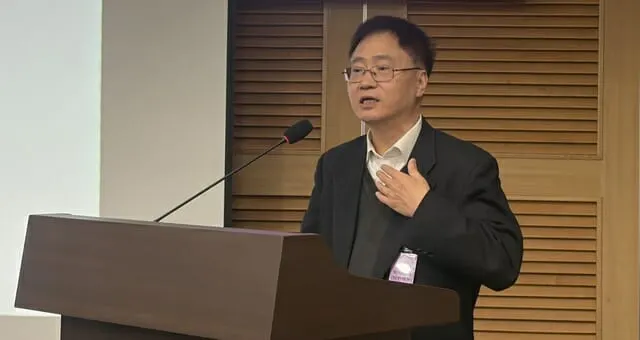
Cheating on exams with AI glasses could be easier to stop if the glasses carried a tag that says what they are. That was the pitch from Song Gi-bong, a researcher at Korea's Electronics and Telecommunications Research Institute (ETRI), at a National Assembly forum on AI glasses exam cheating held on 23 November.
Song's reasoning is simple. Cheating happens because nobody can easily tell whether a pair of glasses is ordinary or smart. His fix is to build in a visible identification mark or an NFC (near-field communication) chip at the design stage, and to make it leave a trace if someone removes or damages it. He also suggested studying whether the mark should be a Korean standard or an international one backed by global manufacturers.
How do AI glasses help people cheat?
Song described the process this way: once Wi-Fi is on, the glasses send information through a router to a server, which works out an answer and sends it to the built-in speaker. He argued that regulators should stop reacting after the fact and look at manufacturing, distribution, security and standards from the start.
He also floated encrypting the exam paper itself, so its content only displays properly through AI glasses. On the hardware side, he suggested building encryption into the camera, speaker and microphone interfaces, using industry standards such as those from the MIPI Alliance. That could mean extra chips or design changes, so cost and performance would have to be weighed. He also said the logs a device produces need managing, since they can carry device information and usage records.
What is being done about imports?
Song noted that key parts such as displays, cameras, speakers and microphones are hard to source in Korea. Even a 0.13-inch microdisplay, he said, is developed domestically but sold in China.
On the customs side, Yang Seung-hyuk of the Korea Customs Service said that since October a dedicated AI glasses code, two digits added to the existing 10-digit HSK code, has been in use. The agency plans to work with the science ministry on an inspection system that checks whether imported products comply and are registered. A ministry official said it will work with other ministries on rules that reflect the risks of AI glasses.
Apps worth a look
SUMO: the number puzzleTap the right tiles, add them up, hit the target. Easy to learn, hard to master. Free, for all ages.
Dialo: learn languages by speakingTalk to an AI conversation partner; every sentence comes back corrected and explained in your language. 9 languages, A1 to C2.
ediviewer: read EDI files like documentsOpen EDIFACT and X12 messages, see every segment explained, convert to JSON/XML, export PDF and Excel. Runs locally, no upload.
giftdetect: the right gift in minutesPick who it is for, the occasion and their personality. The search engine reads product descriptions from local shops and ranks what fits. Free, no sign-up.
More from this day
See all →
Hebao H3: the Chinese robot boat that cleans lakes by itself

Tesla FSD becomes TAS, and its speeding margin drops to 10%
Liqutenna: Mitsubishi Electric's Tap Water Phone Antenna