AI glasses and exam cheating: Naver, Coupang crack down on sales
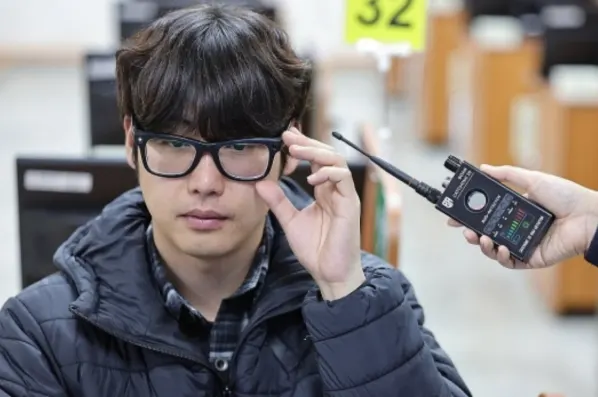
After AI cheating on exams became a public row in South Korea, Naver, Coupang and Daangn tightened rules on AI glasses and tiny cameras. Searches for them jumped anyway.
 SUMO· the number puzzle
 Dialo· learn languages by speaking
 ediviewer· read EDI files like documents
 giftdetect· the right gift in minutes
South Korea's online marketplaces are trying to stop AI glasses and hidden cameras from being sold as exam cheating tools. The odd result so far: the controversy over AI cheating seems to have made people more curious about the gear.
On 16 November, Naver told sellers on its Smart Store that it is tightening oversight of products that could be abused to cheat. The main targets are micro cameras, AI glasses and small earphones. Sellers were warned that using such gear in an exam can void results, strip eligibility to sit the test and even bring criminal liability. Listings that pitch a product as a way to check answers in secret, or to dodge proctors, are banned, as is anything labelled for cheating. Cameras hidden in pens, watches, glasses or buttons can't be sold, and neither can stickers that cover the recording light on smart glasses.
Coupang already restricts tiny camera devices under its marketplace rules, including cameras disguised as pens, watches, chargers or power banks. It also plans to check the search keywords used in product registrations. Used-goods app Daangn now shows a warning in the chat window when AI glasses or micro cameras are traded, telling both buyer and seller that illegal use can be punished. AliExpress banned listings that promise undetectable cheating. Cheating-related searches there used to return cameras and earphones. Since the afternoon of 16 November they no longer do.
Are searches for AI glasses going up?
Yes. According to Daangn, searches for "AI glasses" from 13 to 15 November were up about 233% on the previous three days. The company cautions that listings and actual trades are few, so real sales may not have risen much.
Will the government block these products?
Not outright. The Korea Media and Communications Commission said on 17 November that it shares the concern and will work with the review committee and platforms. But it argues that selling a device and using it to cheat are separate matters, so ads encouraging cheating or explaining how to do it should be judged case by case.
Law professor Ryu Ji-woong of Dongguk University says a blanket ban on selling such cameras is hard. A licensing system has been floated, he said, but it would need more discussion on which agency runs it and how products are tracked after sale.
Apps worth a look
SUMO: the number puzzleTap the right tiles, add them up, hit the target. Easy to learn, hard to master. Free, for all ages.
Dialo: learn languages by speakingTalk to an AI conversation partner; every sentence comes back corrected and explained in your language. 9 languages, A1 to C2.
ediviewer: read EDI files like documentsOpen EDIFACT and X12 messages, see every segment explained, convert to JSON/XML, export PDF and Excel. Runs locally, no upload.
giftdetect: the right gift in minutesPick who it is for, the occasion and their personality. The search engine reads product descriptions from local shops and ranks what fits. Free, no sign-up.
More from this day
See all →
South Korea's CSAT AI cheating rules: buttons get stickers, memes follow
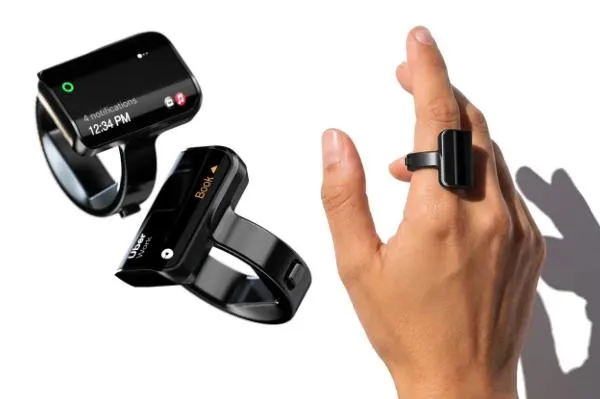
Aina Ring: a smart ring with a screen that suggests your next task

New Suica mascot: a purple rabbit replaces the Suica Penguin