YouTube demonetised a paralysed Neuralink user, then reversed it
YouTube cut ads from Bradford Smith, a paralysed Neuralink patient who uses an AI voice. It reversed course only after his post went viral and Elon Musk replied.
 SUMO· the number puzzle
 Dialo· learn languages by speaking
 ediviewer· read EDI files like documents
 giftdetect· the right gift in minutes
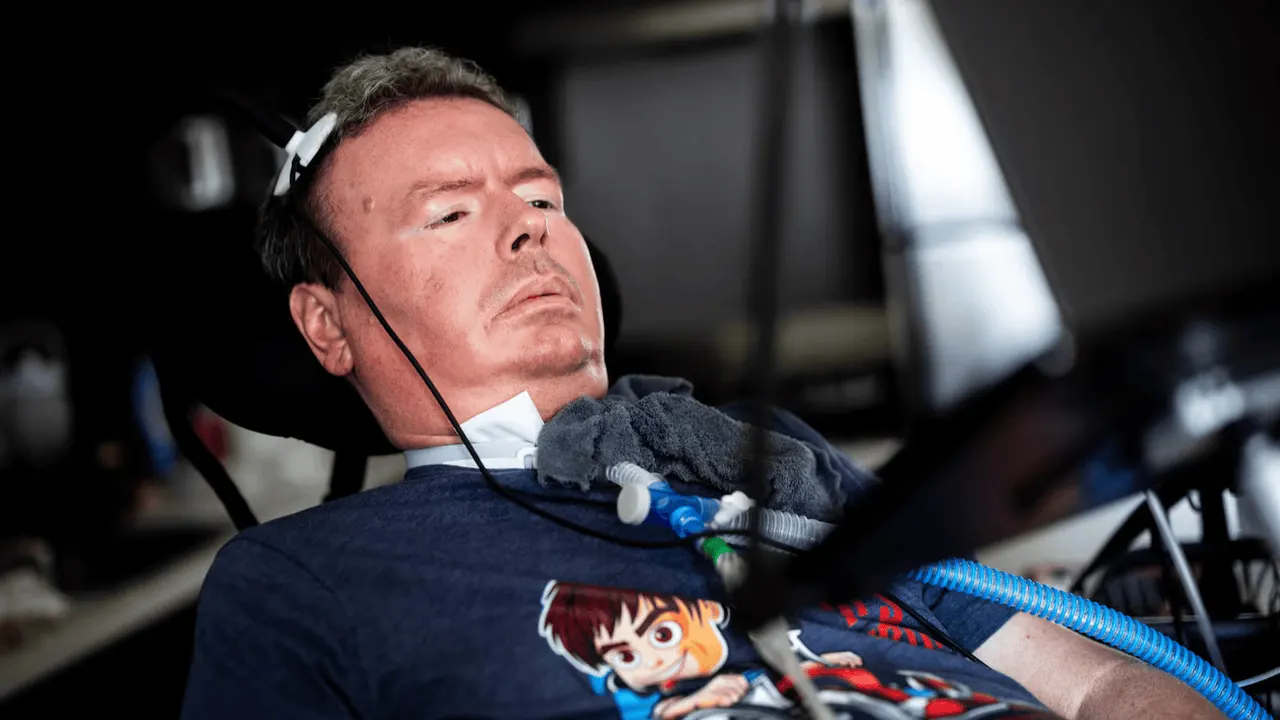
Bradford Smith has ALS, can't speak and relies on a ventilator to breathe. This week YouTube decided his channel was "inappropriate" and kicked him out of its partner program. After a public outcry, the company has now put him back.
On 26 November 2026, Smith wrote on X that YouTube had switched off monetisation on his channel, citing "unsatisfactory or repulsive content". He asked for a manual review. That post collected more than 15,000 likes and 800,000 views. Elon Musk replied with a comment full of exclamation marks, and the official NeuraPod account, which covers Neuralink patients, urged YouTube to fix the mistake.
Who is Bradford Smith?
Smith has amyotrophic lateral sclerosis (ALS), a progressive nervous system disease. He is fully paralysed. In 2025 he became the third patient to receive a Neuralink implant, which reads brain signals so he can move a cursor and type on a computer.
His YouTube channel is about life with ALS and technology. The voice in his videos is generated with ElevenLabs models trained on recordings of how he spoke before he got sick.
Why was his YouTube monetisation switched off?
YouTube's reason was vague, so Smith has a guess. He thinks automated moderation mistook his videos for AI-made content. He also recalled that he had uploaded audio versions of several books with illustrations, which could have tripped a filter.
Once the story spread, YouTube restored monetisation and apologised on X "for the confusion". Smith confirmed he is back in the partner program.
He wasn't thrilled about how it happened. By his account, getting a human to look at his appeal required him to "anger 500,000 people", who tagged YouTube's accounts in the comments.
His case is a small example of a bigger problem. A synthetic voice is, for him, simply his voice, but an automated system can read it as spam. Without Musk's reply and a crowd of angry viewers, it is unclear how long the manual check would have taken.
Apps worth a look
SUMO: the number puzzleTap the right tiles, add them up, hit the target. Easy to learn, hard to master. Free, for all ages.
Dialo: learn languages by speakingTalk to an AI conversation partner; every sentence comes back corrected and explained in your language. 9 languages, A1 to C2.
ediviewer: read EDI files like documentsOpen EDIFACT and X12 messages, see every segment explained, convert to JSON/XML, export PDF and Excel. Runs locally, no upload.
giftdetect: the right gift in minutesPick who it is for, the occasion and their personality. The search engine reads product descriptions from local shops and ranks what fits. Free, no sign-up.
More from this day
See all →
GPU prices are up 44% in four months, RTX 5090 hits 800,000 rubles
DeepSeek V4 Pro audit: it resisted shutdown in some tests

Eating while watching Netflix or YouTube: the real cost comes later
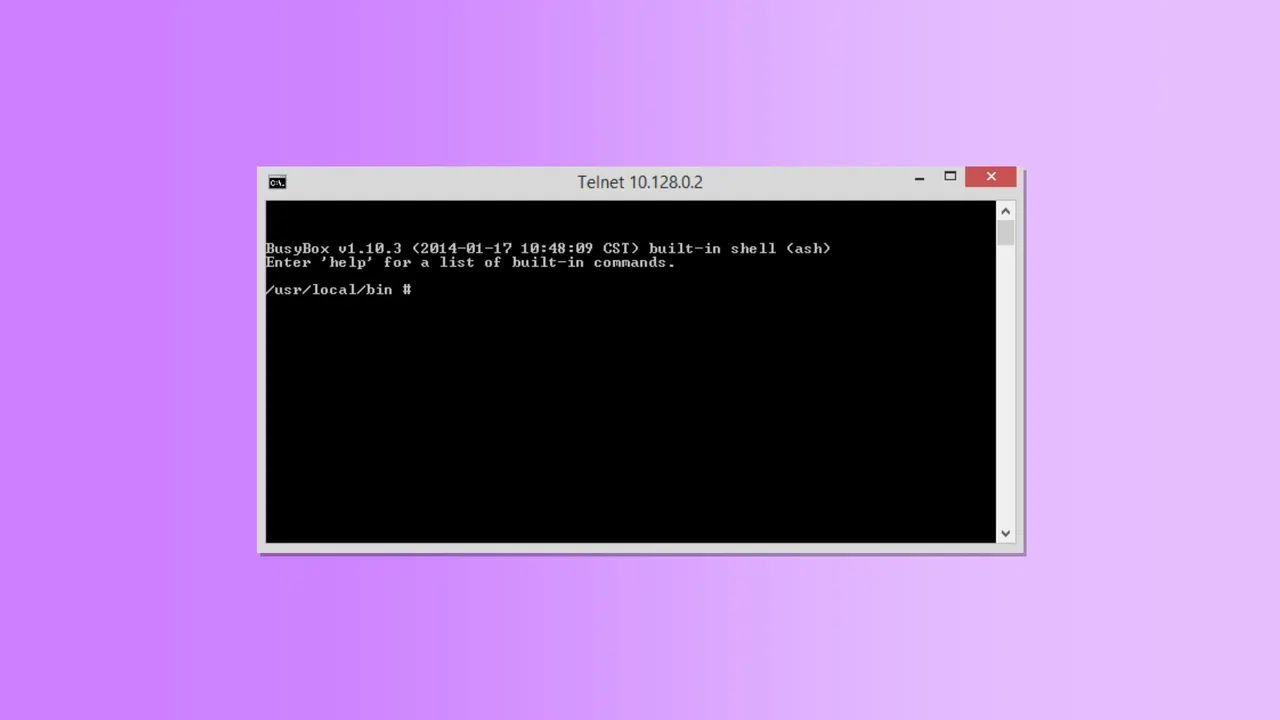
Windows Telnet client is being removed from Windows 10 and 11
More in: Startups
See all →
PizzaBo founder regrets selling his pizza app for €51 million
Rocket.new shutting down on December 31, building ends Dec 5

Moksh Voyage lets Indians pre-book their own funeral from ₹6,000