WhatsApp vulnerabilities: CERT-In issues High severity alert
India's cybersecurity agency says five WhatsApp flaws could let attackers delete files or run code. Meta has fixes, and the advice is to update the app.
 SUMO· the number puzzle
 Dialo· learn languages by speaking
 ediviewer· read EDI files like documents
 giftdetect· the right gift in minutes
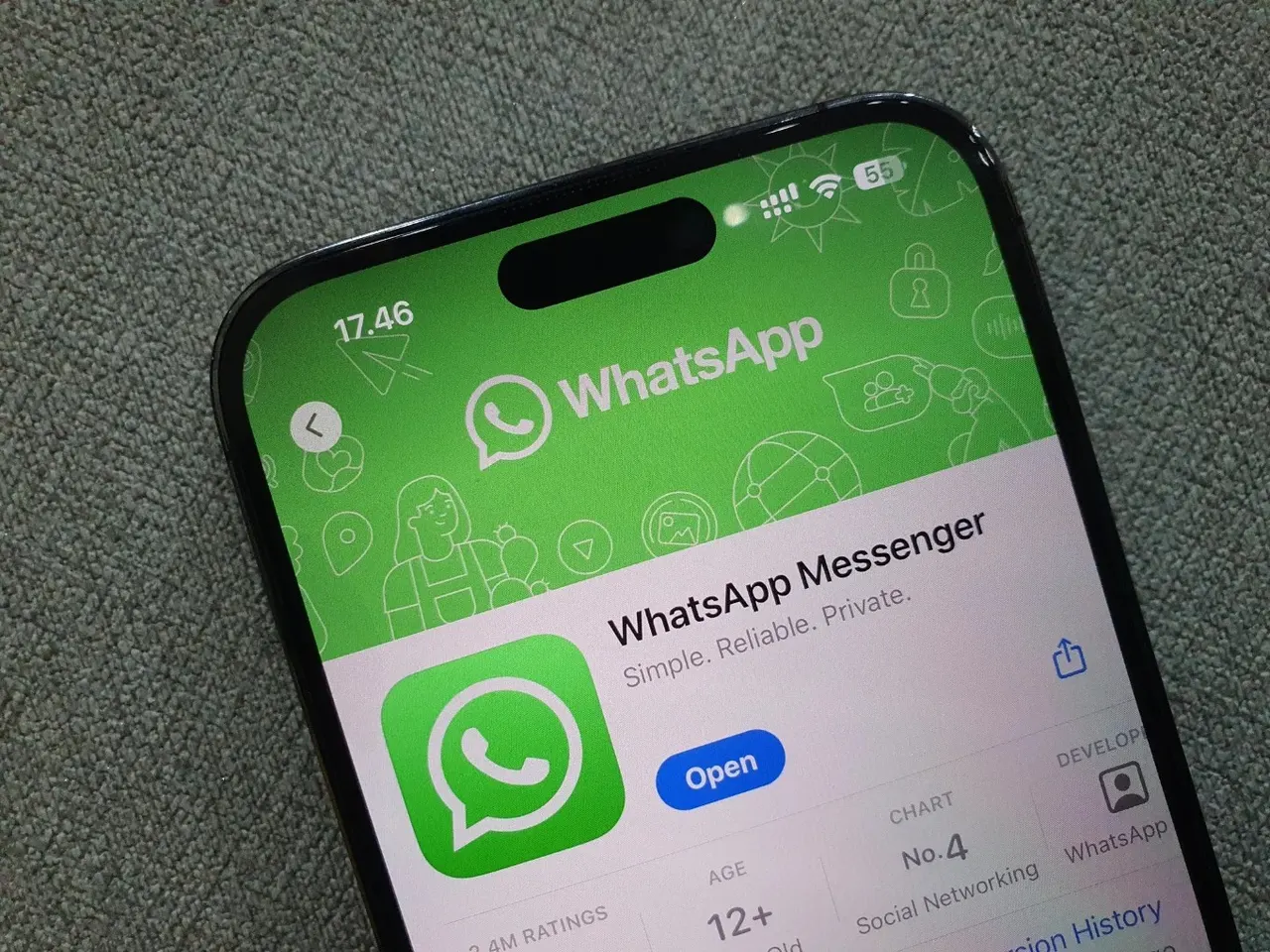
If you use WhatsApp on a phone or computer, India's cybersecurity agency wants you to check for updates. CERT-In has flagged five WhatsApp vulnerabilities and rated its advisory 'High' severity.
The advisory, issued on November 26, covers WhatsApp and WhatsApp Business on Android and iOS, plus the desktop apps for Windows and Mac. According to the agency, a remote attacker could send a specially crafted message, attachment or URL and potentially run arbitrary code, obtain sensitive information, change app data or bypass security restrictions.
What are the five WhatsApp vulnerabilities?
Three were disclosed in WhatsApp's November 2026 security update and two in May. The agency says they stem from attachment spoofing, SQL injection, improper certificate chain validation, and incomplete validation of AI-rich response messages and external advertisement-reply URLs.
One example is a SQL injection flaw in WhatsApp for Android. It could be triggered when a user tapped a crafted 'order details' message sent through an unofficial WhatsApp client. Attackers could delete locally stored WhatsApp files, and if the recipient was online, infer one bit of information about the chat database through a timing technique. An outside researcher reported it through Meta's Bug Bounty programme.
Another concerns the check used to establish trust with Meta AI's confidential computing backend. Someone inside Meta's infrastructure could bypass hardware-based verification with a certificate signed by the wrong key, but only if it was first published to WhatsApp's third-party transparency ledger. WhatsApp says every published certificate traced back to the hardware maker's root of trust.
A third could expose a user's IP information through media hosted on an attacker-controlled URL, sent in a crafted Click to WhatsApp advertisement-reply message.
Have these WhatsApp flaws been exploited?
WhatsApp reported no evidence of exploitation for four of the five. The exception is the Android advertisement-reply URL flaw, which may have been abused alongside specific spam messages, though the company did not confirm exploitation.
What should you do?
CERT-In advises individuals and organisations on affected versions to install the latest updates released by Meta. Updating WhatsApp from your app store is the practical step.
Apps worth a look
SUMO: the number puzzleTap the right tiles, add them up, hit the target. Easy to learn, hard to master. Free, for all ages.
Dialo: learn languages by speakingTalk to an AI conversation partner; every sentence comes back corrected and explained in your language. 9 languages, A1 to C2.
ediviewer: read EDI files like documentsOpen EDIFACT and X12 messages, see every segment explained, convert to JSON/XML, export PDF and Excel. Runs locally, no upload.
giftdetect: the right gift in minutesPick who it is for, the occasion and their personality. The search engine reads product descriptions from local shops and ranks what fits. Free, no sign-up.
More from this day
See all →
Kodak SlideTag: a key fob that shows a photo and can be tracked

GrapheneOS shows RCS messenger proof of concept without Google

Instagram for TV comes to India: Reels on Apple TV, Fire TV, Google TV