Waymo freeway rides paused across the U.S. after California ban
Waymo has pulled its robotaxis off every U.S. freeway after California's DMV called its driverless highway operations an imminent hazard to public safety.
 SUMO· the number puzzle
 Dialo· learn languages by speaking
 ediviewer· read EDI files like documents
 giftdetect· the right gift in minutes
Waymo has stopped carrying passengers on freeways anywhere in the United States. The reason: California's Department of Motor Vehicles told the company its driverless taxis can't use state highways, at least for now.
The California ban took effect last week and only covers that state. Waymo, which is owned by Alphabet and is the biggest name in robotaxis, decided to pull its cars from every U.S. freeway anyway so it can evaluate how they perform. Rides on city streets continue as normal.
The DMV pointed to a series of incidents in which Waymo vehicles drove into active construction zones. In its statement, the department said it "determined that Waymo's driverless freeway operations pose an imminent hazard to public safety." Waymo says it is working with the DMV and other state officials "diligently and responsibly" to get freeway service back.
Why was Waymo banned from California highways?
Construction zones are the core of it. This is the second freeway pullback this year. In June, Waymo recalled 3,871 vehicles running its fifth-generation Automated Driving System, over concerns they could drive at highway speed into lanes closed for roadwork.
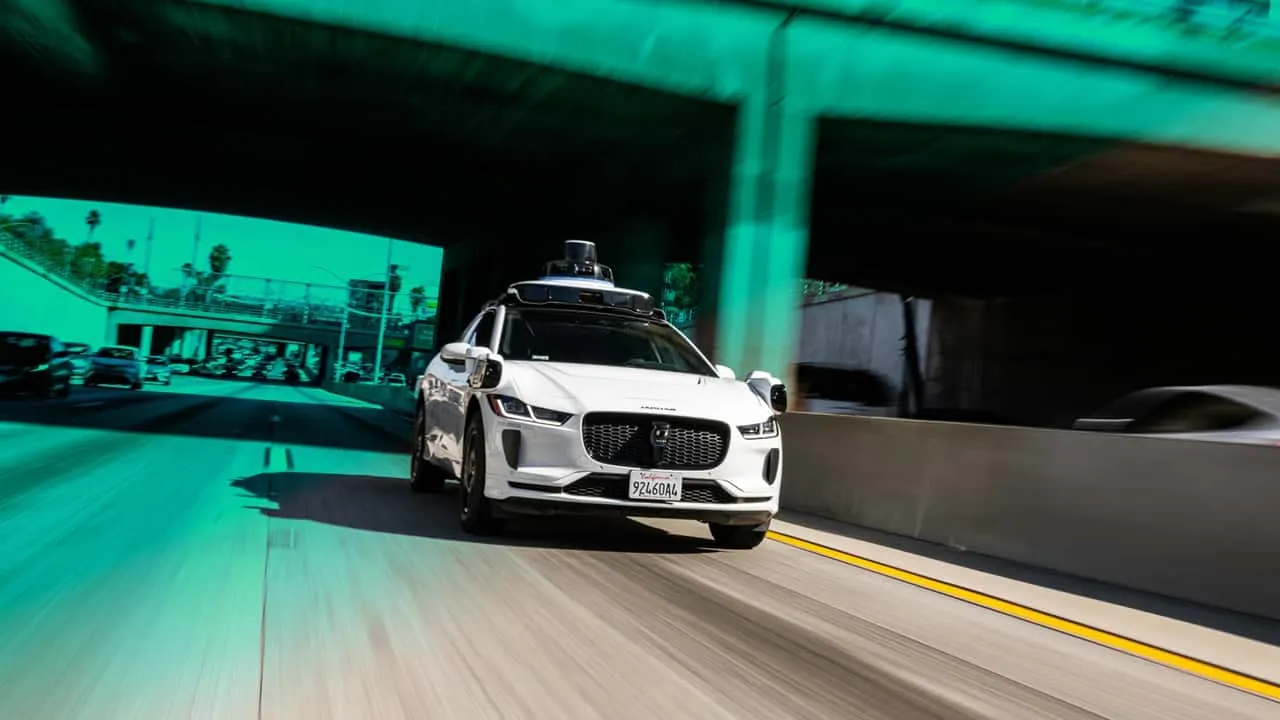
A separate incident didn't trigger the ban but didn't help. Last week a driverless Waymo Jaguar I-Pace was filmed on I-280 in California trying to overtake a California Highway Patrol traffic break. Officers had slowed traffic with two patrol cars to clear debris. Every human-driven car stayed behind them. The Waymo sped up the passing lane and was stopped by the officer driving.
What this means for Waymo
The timing is awkward. Waymo runs in 15 U.S. cities and has offered driverless freeway rides in California since last November. Earlier this month, the National Highway Traffic Safety Administration opened an investigation into a software fix meant to stop its robotaxis from passing stopped school buses.
Waymo's fifth- and sixth-generation vehicles use lidar, cameras and radar to drive in pre-mapped areas. The company says the system has multiple redundancies and that its cars are 95% safer than human drivers when it comes to crashes causing serious injury or worse.
Apps worth a look
SUMO: the number puzzleTap the right tiles, add them up, hit the target. Easy to learn, hard to master. Free, for all ages.
Dialo: learn languages by speakingTalk to an AI conversation partner; every sentence comes back corrected and explained in your language. 9 languages, A1 to C2.
ediviewer: read EDI files like documentsOpen EDIFACT and X12 messages, see every segment explained, convert to JSON/XML, export PDF and Excel. Runs locally, no upload.
giftdetect: the right gift in minutesPick who it is for, the occasion and their personality. The search engine reads product descriptions from local shops and ranks what fits. Free, no sign-up.
More from this day
See all →
Nudify apps: senators press Apple, Google and Meta for answers

Palmer Luckey's SLAB seastead: a floating city built to last 1,000 years

Ledger wallet tampering probe: Berlin buyers told to contact support
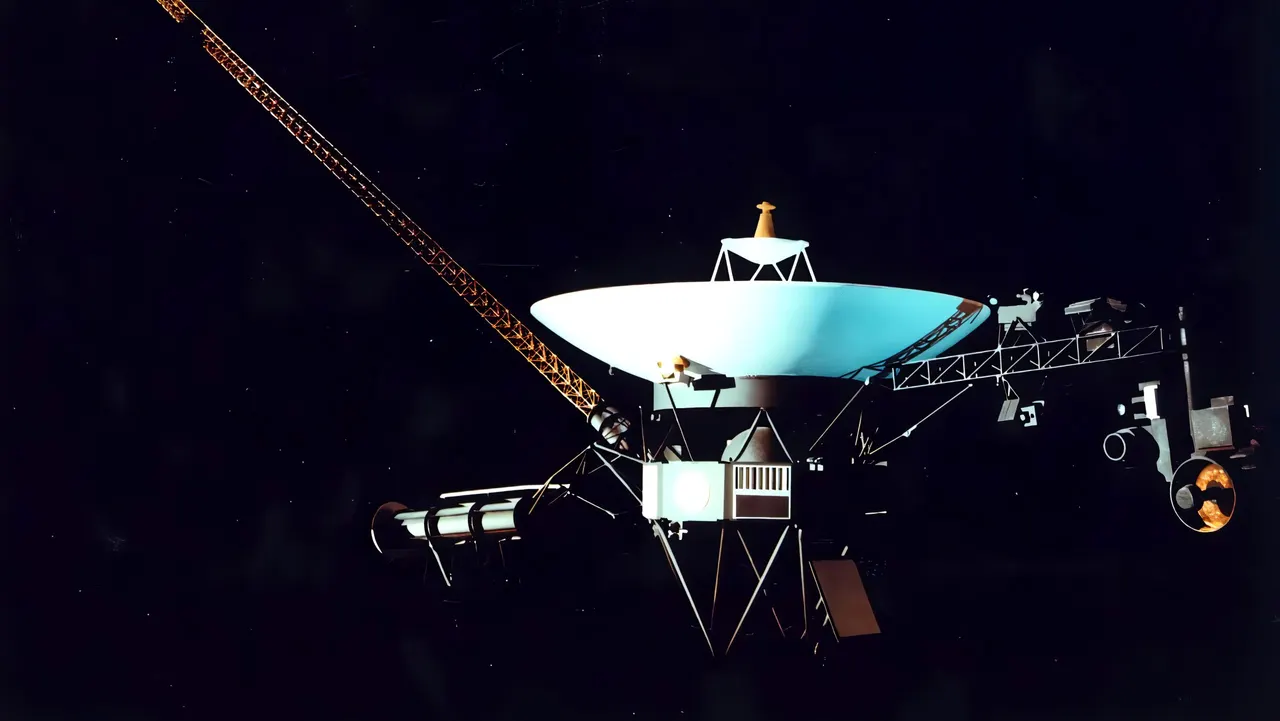
Voyager 1 is now one light-day from Earth, a first for any human-made object
More in: Automotive
See all →
Waymo freeway ban: robotaxis off California highways
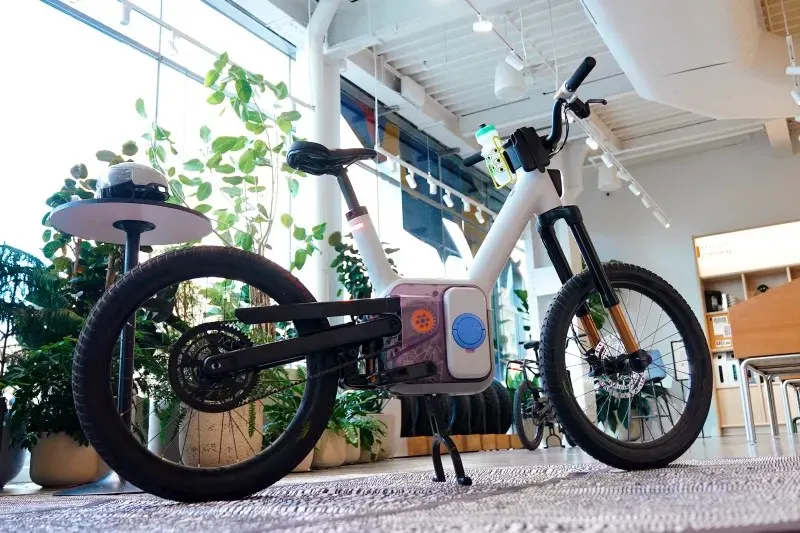
Also TM-B e-bike deliveries paused over battery drain bugs
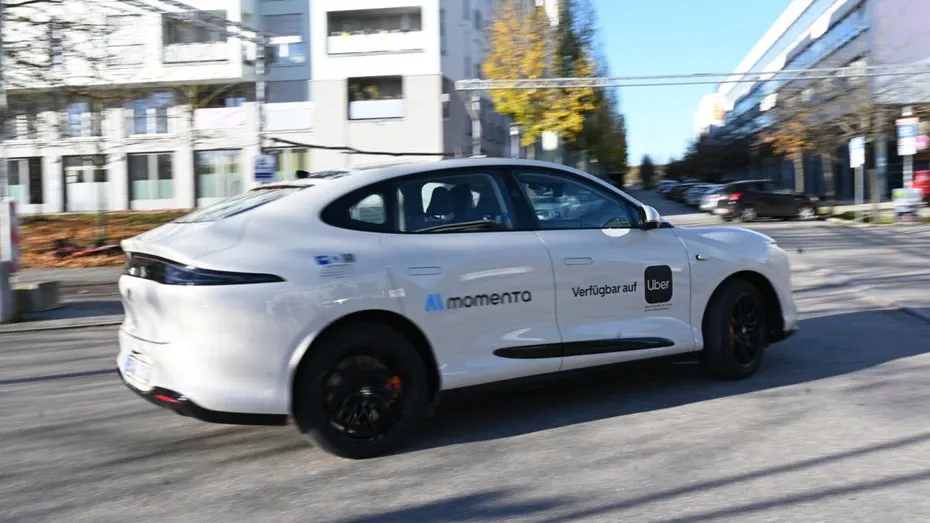
Uber robotaxi in Munich: how to ride a self-driving car now