US Air Force Cloud One breach: hackers reached the control plane
Hackers got into Cloud One, the platform that runs Air Force pay, logistics and air defence data. One source compared their access to a universal remote.
 SUMO· the number puzzle
 Dialo· learn languages by speaking
 ediviewer· read EDI files like documents
 giftdetect· the right gift in minutes
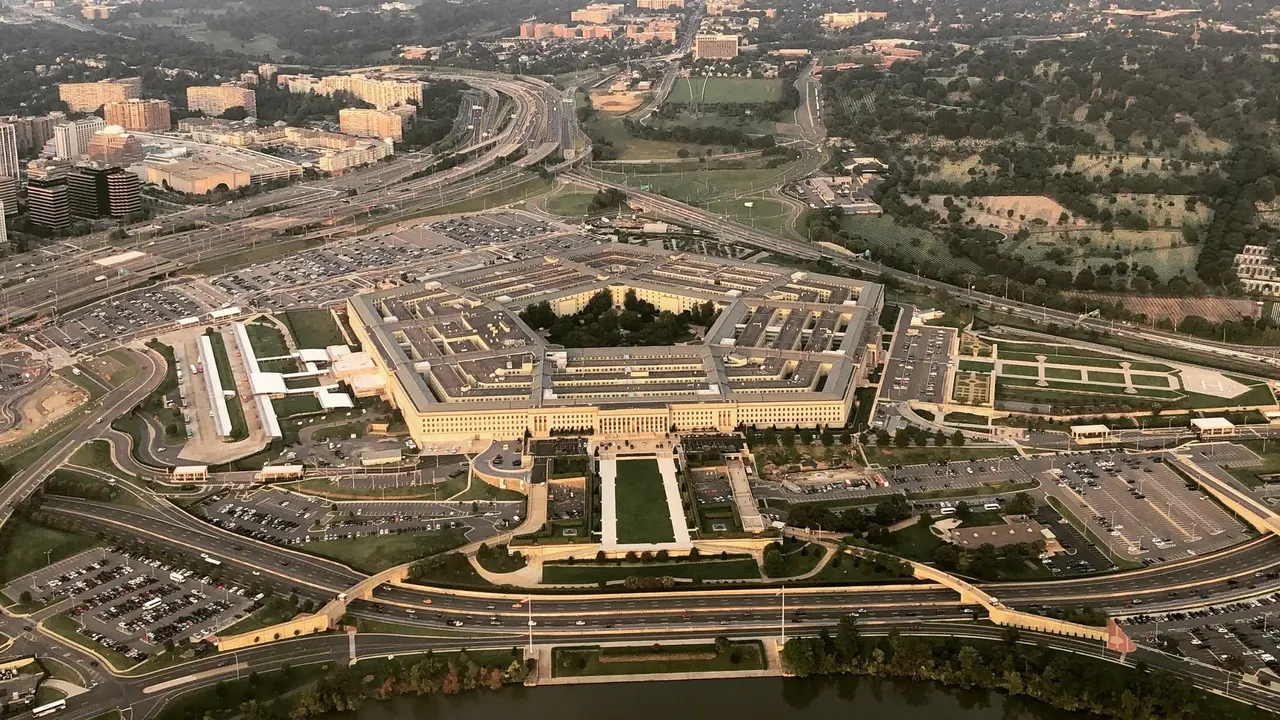
Hackers have broken into Cloud One, the US Air Force's main cloud computing platform, according to three people familiar with the matter. The platform holds everything from personnel records to logistics and tactical data, so the stakes are high.
Two of the sources said the intrusion came to light in the past month or so, while the system was being upgraded. Nobody has established who is behind it, how far it reached or whether any data was stolen. "A breach here is a big deal," one source said.
How did the Cloud One hackers get in?
According to another source, the attackers used a software flaw to reach the control plane, the layer that manages the whole platform. That person compared the access to a universal remote. In theory it could reveal the status of military aircraft or the movement of spare parts, though it is unclear whether the hackers used it that way.
The fallout is already visible. Work to move the Air Force's back-office applications onto Cloud One has been paused, and updates to applications already running there are blocked, so staff cannot install fixes for newly disclosed flaws. A fifth person said some users lost their administrator rights. US Cyber Command has reportedly been brought in to assess the damage.
What is Cloud One?
The Air Force launched Cloud One in 2017 as a single home for its IT, built on cloud services from Microsoft, Amazon, Oracle and Google. Scores of applications run on it, covering pay, personnel, logistics and maintenance. One of them combines air defence radar feeds from across North America. Another tracks bombs and missiles at more than 200 Air Force sites worldwide.
SAIC ran the platform as prime contractor until Leidos took over under a $454.9M task order awarded in December 2025.
The breach follows a run of incidents at US government bodies. This week hackers hit a system used by several spy agencies, and in October a Homeland Security leak exposed 41,000 staff. The Air Force would only say it does not comment on the security posture, vulnerabilities or operational status of specific networks and systems.
Apps worth a look
SUMO: the number puzzleTap the right tiles, add them up, hit the target. Easy to learn, hard to master. Free, for all ages.
Dialo: learn languages by speakingTalk to an AI conversation partner; every sentence comes back corrected and explained in your language. 9 languages, A1 to C2.
ediviewer: read EDI files like documentsOpen EDIFACT and X12 messages, see every segment explained, convert to JSON/XML, export PDF and Excel. Runs locally, no upload.
giftdetect: the right gift in minutesPick who it is for, the occasion and their personality. The search engine reads product descriptions from local shops and ranks what fits. Free, no sign-up.
More from this day
See all →
Binance withdrawals fully reopen four weeks after $6.4B hack

Russia's video game rental certificate plan could push the market into the grey zone

Putin wants an AI choice screen on every smartphone in Russia

Yandex humanoid robot delivery: androids to carry orders to the door
More in: Security
See all →
Danawa down for a second day after a suspected breach
DWP cyber incident: UK benefits services pulled offline