TÜV report: Tesla Model Y sets a record for defects since 2015
Germany's TÜV report puts three electric cars at the bottom of its ranking. The Tesla Model Y hit 18.5 percent defects, the worst last-place result since 2015.
 SUMO· the number puzzle
 Dialo· learn languages by speaking
 ediviewer· read EDI files like documents
 giftdetect· the right gift in minutes
Germany's yearly TÜV report has a bad result for electric cars. Three of them sit at the bottom of the defect ranking, and the Tesla Model Y did worse than any last-placed car since 2015.
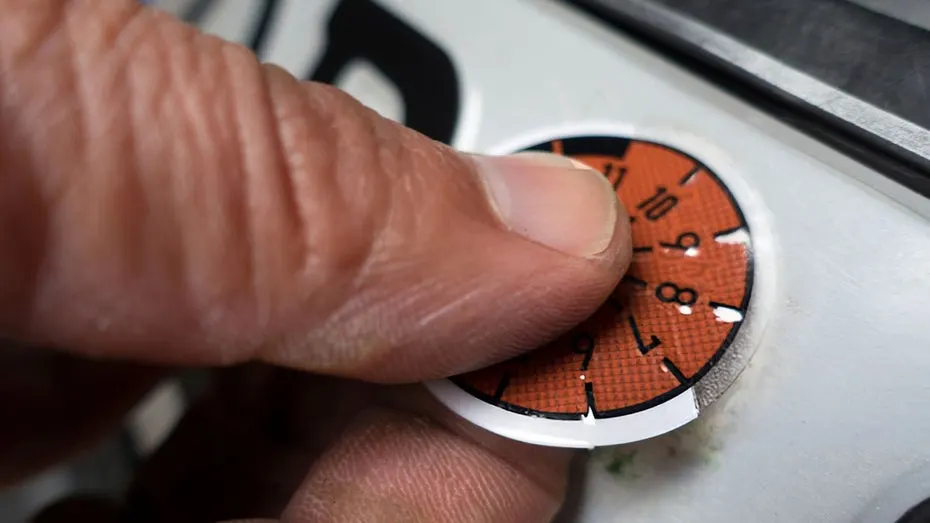
The TÜV, which runs Germany's mandatory vehicle inspections (the Hauptuntersuchung, or HU), analysed data from almost ten million inspections. They covered about 200 models in six age groups. Nearly one in three cars had defects. Around one in five had to go to a garage and repeat the inspection.
The rate of significant defects is 20.9 percent, slightly down from 21.5 percent a year earlier. Typical findings on older cars are faulty low-beam or rear lights, oil leaks from the engine or gearbox, damaged axle suspension and worn brake discs.
Why do electric cars fail the TÜV inspection?
The same problems hit combustion cars and EVs, but on electric cars the brakes usually come first. According to the TÜV, regenerative braking, where the motor slows the car and recovers energy, means the mechanical brakes are used less often. That encourages corrosion. EVs are also heavier, which puts more strain on components.
In the list of cars with the fewest defects, the first EV shows up only in third place. At the other end, the Tesla Model 3, the MG4 and the Tesla Model Y all land among the worst. The Model Y reaches 18.5 percent, the highest share among last-placed cars since 2015.
What does the TÜV want to change?
The association wants deeper inspections. Managing director Joachim Bühler says vehicle technology has changed fundamentally and the HU has to keep up, because sensors, software and electronic controls now help decide whether a car is safe. Inspectors need access to vehicle data, he says, and manufacturers should not alone decide what information is available.
For EVs, high-voltage batteries currently get only a visual check. The TÜV wants tests of the high-voltage system's electrical safety, its insulation resistance and its potential equalisation.
Apps worth a look
SUMO: the number puzzleTap the right tiles, add them up, hit the target. Easy to learn, hard to master. Free, for all ages.
Dialo: learn languages by speakingTalk to an AI conversation partner; every sentence comes back corrected and explained in your language. 9 languages, A1 to C2.
ediviewer: read EDI files like documentsOpen EDIFACT and X12 messages, see every segment explained, convert to JSON/XML, export PDF and Excel. Runs locally, no upload.
giftdetect: the right gift in minutesPick who it is for, the occasion and their personality. The search engine reads product descriptions from local shops and ranks what fits. Free, no sign-up.
More from this day
See all →



More in: Automotive
See all →
Aptera solar car: first customer vehicle built, in matte black
Tesla FSD approved in Italy, the 12th EU country to say yes

Blue boxes on French roads: what they are and who will pay