Telegram scam group hid its name with invisible U+2062 characters
A researcher was added to a 1,670-member Telegram group, typed one word, and had his account frozen. Then he exported the chat and found how the scam dodged filters.
 SUMO· the number puzzle
 Dialo· learn languages by speaking
 ediviewer· read EDI files like documents
 giftdetect· the right gift in minutes
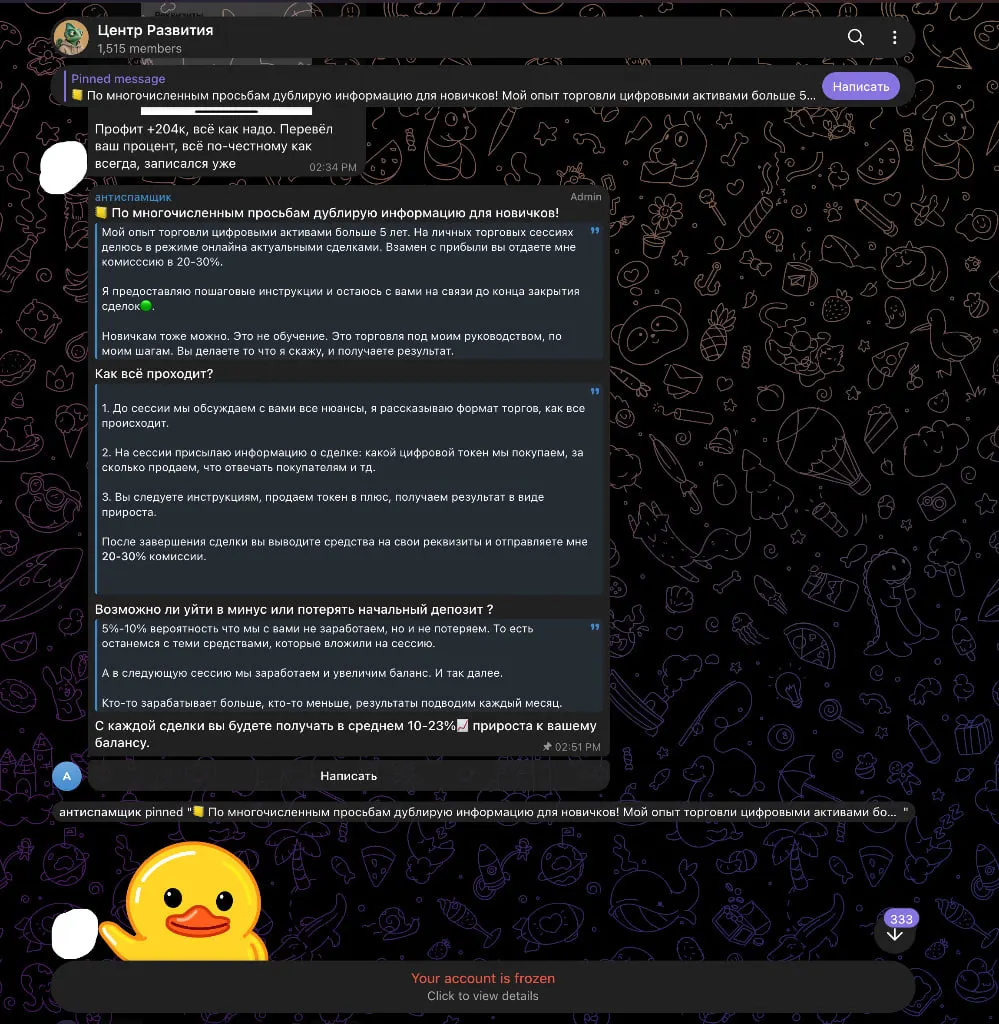
A Telegram account was added without consent to a private supergroup of about 1,670 people. Its owner posted a single word, "scamina", and soon the account landed in Account Frozen status. That is how a Telegram scam group got dissected, and the way it hid itself is the interesting part.
The events date to 14 November 2026. The first appeal to @SpamBot was rejected in exactly 159 seconds. A second one, five days later, took about a minute. Because the desktop client stayed in read-only mode, the author could still export the group history as a result.json file. He then walked the whole funnel from an empty test profile, up to being handed a crypto wallet and a bank card number. He did not send any money.
How the group dodged spam filters
The export metadata shows the group was created at 00:06:32 on 14 November, a few hours before the mass invite, under a random name: mvitrmviom. A private group with a dull technical name is less likely to catch automatic moderation. Later it was renamed to something that reads as "Центр Развития" (Development Center) but isn't, quite.
The title mixes two tricks. Some Cyrillic letters are swapped for lookalikes from the Phonetic Extensions blocks, and invisible format characters are slipped in. Five unique odd code points turned up, seven occurrences in all. One is U+2062, the "invisible times" sign meant for maths such as mc². Many homemade filters strip U+200B but miss the U+2060 to U+2064 range.
Standard Unicode NFKC normalization doesn't fix this. Invisible format characters have no compatibility decomposition, and the lookalike letters are independent letters, so a test like normalize("NFKC", s) == s still returns True. The author suggests two steps: strip the invisible characters from a search copy of the text, then map lookalikes using the confusables table from UTS #39. A simple detector alone would be too crude, since emoji and Persian text legitimately use such characters.
What happened inside the chat
Only five of the roughly 1,670 members ever wrote anything, about half an hour apart. They traded scripted tales of "winning trading sessions". A pinned post promised 10 to 23% balance growth per deal, in exchange for a 20 to 30% commission to a "mentor".
The pinned text even carries a typo, "комисссию" with three s. The rest of the members stayed silent.
Apps worth a look
SUMO: the number puzzleTap the right tiles, add them up, hit the target. Easy to learn, hard to master. Free, for all ages.
Dialo: learn languages by speakingTalk to an AI conversation partner; every sentence comes back corrected and explained in your language. 9 languages, A1 to C2.
ediviewer: read EDI files like documentsOpen EDIFACT and X12 messages, see every segment explained, convert to JSON/XML, export PDF and Excel. Runs locally, no upload.
giftdetect: the right gift in minutesPick who it is for, the occasion and their personality. The search engine reads product descriptions from local shops and ranks what fits. Free, no sign-up.
More from this day
See all →
SAKULaLa face payment starts in Fukuoka, a first in western Japan
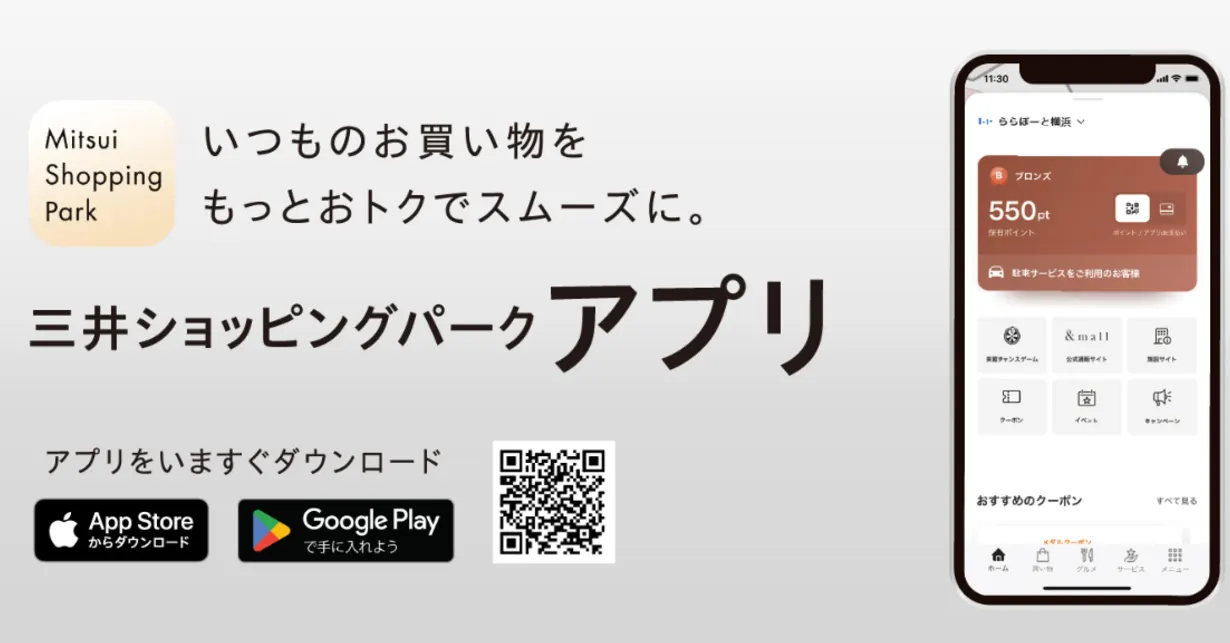
Mitsui Shopping Park app breach exposes 3.12 million members
MousePods lets you move a Linux cursor with AirPods 3