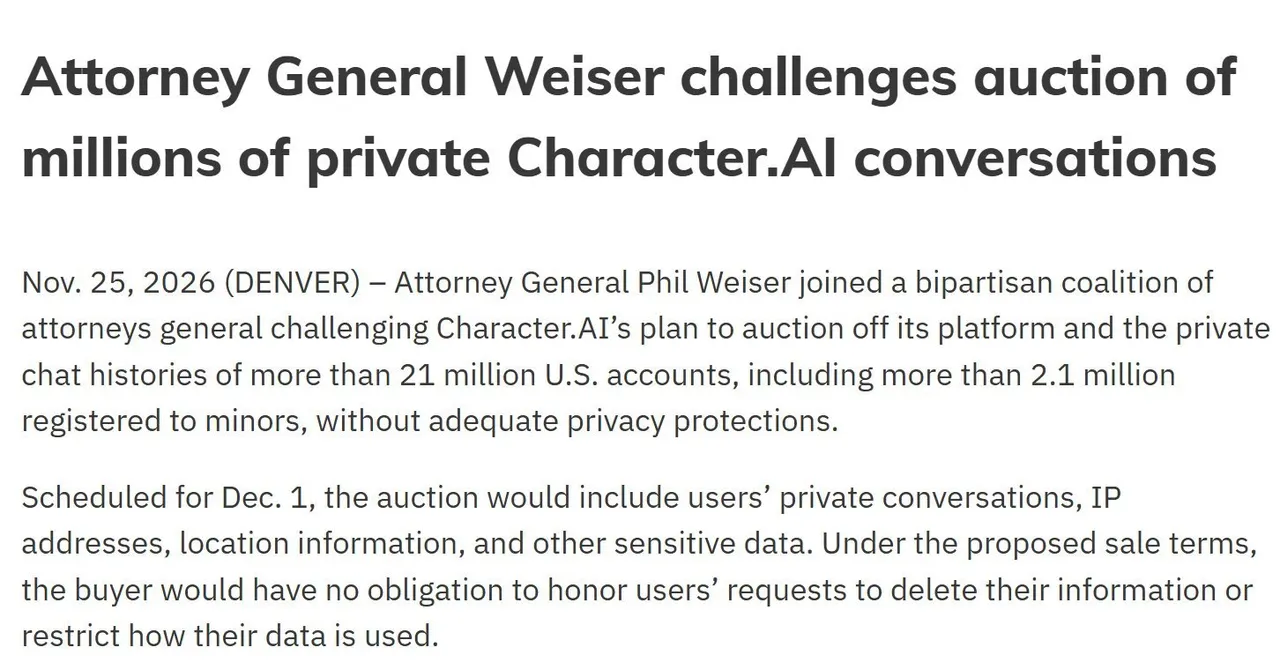
Spirit Airlines data sale to Google: how unions forced new limits
A bankruptcy judge let Google buy Spirit Airlines' internal data for $10 million, but only after unions forced it to drop medical and disciplinary records.

 SUMO· the number puzzle
 Dialo· learn languages by speaking
 ediviewer· read EDI files like documents
 giftdetect· the right gift in minutes
When Spirit Airlines collapsed, its emails, Teams chats and employment contracts went up for sale. On November 17, bankruptcy judge Sean Lane approved the Spirit Airlines data sale to Google, ending a months-long fight over what happens to employees' records when a company dies.
Spirit shut down in May. Google then bid $10 million for the airline's internal data, to be used for AI training and product development. The pile included emails, Microsoft Teams chats, productivity data and employment contracts. The first version of the sale also covered disciplinary records and reports filed through confidential aviation safety programs.
Sara Nelson, president of the Association of Flight Attendants-CWA (AFA), says she heard about it on a "sleepy August Friday." The union was stuck: members needed Spirit to sell assets so creditors, including staff still owed money, could be paid. But they didn't want their data handed to a tech giant. The AFA and six other unions objected, which delayed the sale.
What did the unions get in the Spirit data deal?
Google agreed to exclude health and medical information, disciplinary records and alcohol testing records. It also agreed to stricter de-identification standards, including a ban on trying to re-identify people, with an independent verification agent checking compliance. The protections cover all former Spirit employees, union or not.
Nelson argues that safety reports only work because they are protected and anonymous. If that data could be sold, pilots at other airlines might stop filing them.
Is de-identified data really anonymous?
Not necessarily. Ifeoma Ajunwa, a law professor at Emory, says it is "very difficult to fully de-identify" data, and AI makes it easier to piece together who someone is. She points to a 2022 study in which a machine learning model matched people across separate pseudonymized phone datasets more than half the time.
The gap between workers and customers was visible in court. A privacy ombudsman concluded the risks to Spirit's 97 million customers were adequately handled, but noted in a footnote that employees were not investigated. Ajunwa says the US has no federal law limiting what employers can collect about workers, and wants one. Nelson says Congress is already talking with the union about state and federal rules.
It isn't new, either. Enron's employee emails were released by regulators and helped train the technology behind Apple's Siri. Bloomberg has reported that SpaceX is considering buying data from defunct startups.
Apps worth a look
SUMO: the number puzzleTap the right tiles, add them up, hit the target. Easy to learn, hard to master. Free, for all ages.
Dialo: learn languages by speakingTalk to an AI conversation partner; every sentence comes back corrected and explained in your language. 9 languages, A1 to C2.
ediviewer: read EDI files like documentsOpen EDIFACT and X12 messages, see every segment explained, convert to JSON/XML, export PDF and Excel. Runs locally, no upload.
giftdetect: the right gift in minutesPick who it is for, the occasion and their personality. The search engine reads product descriptions from local shops and ranks what fits. Free, no sign-up.
More from this day
See all →
Moonshot AI reportedly distills Google and Meta models now
WhatsApp travel eSIM: buy mobile data without leaving the app
Huawei convicted in US: a stolen T-Mobile robot and Iran sanctions