Russian website security audit: 1,000 sites, no hacking needed
A researcher checked 1,000 Russian-language sites and found unowned script domains, claimable subdomains and an SPF typo that opens 3.5 million sender addresses.
 SUMO· the number puzzle
 Dialo· learn languages by speaking
 ediviewer· read EDI files like documents
 giftdetect· the right gift in minutes
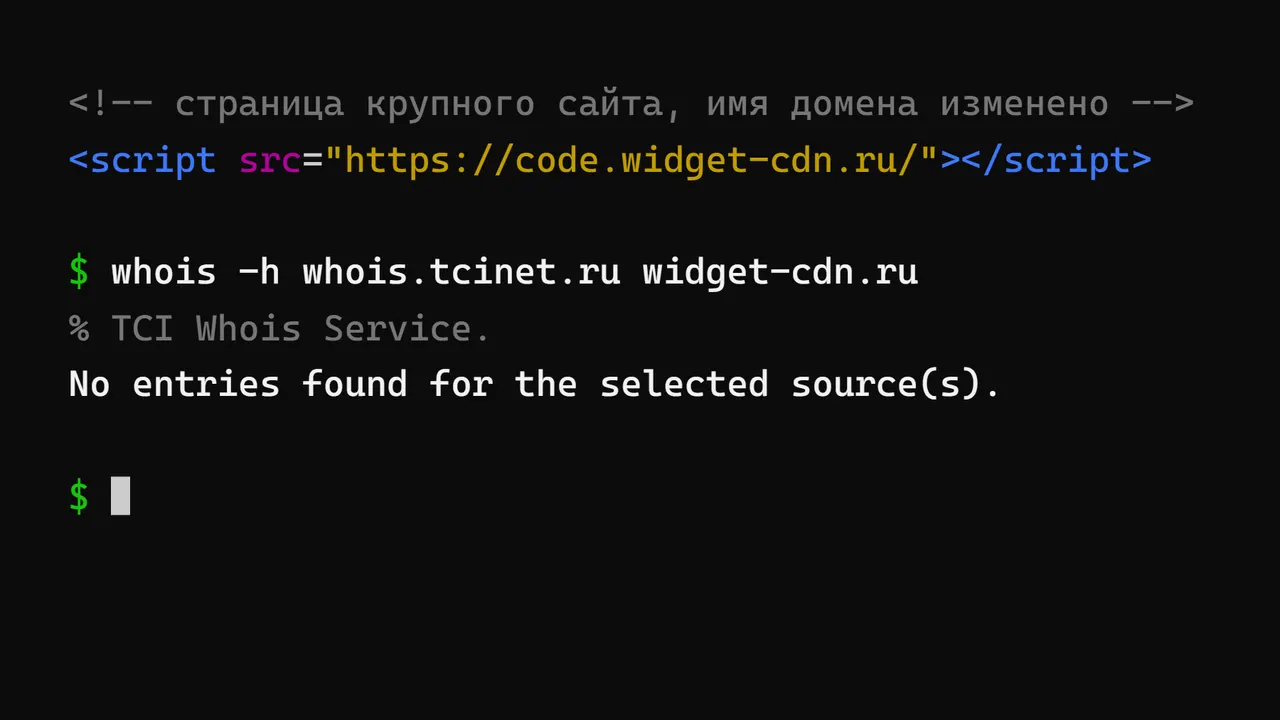
One big Russian website loads a script from a domain that nobody owns. Anyone who pays a few hundred rubles to register it can run their own code in the browser of every visitor to that page. The site itself never has to be hacked.
That is one finding from a new security audit of 1,000 sites from the top of the Tranco ranking in the .ru, .рф and .su zones. They include national media, regional portals, universities, government sites, shops and banks. The author, who published only aggregate numbers and no site names, got reports for 994 sites and opened 918 in a real browser. He only looked at what any visitor can see: pages, DNS, certificates and public registries. No port scans, no password guessing, no form submissions.
Forged emails and abandoned scripts
Two sites load scripts from unregistered domains, one in .ru and one in .com, both on inner pages. Such a script can read what visitors type and swap payment details. A proper Content Security Policy (CSP, a browser rule limiting where scripts may come from) would block that, but only 8 of 973 sites had a sound one. Usually it is leftover code from a closed counter or widget.
Email is worse. Mail can be forged in the name of 47% of the domains, against 24% among the large sites checked two weeks earlier. 228 sites also have order or payment forms, so a fake message with a link to a fake form would look genuine.
One company's SPF record, the list of addresses allowed to send its mail, probably contains a typo. Ten entries use the /32 mask, meaning one address each, and one uses /10, which is a block of about 4.2 million. Of those, 3,560,960 belong to Google Cloud, so anyone renting a virtual machine there could send mail that passes SPF and DMARC.
Which subdomains can be taken over?
Six subdomains point to cloud services where the target does not exist: three in Yandex Object Storage, and one each in Vercel, Netlify and Ghost. Whoever creates the missing bucket or project controls a page on a well-known site's subdomain. The author did not claim any. Another 23 sites point at cloud IP addresses where nothing answers.
Tracking before you click
A typical homepage sends the visitor's IP address to 8 third parties, news sites to 22, with a maximum of 39. Yandex learns about the visit on 88% of sites, Google on 57%, VK and Mail.ru on 55%. Meta services, which Russia classes as extremist, receive data on 37 sites.
To check your own domain's email protection, look up its DMARC record. p=reject is good, p=quarantine acceptable, and p=none or nothing means anyone can write in your name.
Apps worth a look
SUMO: the number puzzleTap the right tiles, add them up, hit the target. Easy to learn, hard to master. Free, for all ages.
Dialo: learn languages by speakingTalk to an AI conversation partner; every sentence comes back corrected and explained in your language. 9 languages, A1 to C2.
ediviewer: read EDI files like documentsOpen EDIFACT and X12 messages, see every segment explained, convert to JSON/XML, export PDF and Excel. Runs locally, no upload.
giftdetect: the right gift in minutesPick who it is for, the occasion and their personality. The search engine reads product descriptions from local shops and ranks what fits. Free, no sign-up.
More from this day
See all →
Nvidia driver SSD writes: hotfix 621.35 doesn't fix it for everyone
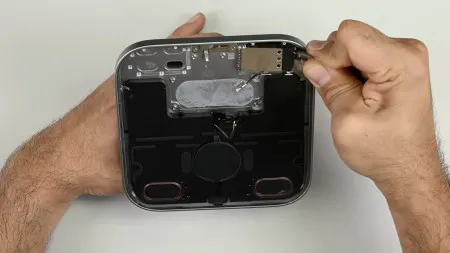
Apple HomeView teardown: repairability takes a step back

BYD Ti7 banned in the EU: court says it copies the Land Rover Defender

Drone delivery pilot job: what a Flytrex RPIC does in Dallas
More in: Security
See all →
Dutch regulator tells people not to buy AI camera glasses

WhatsApp Web warning: India says log out after every session

South Korea payment gateway breaches: NHN KCP, KIS, Welcome hit