Russia Weighs Blocking All SIM Cards of Flagged MAX Users
Digital Minister Maksut Shadaev suggested that a MAX account banned for fraud could lead to restrictions on all of its owner's phone numbers, plus a temporary ban on new SIM cards.
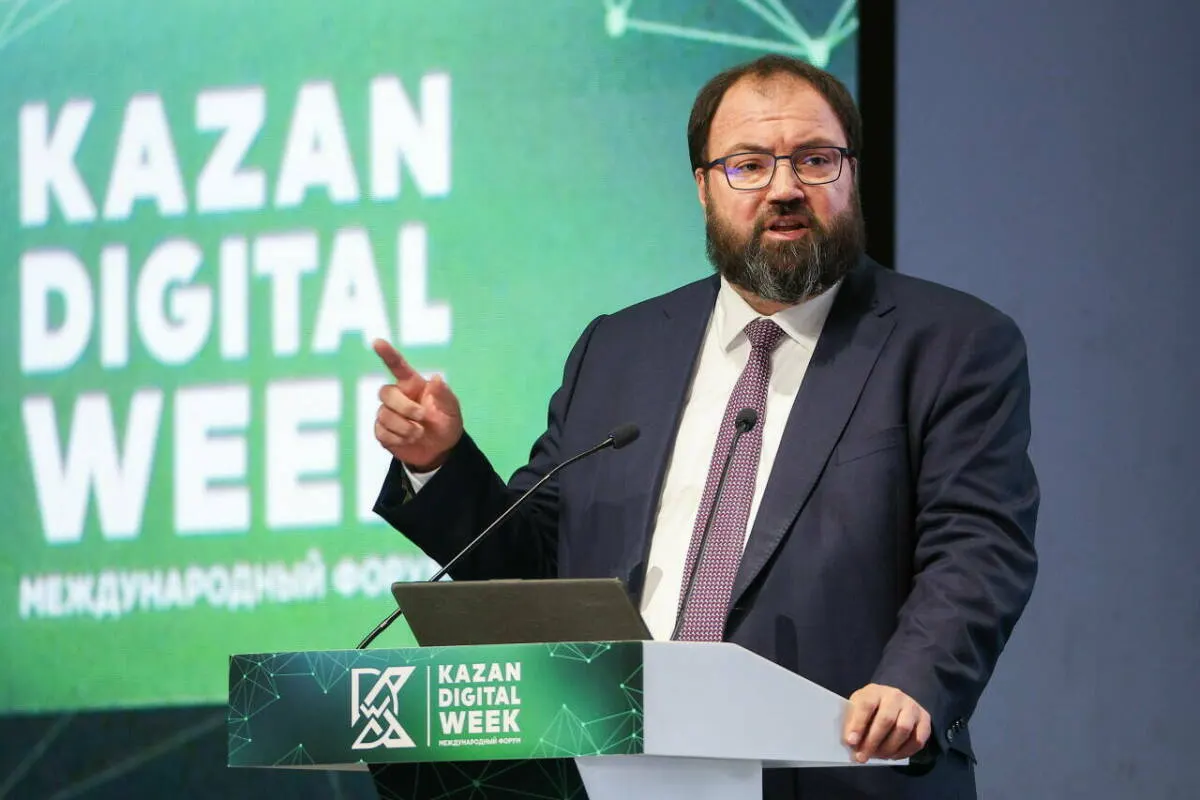
If the MAX messenger flags an account as fraudulent and blocks it, all phone numbers belonging to its owner could face restrictions too. Russia's Digital Minister Maksut Shadaev proposed considering this on 29 October at the Kazan Digital Week forum. He also floated a temporary ban on buying new SIM cards for such users.
At present, MAX detects suspected fraudulent activity on its own and blocks the accounts involved. According to Shadaev, that is not enough: a fraudster loses access to the messenger on one number but keeps mobile service. He suggested extending the restrictions to telecom operators, covering not just the SIM card in question but every SIM card registered to the same owner. The ministry is preparing the necessary regulatory framework, he said.
Many open questions
For now this is only a proposal, not an approved procedure. It is unclear who would make the final decision to cut service, what checks would be required, or how long the proposed "cooling-off period" for new SIM cards would last.
The scale of existing blocks is already large. VK head Vladimir Kiriyenko has said MAX blocked more than 4.5 million accounts classed as fraudulent over the past year. That figure does not show how many separate people are behind it, how many decisions were automated, or how many blocks were later found to be mistaken. The MAX user agreement allows access to be restricted even on suspicion of a violation.
Risks for innocent users
The stakes rise sharply when a block affects a SIM card rather than a chat account. A person whose account was hacked and used to send scam messages could lose calls, texts and mobile data, and with them access to banks, work systems and government services that use a phone number for login. MAX's own account recovery instructions even ask users to switch off Wi-Fi and use mobile data from the linked SIM, which would be impossible if service were suspended.
No procedure yet describes how mobile service would be restored after an error, how long it would take, or what happens to numbers registered to employers or sole proprietors.
The idea echoes the "Antifraud 3.0" draft published on 30 September, which proposes suspending numbers on information from the Interior Ministry or FSB, with possible limits on other numbers of the same subscriber. How Shadaev's proposal fits with that draft, and whether MAX could trigger restrictions at operators directly, remains unclear.
More from this day
See all →
Atomberg Gets SEBI Nod for IPO; Delhivery Posts Rs 41 Cr Profit
Apple and Alibaba to roll out Qwen-powered AI features in China

Anthropic may miss investment-grade credit rating after IPO

Privacy-Focused AI Startup Ollie to Shut Down in the US
More in: Security
See all →
Spain Tops Europe for Solar Systems Exposed to the Internet
AU Small Finance Bank Probes Salesforce Data Leak Claim

Android 'SMS of Death' Flaw Can Crash Phones With No Click