Russian Electronics Makers Ask to Delay December Tech Levy
Electronics producers and importers have asked Russia's government to postpone the technology levy due on 1 December 2026, saying the rules and IT systems are not ready.
 SUMO· the number puzzle
 Dialo· learn languages by speaking
 ediviewer· read EDI files like documents
 giftdetect· the right gift in minutes
Producers and importers of electronics have asked the Russian government to postpone the technology levy scheduled to take effect on 1 December 2026. The request comes in a letter from RATEK, the association of electronics trading companies and manufacturers, which says businesses cannot prepare in time.
According to the letter, sent on 10 November to Prime Minister Mikhail Mishustin, association president Alexander Onishchuk wants the start date moved until the regulatory and technical groundwork is complete. RATEK points out that the rules for calculating and paying the levy have still not been approved, and that the state information systems involved have not been tested for correct operation.
What the levy costs
On 16 October 2026 the Ministry of Industry and Trade approved the list of electronics subject to the levy and the calculation method. It applies to laptops, smartphones and other telephones, and must be paid by legal entities and individual entrepreneurs.
For laptops the base rate is 746 rubles per unit. It falls to 500 rubles if the trademark and model are registered in the Chestny Znak labelling system, and rises to 992 rubles if they are not. For smartphones the base rate is 373 rubles, dropping to 250 rubles with the data in the system and rising to 496 rubles without it. The final amount can differ from the base rate by 33%.
Business says it lacks time
RATEK says producers and importers cannot yet adjust accounting systems, revise financial plans, amend supplier contracts or build cash reserves. The group warns of extra costs, disrupted production and possible supply delays. It also cites a 2 November opinion from the Ministry of Justice, which told the industry ministry that payers must be given a reasonable period to adapt.
According to RATEK, the Ministry of Industry and Trade replied that the mechanism had already been trialled and that the industry had enough time. The law was signed in 2025 and originally was to start on 1 September 2026, before being moved to 1 December at industry request. Revenue is to go to a unified microelectronics company that will be created on the basis of Sber.
Apps worth a look
SUMO: the number puzzleTap the right tiles, add them up, hit the target. Easy to learn, hard to master. Free, for all ages.
Dialo: learn languages by speakingTalk to an AI conversation partner; every sentence comes back corrected and explained in your language. 9 languages, A1 to C2.
ediviewer: read EDI files like documentsOpen EDIFACT and X12 messages, see every segment explained, convert to JSON/XML, export PDF and Excel. Runs locally, no upload.
giftdetect: the right gift in minutesPick who it is for, the occasion and their personality. The search engine reads product descriptions from local shops and ranks what fits. Free, no sign-up.
More from this day
See all →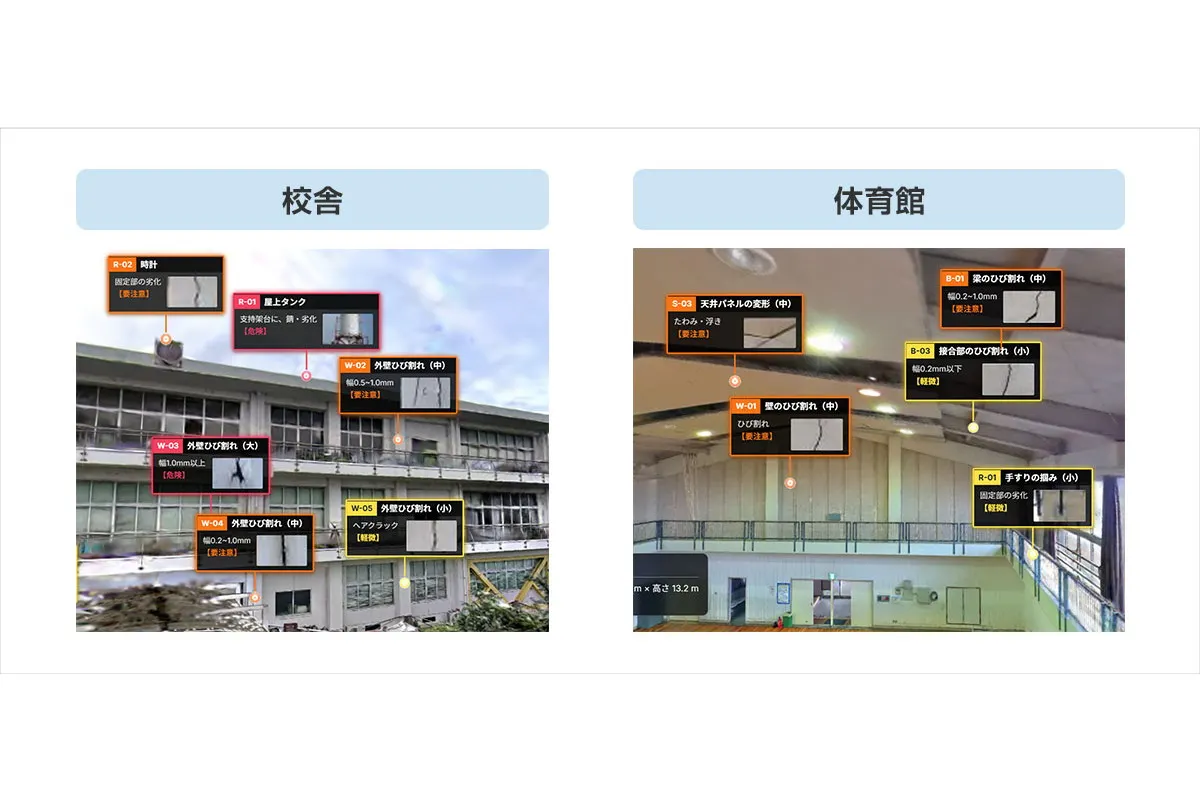
SoftBank Tests Remote Post-Quake Building Checks With Digital Twins

Mitsubishi Electric and KDDI Build Antenna From Tap Water

Moscow Court Fines Google 3.8 Million Rubles Over Banned Content