Plurai Raises $13M to Make AI Agents Reliable With Simulation
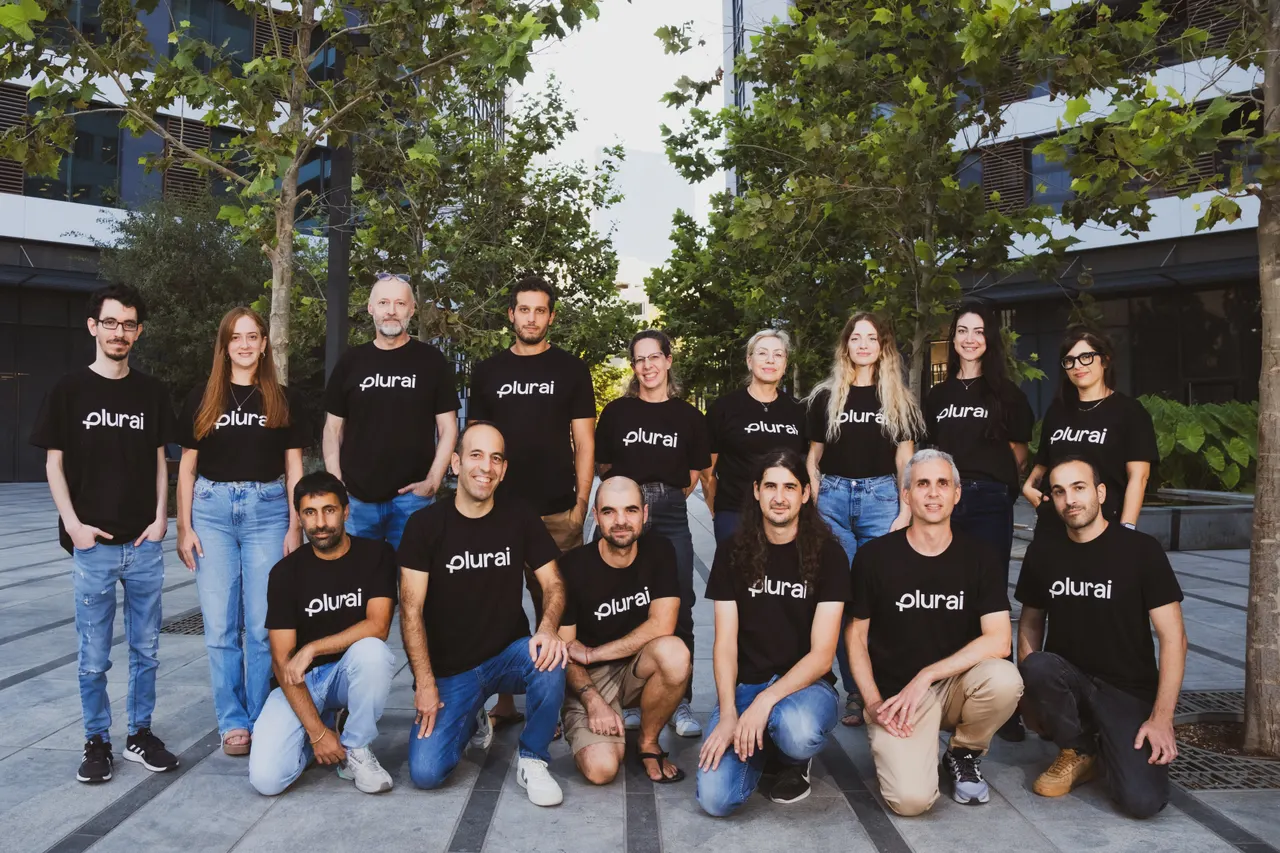
Plurai, founded by ex-Nexar engineers, borrows self-driving car testing to make AI agents more reliable and cheaper, and has raised $13 million in seed funding.
 SUMO· the number puzzle
 Dialo· learn languages by speaking
 ediviewer· read EDI files like documents
 giftdetect· the right gift in minutes
Plurai, a startup that wants to make AI agents more dependable, said on Wednesday it has raised $13 million in seed funding. Team8 led the round, with participation from U&I, Velocity and Mercer.
The company applies a method from autonomous driving: testing in simulations built on synthetic data, so models can be prepared for difficult edge cases. Co-founders Ilan Kadar and Elad Levi previously worked at Nexar, a developer of autonomous driving technology, and Kadar worked with Waymo to simulate and evaluate its end-to-end deep learning driving software.
Why agents still need supervision
Benchmarks show agents are not yet reliable enough to work unsupervised. LiveBench 2.0 has Claude Fable 5.2 and ChatGPT-6 Astra completing 82.9 and 75.6 out of 100 tasks respectively, while a test by AI infrastructure company EON in a simulated corporate environment found the best model, Claude Opus 4.8, reached 76.8% accuracy.
Kadar describes agents as probabilistic systems operating in unpredictable environments, much like driving models. Travel-booking agents can ignore spending policies under customer pressure, combining multiple data sets tends to trip them up, and long customer-service conversations can overload them with context.
Plurai builds a digital twin of a company's electronic systems, including the knowledge base and tools an agent uses in production. It maps all possible agent flows and uses that graph to prepare the model with evaluations and fixes. The platform works alongside Claude Code, Codex, Copilot and Cursor.
Smaller models, lower costs
Kadar says the bigger promise is using the collected data to post-train small, open-weight models for individual customers. In tests with Nvidia and Nebius, Plurai's models outperformed mid-tier frontier models at lower cost. He claims quality equal to or better than frontier models with a cost reduction of one to two orders of magnitude.
Google DeepMind researcher Reah Miyara, an angel investor in Plurai, says IT leaders find frontier models poorly matched to their own data and too costly long term. Kadar adds that however smart models from OpenAI and Anthropic become, "they will not know your business and your policy."
Apps worth a look
SUMO: the number puzzleTap the right tiles, add them up, hit the target. Easy to learn, hard to master. Free, for all ages.
Dialo: learn languages by speakingTalk to an AI conversation partner; every sentence comes back corrected and explained in your language. 9 languages, A1 to C2.
ediviewer: read EDI files like documentsOpen EDIFACT and X12 messages, see every segment explained, convert to JSON/XML, export PDF and Excel. Runs locally, no upload.
giftdetect: the right gift in minutesPick who it is for, the occasion and their personality. The search engine reads product descriptions from local shops and ranks what fits. Free, no sign-up.
More from this day
See all →
Unacademy CEO Gaurav Munjal Steps Down After upGrad Deal

CERT-In Urges Chrome Users in India to Update Over Security Flaws

eMudhra Report: Faulty Python Script Weakened Private Keys

Proximal Ventures Raises $27.5M Debut Fund for AI Drug Startups
More in: AI
See all →
Adobe Firefly AI Assistant Gets Always-On Background Agents

LINE Yahoo Launches Agent i as a Standalone AI Agent App on iOS
DeepL unveils Aure, an AI model for expressive synthetic voices