OpenSSH and musl flaw lets attackers log in to Alpine Linux
A ten-year-old bug in how OpenSSH works with the musl C library lets attackers log in to locked accounts with any password of 257 to 1,024 characters.

 SUMO· the number puzzle
 Dialo· learn languages by speaking
 ediviewer· read EDI files like documents
 giftdetect· the right gift in minutes
A newly disclosed vulnerability in the interaction between OpenSSH and musl, a C library, allows an attacker to log in to a locked account using any password between 257 and 1,024 characters. The flaw affects the default configuration of Alpine Linux, a distribution widely used in the cloud and in Docker images.
The bug comes shortly after the PHP flaw that knocked out a large number of web servers, and it again hits a foundational piece of infrastructure: SSH, the protocol used to connect to remote machines from the command line.
How the bypass works
In simplified terms, a password of that length triggers an error that returns the character "*" to the system. That character is also the marker used for accounts that do not rely on a password, so the login is validated. Other conditions must be met, including a password hashed with SHA256 or SHA512, but these are common on Alpine-based systems.
Other systems built on the same components may also be exposed, such as OpenWrt for routers, and Buildroot and Yocto for connected devices.
The flaw is easy to exploit. Few machines are vulnerable, but it is simple to find those exposing their SSH port to the internet and send them an overly long password. A single connection is enough to tell whether access opens.
Found after ten years
Present since 2016, the bug went unnoticed for a decade until Özgün Kültekin, a researcher at Wakefield, found it with the help of a swarm of AI agents. He compiled sshd in every possible configuration, with glibc and musl, with and without PAM, and then threw what he called "some 17,600 weird connections" at it: odd hashes, broken accounts and far-too-long passwords.
The developers of Alpine Linux and musl have already released a fix, and installing it quickly is strongly advised. If you are unsure whether your devices run Alpine Linux, the safest course is to update your Docker applications, NAS, connected TV or router to the latest system version.
Apps worth a look
SUMO: the number puzzleTap the right tiles, add them up, hit the target. Easy to learn, hard to master. Free, for all ages.
Dialo: learn languages by speakingTalk to an AI conversation partner; every sentence comes back corrected and explained in your language. 9 languages, A1 to C2.
ediviewer: read EDI files like documentsOpen EDIFACT and X12 messages, see every segment explained, convert to JSON/XML, export PDF and Excel. Runs locally, no upload.
giftdetect: the right gift in minutesPick who it is for, the occasion and their personality. The search engine reads product descriptions from local shops and ranks what fits. Free, no sign-up.
More from this day
See all →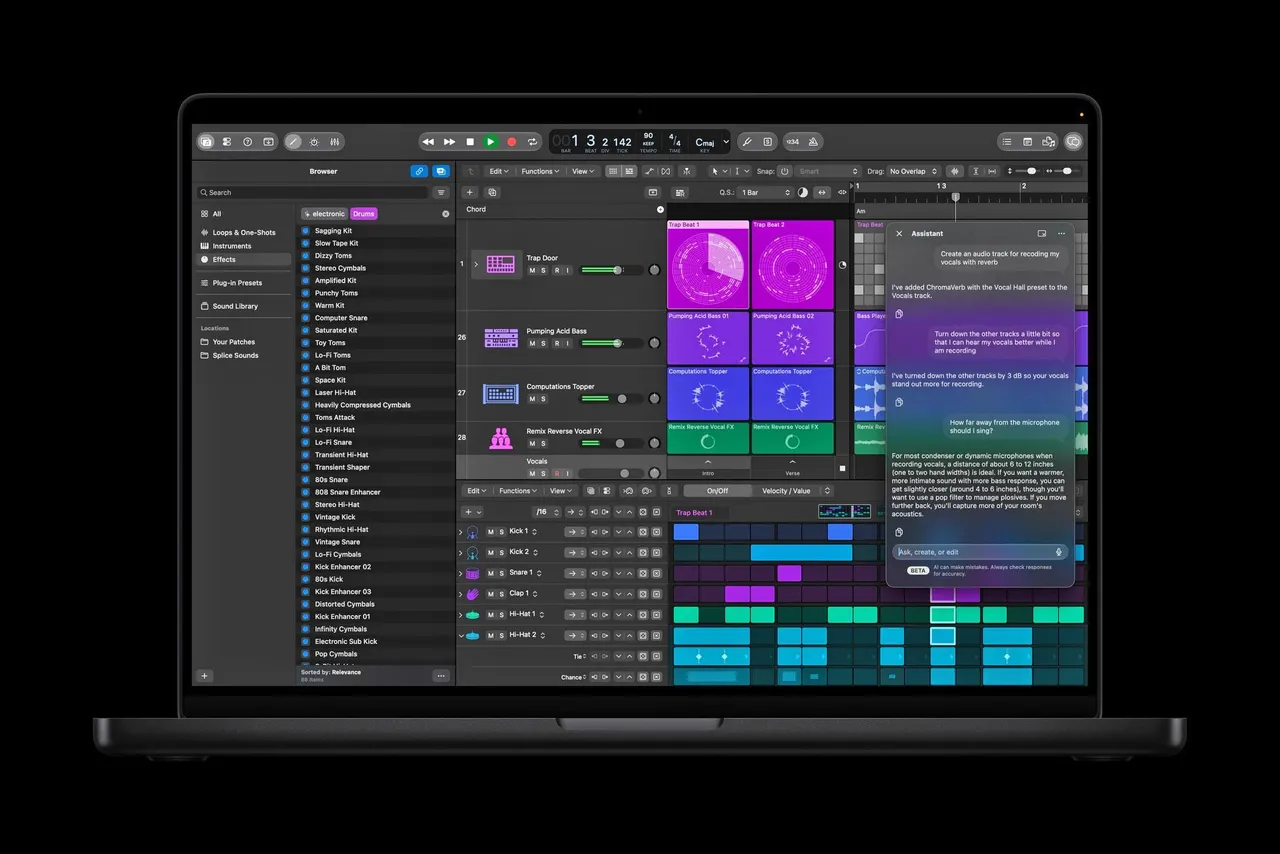
Apple Charges $49.99 for Intelligence Usage Packs in Logic Pro

Redalpine closes $250M RAC VIII fund for European startups

Valkyrie Dynamics Raises €1M for Drone Interceptor Radar

Red Hat launches OpenShift 5 with AI troubleshooting tools
More in: Security
See all →
iOS 27.2.1 Fixes Nine Flaws in iMessage, Bluetooth and AirPlay

South Korea's NIS to Cut Duplicate Security Product Testing

Anthropic Faces South Korean Probe Over Claude Account Leak