OpenAI Publishes 719 Math Papers by an Unreleased AI Model
OpenAI has released 719 documents on open math problems, produced by an unreleased model. Researchers are impressed, but some warn about what is lost along the way.
 SUMO· the number puzzle
 Dialo· learn languages by speaking
 ediviewer· read EDI files like documents
 giftdetect· the right gift in minutes
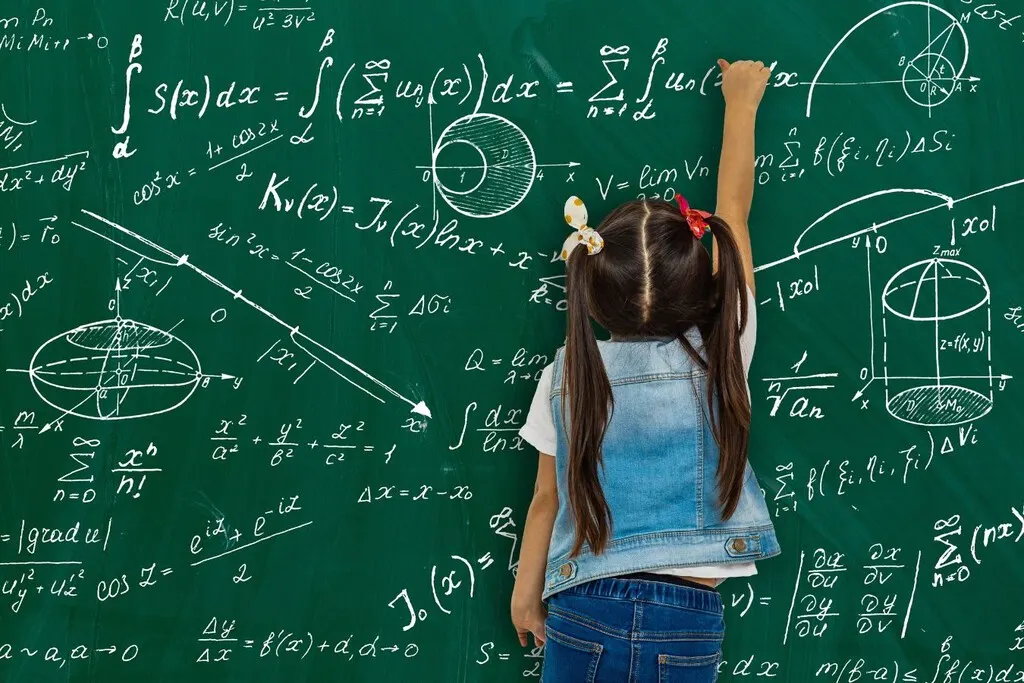
OpenAI has published 719 mathematical documents, grouped into 372 families of results, all generated by one of its most advanced AI models. Many of them address problems that had gone unsolved for years. The model behind the work is not yet available to the public.
The papers are hosted on GitHub and cover fields such as algebra, number theory and theoretical computer science. To produce them, OpenAI tested its system on roughly 4,000 open problems and devoted compute equivalent to about three hours of ChatGPT Pro to each result. Not every proof has been verified, and the company itself admits that some documents may contain errors.
Admiration and unease
The release follows OpenAI's September announcement of a solution to the Navier-Stokes problem, one of mathematics' great challenges. That work drew criticism from mathematician Tristan Buckmaster, who questioned how much earlier research contributed to the AI's result. This time, the company says it consulted an independent group of experts to improve how it shares discoveries.
Steven Kelk, associate professor of theoretical computer science at Maastricht University, told Dutch newspaper Volkskrant that he views the results with admiration. In his view, the AI may have delivered progress equivalent to ten or twenty years of research in one go. Yet he also described a «great sense of emptiness». For Kelk, research means making mistakes, collaborating and discovering new ideas along the way, and part of that experience disappears when a machine simply hands over the answer.
Terence Tao has also voiced concern about researchers who use AI without sufficiently understanding the results. The independent advisory group AGMAI has asked that such advances be shared transparently and help build human knowledge.
Funding for understanding
OpenAI announced a $5 million contribution to a Simons Foundation initiative that aims to help mathematicians study and understand AI-generated proofs. The effort suggests that checking and interpreting machine-made results may become as important as producing them.
Apps worth a look
SUMO: the number puzzleTap the right tiles, add them up, hit the target. Easy to learn, hard to master. Free, for all ages.
Dialo: learn languages by speakingTalk to an AI conversation partner; every sentence comes back corrected and explained in your language. 9 languages, A1 to C2.
ediviewer: read EDI files like documentsOpen EDIFACT and X12 messages, see every segment explained, convert to JSON/XML, export PDF and Excel. Runs locally, no upload.
giftdetect: the right gift in minutesPick who it is for, the occasion and their personality. The search engine reads product descriptions from local shops and ranks what fits. Free, no sign-up.
More from this day
See all →
Calogena wins €40 million EU grant for first commercial SMR
Windows 11 Registry Editor Gets a WinUI 3 Version as a Demo
JRH ASI to Finance Radar System Production for Ukrainian Partner