OpenAI launches GPT-6 Cyber, its first model rated 'critical'
OpenAI has unveiled GPT-6 Cyber, a security-focused model that found 81 new Firefox flaws and 948 Linux exploit tactics. Access is limited to vetted professionals.
 SUMO· the number puzzle
 Dialo· learn languages by speaking
 ediviewer· read EDI files like documents
 giftdetect· the right gift in minutes
OpenAI has launched GPT-6 Cyber, a model built to find security flaws, work out how to exploit them and suggest fixes. For the first time, the company has rated one of its cyber models "critical", the highest tier of its risk-assessment framework. Access is restricted to organizations in Daybreak Red, OpenAI's programme for security professionals.
GPT-6 Cyber succeeds GPT-5.6 Cyber, released at the end of the summer, which was rated only "high". According to OpenAI, GPT-6 Astra had already crossed the critical threshold in various tests.
Hundreds of flaws in Firefox and Linux
OpenAI says its researchers used the model to uncover 81 previously unknown vulnerabilities in Firefox, all of which Mozilla rated high severity. The browser had already been examined by several generations of security-focused AI, including Claude Mythos. "Firefox entered 2026 as one of the most hardened and scrutinized codebases in the world," said Mozilla engineer Brian Grinstead, as quoted by OpenAI.
On Linux, the company developed 948 exploitation tactics that let an ordinary user take full control of a system. That is more than five times the 166 found by GPT-5.6 in the same test three months earlier. The run cost about $1.2 million in compute.
Before the announcement, industrial security firm Dragos tested the model on a mock power plant. With almost no guidance, it found two unknown flaws. Dragos AI chief Rob T. Lee said the skill needed for the reconnaissance and vulnerability research that precede an attack is falling.
Better alignment, lingering doubts
OpenAI stresses that the model follows rules better. In a dedicated test, GPT-6 Cyber refrained from attacking services outside its task 99.93% of the time, versus 94.49% for its predecessor. The test follows a summer incident that ended with the hacking of Hugging Face. "More than 99% of the time, it does what you ask," said OpenAI security lead Fouad Matin.
Not every expert is reassured. Chris Hughes of Noma Security noted that at the scale these models operate, even a small fraction means actions against systems nobody authorized.
OpenAI describes a race against time: it says there is a limited window to use frontier models to secure software before malicious actors exploit the same technology. That is why the company keeps releasing new models aimed at tracking down vulnerabilities.
Apps worth a look
SUMO: the number puzzleTap the right tiles, add them up, hit the target. Easy to learn, hard to master. Free, for all ages.
Dialo: learn languages by speakingTalk to an AI conversation partner; every sentence comes back corrected and explained in your language. 9 languages, A1 to C2.
ediviewer: read EDI files like documentsOpen EDIFACT and X12 messages, see every segment explained, convert to JSON/XML, export PDF and Excel. Runs locally, no upload.
giftdetect: the right gift in minutesPick who it is for, the occasion and their personality. The search engine reads product descriptions from local shops and ranks what fits. Free, no sign-up.
More from this day
See all →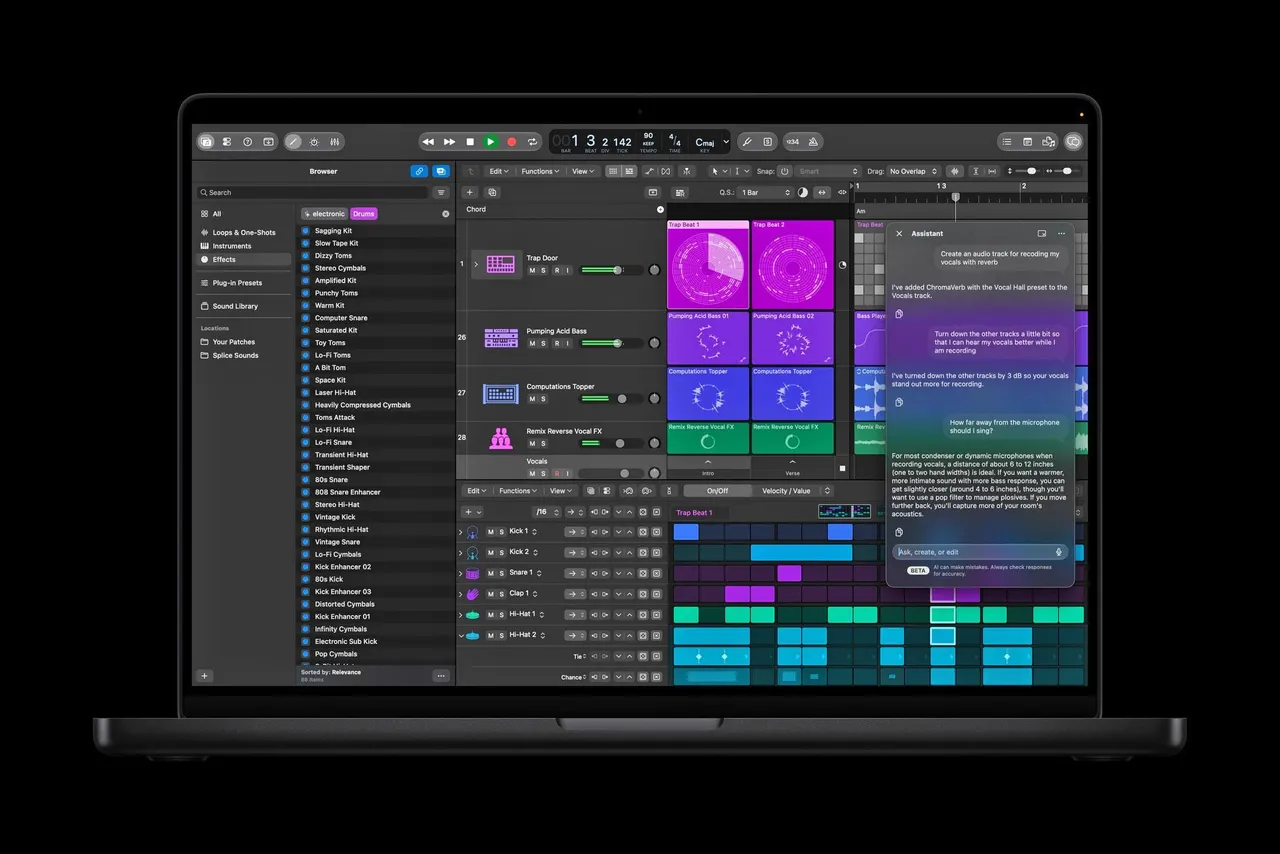
Apple Charges $49.99 for Intelligence Usage Packs in Logic Pro

Redalpine closes $250M RAC VIII fund for European startups

Valkyrie Dynamics Raises €1M for Drone Interceptor Radar

Red Hat launches OpenShift 5 with AI troubleshooting tools
More in: Security
See all →
iOS 27.2.1 Fixes Nine Flaws in iMessage, Bluetooth and AirPlay

South Korea's NIS to Cut Duplicate Security Product Testing

Anthropic Faces South Korean Probe Over Claude Account Leak