Nota Cuts GPUs Needed to Run Upstage's Solar Open 2 From 8 to 2
Nota says it has compressed Upstage's 250-billion-parameter Solar Open 2 so it runs on two Nvidia H100 GPUs instead of eight, cutting memory use by 76.5%.
 SUMO· the number puzzle
 Dialo· learn languages by speaking
 ediviewer· read EDI files like documents
 giftdetect· the right gift in minutes
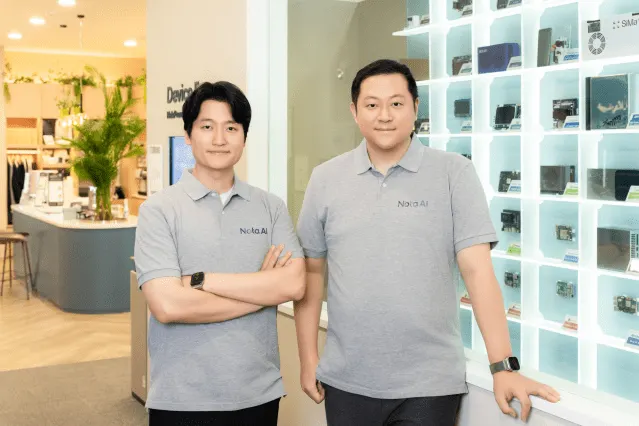
Korean AI optimization company Nota says it has developed a technique that lets a very large AI model run on a quarter of the GPUs it normally needs. The company announced on the 9th that it compressed Upstage's 250-billion-parameter model Solar Open 2 so it runs on two Nvidia H100 GPUs rather than eight.
The memory needed to store the model's weights fell 76.5%, from 500.6GB to 117.8GB. Nota combined quantization, which lowers the numerical precision of calculations, with pruning, which removes less important compute modules. The aim is to keep any loss in model performance to a minimum.
Kimi K3 and energy-saving inference
Nota also applied the approach to Moonshot AI's Kimi K3, a model with 2.8 trillion parameters in total that previously required eight Nvidia B300 GPUs. Kimi K3 uses a mixture-of-experts (MoE) architecture, so Nota analyzed how much each module contributes and removed the less important ones. The result is two lightweight versions that run on six and four GPUs respectively.
The company is also working on cutting the energy used when models actually run. In an inference test of Alibaba's Qwen3 8B on AMD's Ryzen AI Max+ 395, Nota split work between the GPU and the NPU. It reports a 31% drop in energy per token versus AMD's existing hybrid execution setup, and response times up to 52% shorter.
Why it matters
The work comes as concern grows over the power and water demands of AI data centers. A Gallup survey in March found about 70% of U.S. adults oppose building AI data centers in their area, citing environmental impact and living costs. A Lawrence Berkeley National Laboratory report this year estimated data centers could account for 11.8% of U.S. electricity use by 2030; that figure covers all data centers, not just AI facilities.
Nota supplies software licenses and model optimization technology to chipmakers through its NetsPresso platform and says it has secured follow-on contracts with existing customers. It plans to extend support beyond GPUs to CPUs and NPUs so companies can run AI on the compute they already own. CTO Kim Tae-ho said the company will keep expanding its work on improving customers' computing efficiency.
Apps worth a look
SUMO: the number puzzleTap the right tiles, add them up, hit the target. Easy to learn, hard to master. Free, for all ages.
Dialo: learn languages by speakingTalk to an AI conversation partner; every sentence comes back corrected and explained in your language. 9 languages, A1 to C2.
ediviewer: read EDI files like documentsOpen EDIFACT and X12 messages, see every segment explained, convert to JSON/XML, export PDF and Excel. Runs locally, no upload.
giftdetect: the right gift in minutesPick who it is for, the occasion and their personality. The search engine reads product descriptions from local shops and ranks what fits. Free, no sign-up.
More from this day
See all →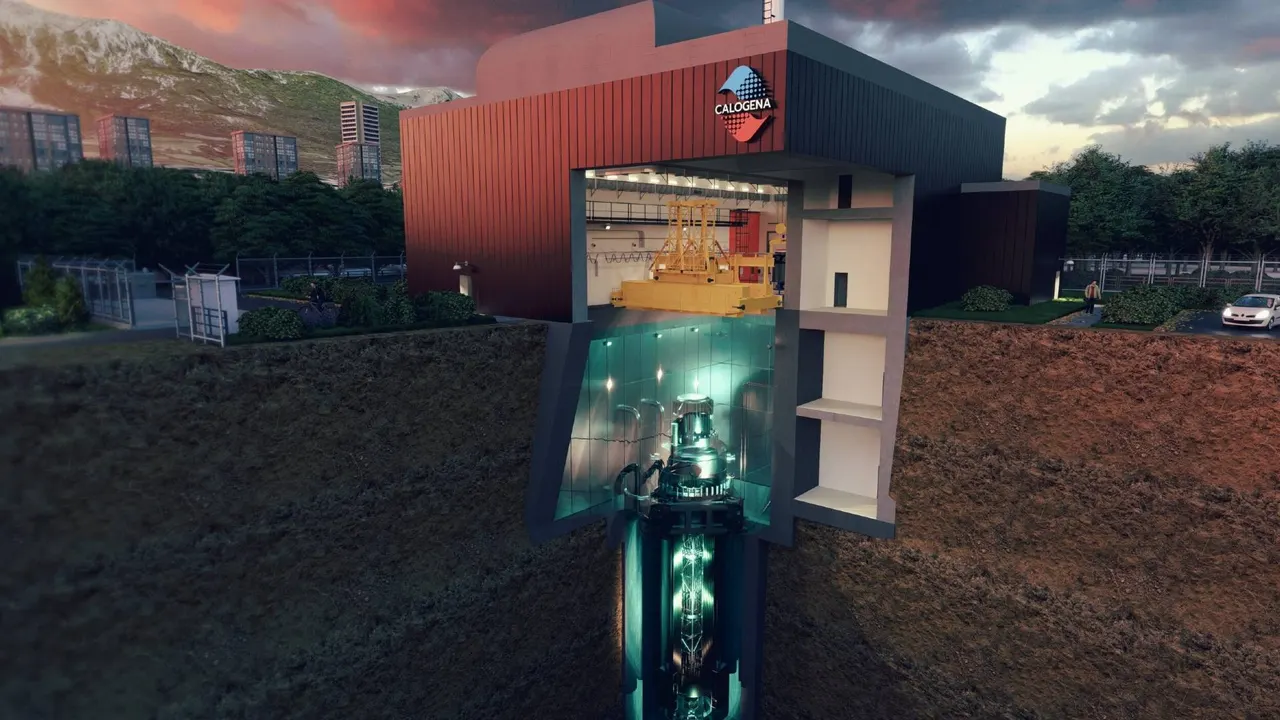
Calogena wins €40 million EU grant for first commercial SMR
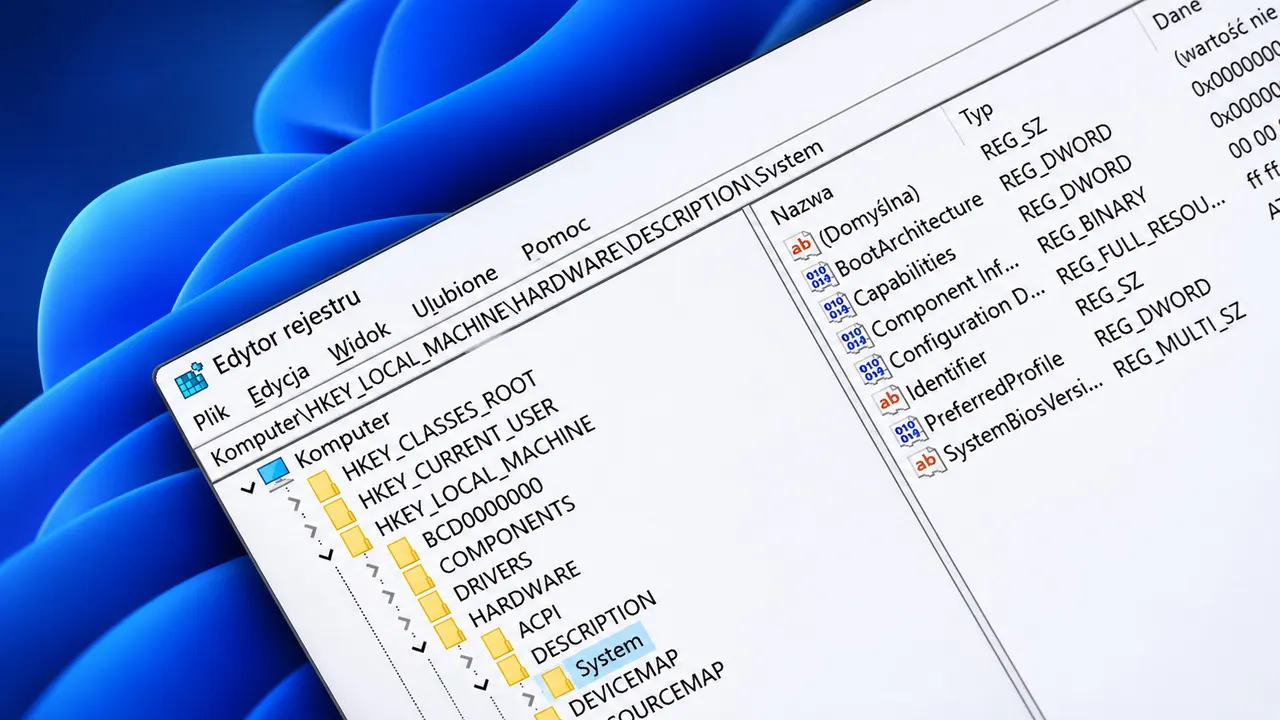
Windows 11 Registry Editor Gets a WinUI 3 Version as a Demo
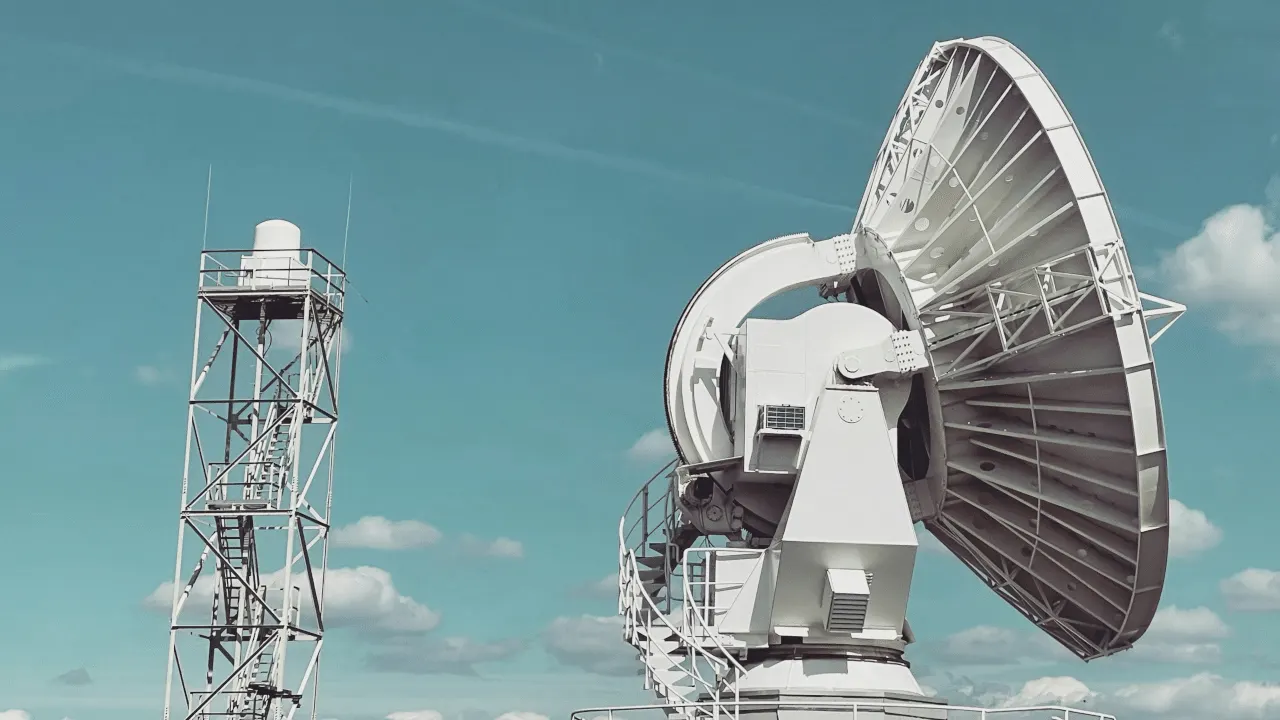
JRH ASI to Finance Radar System Production for Ukrainian Partner