Moscow Exchange to List USDT From December 1, Risks Fall on Buyers
Moscow Exchange will let investors buy USDT from December 1, but if Tether freezes the tokens, the loss falls on the investor, not the exchange or broker.
 SUMO· the number puzzle
 Dialo· learn languages by speaking
 ediviewer· read EDI files like documents
 giftdetect· the right gift in minutes
From December 1, investors will be able to buy the USDT stablecoin on the Moscow Exchange straight from their broker's app, alongside Sberbank shares and federal bonds. The convenience is obvious: no P2P deals, no hunting for exchangers, and a clearer route to paying taxes.
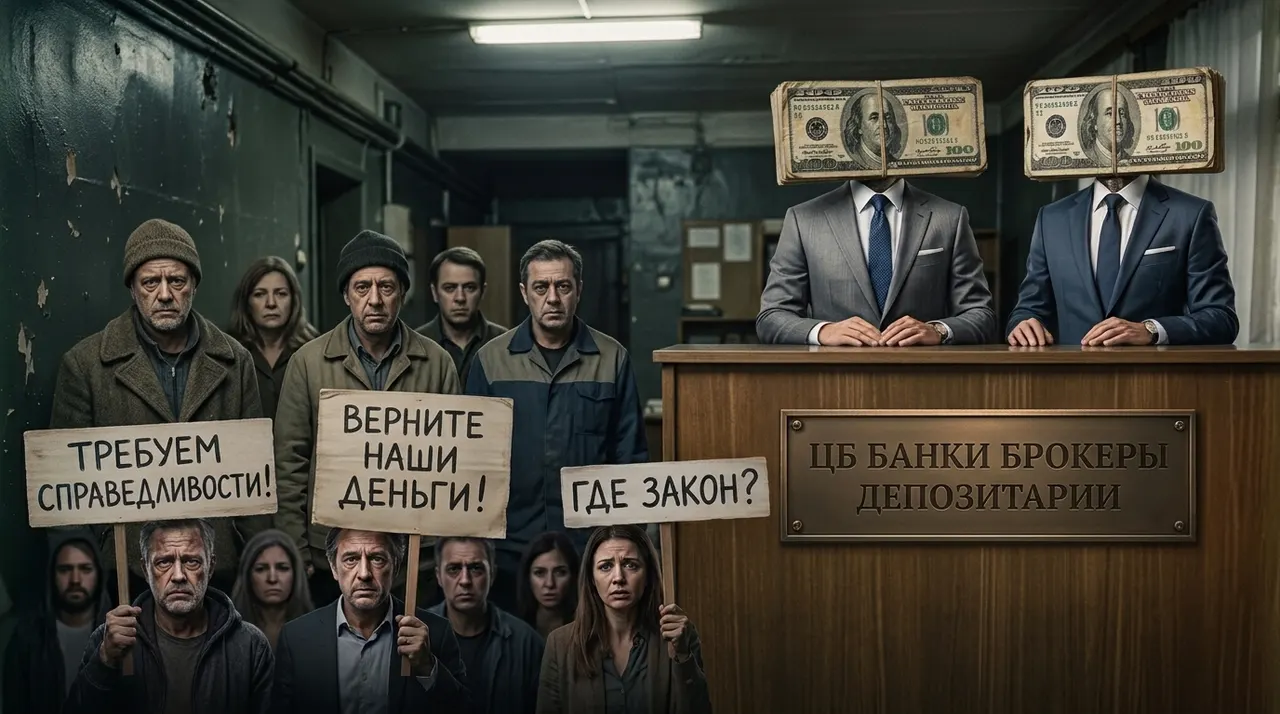
The catch is who bears the risk. According to the Russian Finance Ministry's stated position, if Tether blocks USDT held in Russian infrastructure, the loss lands on the investor, not on the exchange, the broker or the depository.
Why USDT can be frozen
USDT is a dollar-pegged token issued by Tether, with a market capitalisation of about $177 billion. Its smart contract has a built-in blacklist, so Tether can freeze any address without a court order or a regulator's approval. Since December 1, 2023, the company has voluntarily frozen wallets tied to people on the US OFAC sanctions list, including addresses listed earlier.
In the 12 months to mid-2026, Tether blacklisted 4,858 addresses and froze more than $2.24 billion; only 3.6% of addresses have ever been unfrozen. Cases involving Russians include the Garantex wallets, frozen at roughly 2.5 billion rubles, and more than 30 addresses worth about $27 million blocked on the day OFAC sanctioned two Russian citizens.
Russian officials acknowledge the danger. PSB head Pyotr Fradkov said Tether freezes funds on instruction from the US administration, and Central Bank First Deputy Chairman Vladimir Chistyukhin called the risk real and serious.
What the rules say
On November 6, the Central Bank approved a list of cryptocurrencies for non-qualified investors: bitcoin, ether and USDT. The order takes effect on November 17, after which exchanges may admit these assets to trading. Non-qualified investors can buy up to 300,000 rubles a year through a single intermediary and must pass a test first.
The core criticism is that the regulator knows about the freeze risk yet leaves it entirely with retail buyers. The author of the analysis has addressed the Central Bank with proposals to share that risk between market participants.
Apps worth a look
SUMO: the number puzzleTap the right tiles, add them up, hit the target. Easy to learn, hard to master. Free, for all ages.
Dialo: learn languages by speakingTalk to an AI conversation partner; every sentence comes back corrected and explained in your language. 9 languages, A1 to C2.
ediviewer: read EDI files like documentsOpen EDIFACT and X12 messages, see every segment explained, convert to JSON/XML, export PDF and Excel. Runs locally, no upload.
giftdetect: the right gift in minutesPick who it is for, the occasion and their personality. The search engine reads product descriptions from local shops and ranks what fits. Free, no sign-up.
More from this day
See all →
Budimex Tests Autonomous Rollers as Poland's Labor Shortage Bites
Android Auto Ends Support for Phones Running Android 9 and 10
FBI and CISA Warn Hackers Are Targeting Industrial Fridges Worldwide
Linus Torvalds Stops Flagging AI-Driven Fixes in Linux Kernel
More in: Crypto
See all →
Zama Spin-Off Raycash Launches Private Stablecoin Payments
DIFC Courts Explore Blockchain Link to Freeze Crypto Assets
SpaceX Proposes $24 Billion Texas AI Supercomputer With Gas Plant