Memory chip prices hit Indian startups as GPU costs jump 30-35%
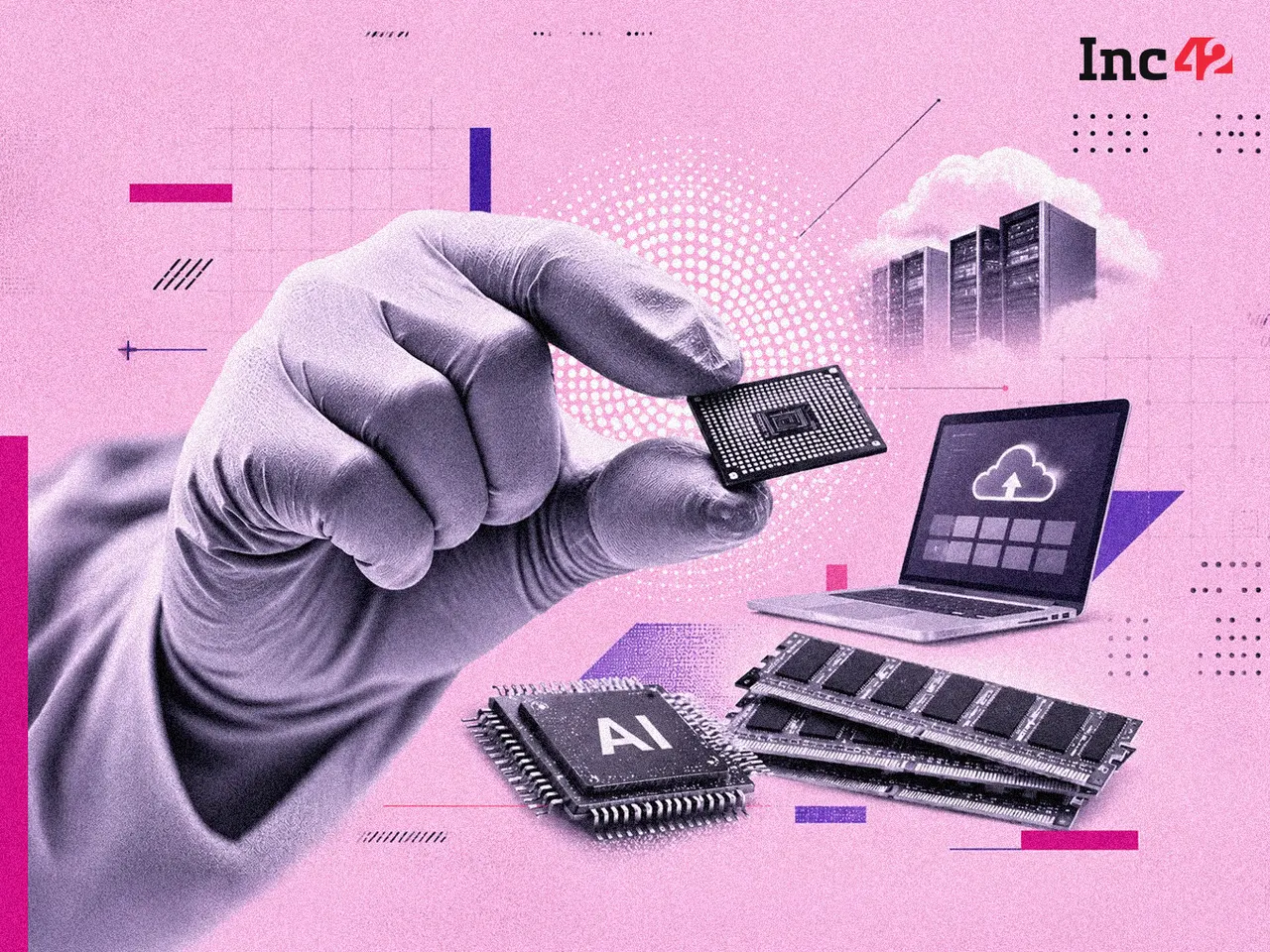
The memory shortage that lifted Samsung phone prices is now reaching Indian AI startups, where GPU rental has risen 30-35% and contracts run three to six months.
 SUMO· the number puzzle
 Dialo· learn languages by speaking
 ediviewer· read EDI files like documents
 giftdetect· the right gift in minutes
The memory chip squeeze that pushed up the price of Samsung phones is now landing on Indian startups. Samsung's entry-level Galaxy A07 5G went from ₹20,999 to ₹22,999 on November 16, and around 48 Samsung and Xiaomi variants rose by ₹1,000 to ₹4,000. For AI and SaaS companies, the same pressure shows up in cloud bills and GPU rentals.
Why are memory chip prices hurting AI startups?
Memory is a cost at every stage of an AI product. Training data has to be stored and kept close to the compute. After launch, prompts, chat histories, documents and logs pile up. Running a model, known as inference, needs even more memory, because the model keeps a key-value cache of earlier conversation so it can answer the next message. Longer chats and more simultaneous users mean a bigger cache.
GPUs, the chips that train and run models, are the other problem. Subhashish Banerjee, cofounder of Bharat1 AI, says GPU prices have risen 30-35% since February 2026. Startups that used to book capacity for 10-11 hours at a time are now asked to commit for three or six months. In practice, a startup expecting a customer in June may have to reserve hardware in March or January.
Smaller companies without spare capital feel it most, but bigger ones are not spared. Payments company Juspay posted a net loss of ₹90 crore in FY26, against a ₹62 crore profit the year before, as it spent more on AI and international expansion. Revenue grew 30% to ₹664 crore. Cofounder Sheetal Lalwani says Juspay wants more GPUs but faces delivery times of three to six months, and is waiting on a 72-GPU rack.
Currency makes it worse. Abhijeet Zilpelwar of pi-labs says almost all compute is bought in dollars, so a price rise hurts an Indian company more than a US one.
What about ordinary SaaS companies?
They rely less on high-end GPUs, but cloud servers still run on DRAM and NAND flash storage, and providers pass some costs on. Per-seat subscription models are exposed, since infrastructure costs rise with usage while revenue may not. Industry estimates put a growth-stage startup's monthly cloud spend at ₹18-45 lakh, up from ₹8-20 lakh two years ago.
Not every provider is raising everything. CloudPe cofounder Karan Jaju says older cloud instances kept their prices, while newer configurations with updated CPUs and RAM cost more. Startups are looking at smaller, domain-specific models, quantisation and leaner infrastructure to cut the bill.
Apps worth a look
SUMO: the number puzzleTap the right tiles, add them up, hit the target. Easy to learn, hard to master. Free, for all ages.
Dialo: learn languages by speakingTalk to an AI conversation partner; every sentence comes back corrected and explained in your language. 9 languages, A1 to C2.
ediviewer: read EDI files like documentsOpen EDIFACT and X12 messages, see every segment explained, convert to JSON/XML, export PDF and Excel. Runs locally, no upload.
giftdetect: the right gift in minutesPick who it is for, the occasion and their personality. The search engine reads product descriptions from local shops and ranks what fits. Free, no sign-up.
More from this day
See all →
macOS Tahoe round window corners: an old bug is the likely cause

Skull and Bones lawsuit: Ubisoft calls its own "AAAA" claim puffery

IndiaMART settles with OpenAI over ChatGPT listing exclusion