Kerch Bridge strike: Ukraine used relay drones, not Starlink
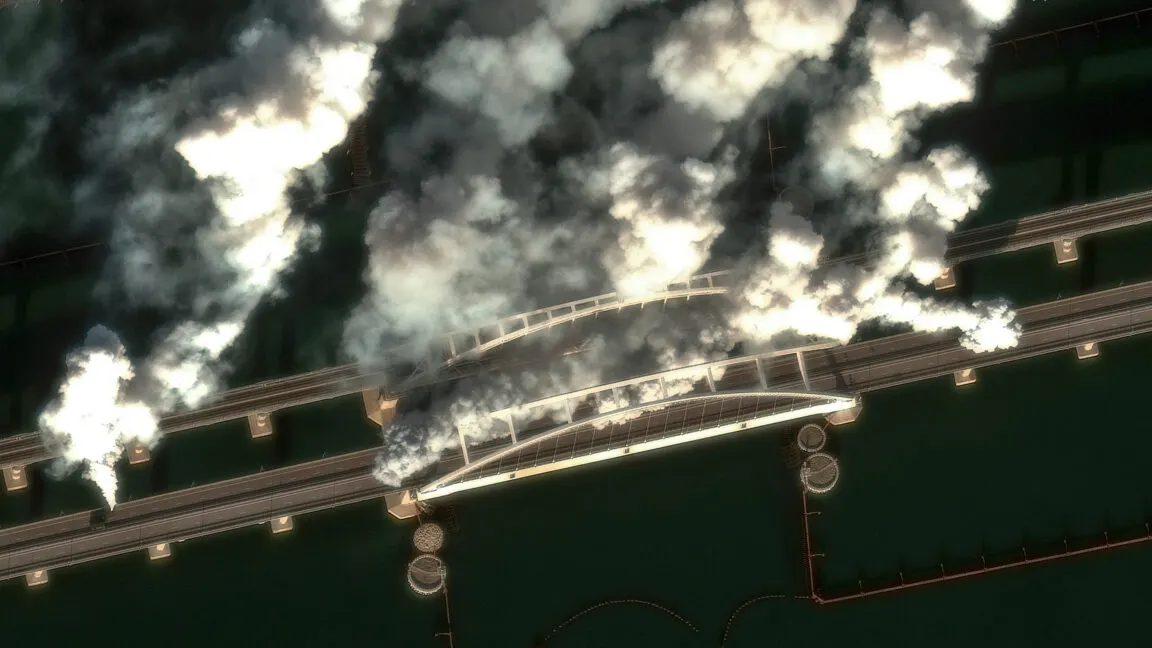
Ukraine collapsed part of the Kerch Strait Bridge by turning drones into a flying relay network, a trick copied from Russia, and left Starshield out of it.
 SUMO· the number puzzle
 Dialo· learn languages by speaking
 ediviewer· read EDI files like documents
 giftdetect· the right gift in minutes
The Kerch Strait Bridge strike was steered by a network of drones passing signals along, not by Starlink. Ukraine's military collapsed a section of the bridge without using Starshield, the military version of Elon Musk's satellite service.
On the nights of November 15 and 16, waves of Ukrainian drones and missiles hit the bridge. According to the Institute for the Study of War, one of two steel arches supporting the road for cars collapsed. Russian sources claimed several hundred drones first overwhelmed air defenses, then remote-controlled missiles went in, including Ukraine's homegrown Flamingo cruise missile.
How did Ukraine guide the missiles without Starlink?
The Financial Times reports that Ukraine used drones fitted with mesh radios. Each one acts as a relay node, extending the link between human operators and the missiles and strike drones. The idea is Russian: it first used the technique for long-range strikes on Ukrainian cities. Operators more than 250 kilometers (155 miles) away could steer weapons around air defenses and toward the bridge's weakest structural points.
Weeks of earlier strikes had already damaged Russian air defenses, radars and electronic warfare gear around the bridge. The first night also coincided with Ukraine's largest overnight drone attack on Russia since the full-scale war began, Reuters reported.
Why avoid Starshield?
Recent US restrictions bar Ukraine from using Starshield on drones or anything moving faster than 100 miles per hour (161 km/h). President Volodymyr Zelenskyy says the limits have not been lifted. SpaceX denies they came back. Either way, Ukrainian units deliberately steered clear of it.
What it means for Crimea
The $3.5 billion bridge, opened in 2018, links Russia to occupied Crimea. The railway section was only moderately damaged, and trains appear to be running again. The road is another matter. Engineering experts told The New York Times that repairs could take two years under normal conditions, longer if the piers are damaged, and repair crews would be exposed to new strikes.
The alternative land route runs through occupied southern Ukraine, where Ukrainian forces are already hitting highways and supply trucks. A Crimea-based Telegram channel owner says debris may also block large ships in the strait.
Apps worth a look
SUMO: the number puzzleTap the right tiles, add them up, hit the target. Easy to learn, hard to master. Free, for all ages.
Dialo: learn languages by speakingTalk to an AI conversation partner; every sentence comes back corrected and explained in your language. 9 languages, A1 to C2.
ediviewer: read EDI files like documentsOpen EDIFACT and X12 messages, see every segment explained, convert to JSON/XML, export PDF and Excel. Runs locally, no upload.
giftdetect: the right gift in minutesPick who it is for, the occasion and their personality. The search engine reads product descriptions from local shops and ranks what fits. Free, no sign-up.
More from this day
See all →
Movie2k case: German judge offers deal for $2.56B in bitcoin

New US scam payments center targets $17.7 billion fraud problem

Waymo paused in San Francisco after robotaxis stall in floods

Google finds AI hacking tool that runs itself, with Russian comments
More in: Other
See all →
LEET perfect scorer vanishes before public cheating test in Seoul

Sam Altman on the Artificial movie: not top 10 weirdest things