India Bans Export of Lithium-Ion Battery Black Mass
India's trade directorate has moved black mass from 'Free' to 'Prohibited' for exports, aiming to keep lithium, cobalt and nickel from recycled batteries at home.
 SUMO· the number puzzle
 Dialo· learn languages by speaking
 ediviewer· read EDI files like documents
 giftdetect· the right gift in minutes
India has banned exports of black mass, the metal-rich powder recovered from recycled lithium-ion batteries. The Directorate General of Foreign Trade (DGFT), part of the Ministry of Commerce and Industry, notified the amendment on Tuesday, and it applies immediately to all outbound shipments.
In its circular, the directorate changed the export policy for unsorted lithium-ion battery black mass under ITC (HS) Code 85491400, which contains no lead, cadmium or mercury, from "Free" to "Prohibited" with immediate effect, until further orders.
Why black mass matters
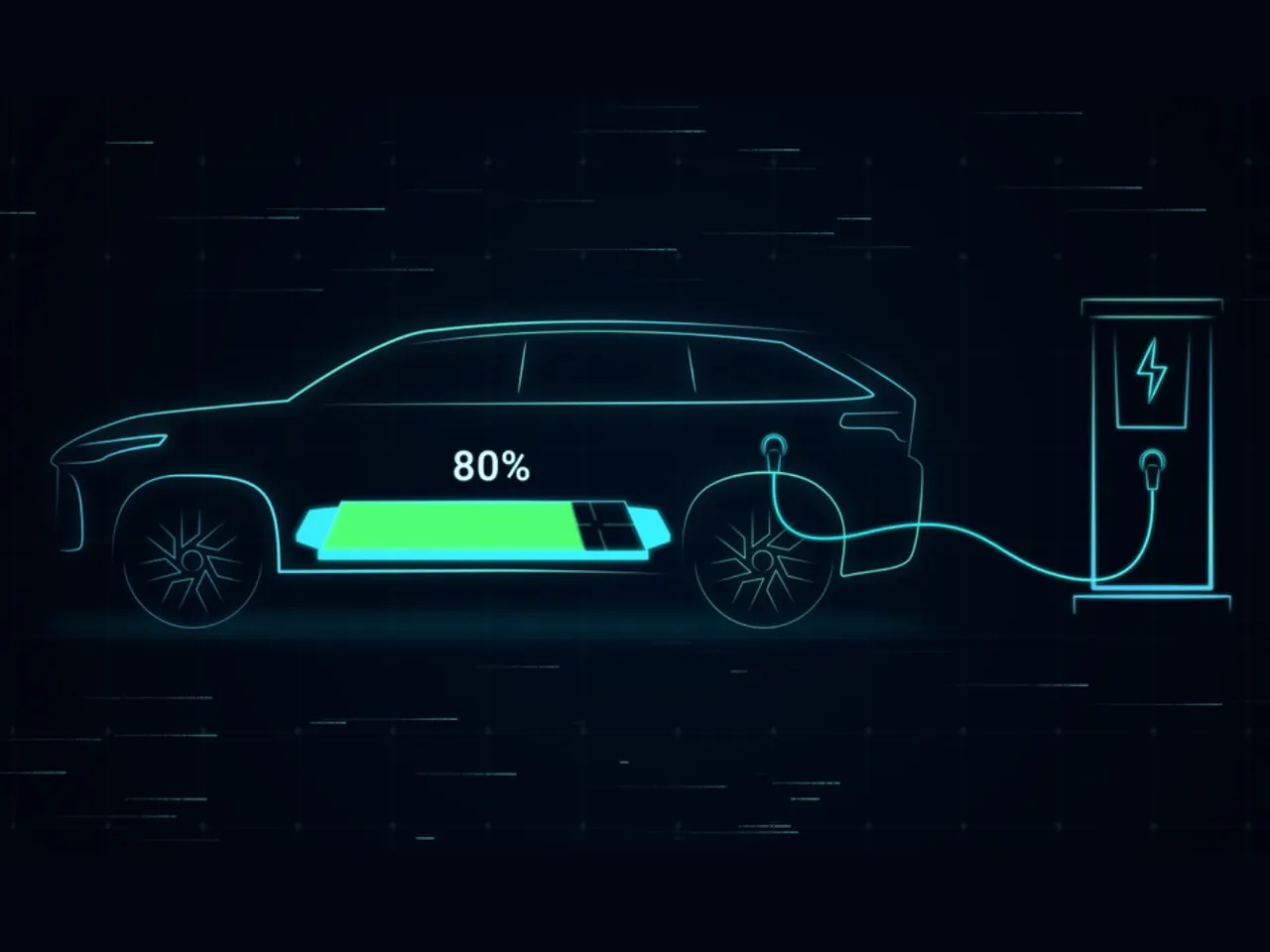
Black mass is produced by shredding end-of-life lithium-ion batteries. It is rich in lithium, cobalt and nickel, which can be recovered and reused in new batteries at lower cost than mining fresh reserves. Because India depends on imports for these raw materials, the government sees black mass as a strategic resource that allows local sourcing.
The ban fits a wider push to cut reliance on imported critical minerals. In September 2025, the government approved incentives worth ₹1,500 crore to build domestic recycling capacity. Earlier this week it added the Capex Support Scheme to Promote Critical Mineral Processing, with an outlay of ₹2,814 crore to set up two plants each for lithium and nickel processing.
The capacity gap
According to the Observer Research Foundation, India can recycle more than 60,000 tonnes of batteries a year, yielding around 30,000 tonnes of black mass. Limited processing capacity, however, means the material has typically been shipped abroad.
The restriction could keep those materials inside the country, but India still has to build up its black mass extraction and refining capabilities to capture the full economic value. The domestic battery recycling market reached $603.9 million in 2025 and is projected to hit $1.3 billion by 2034, a CAGR of 8.65%, as battery manufacturing scales up.
Apps worth a look
SUMO: the number puzzleTap the right tiles, add them up, hit the target. Easy to learn, hard to master. Free, for all ages.
Dialo: learn languages by speakingTalk to an AI conversation partner; every sentence comes back corrected and explained in your language. 9 languages, A1 to C2.
ediviewer: read EDI files like documentsOpen EDIFACT and X12 messages, see every segment explained, convert to JSON/XML, export PDF and Excel. Runs locally, no upload.
giftdetect: the right gift in minutesPick who it is for, the occasion and their personality. The search engine reads product descriptions from local shops and ranks what fits. Free, no sign-up.
More from this day
See all →
Unacademy CEO Gaurav Munjal Steps Down; Akhilendra Kumar Takes Over
Greenjoules Closes ₹150 Cr Series B Led by Amazon's Smbhav Fund

Google Launches Gemini Robotics 2.5 for Humanoid Robots

Meta Expands AI Age Detection on Instagram to Find Teen Accounts
More in: Business
See all →
Yandex Cloud Recovers 97% of Customer Data After Attacks

Rutube Launches Rutube Ads, Its Own Video Ad Platform

EU Digital Fairness Act Targets Dark Patterns and AI Shopping Agents