HyLIFS: Emergency Blanket Material Tested for Moon Buildings
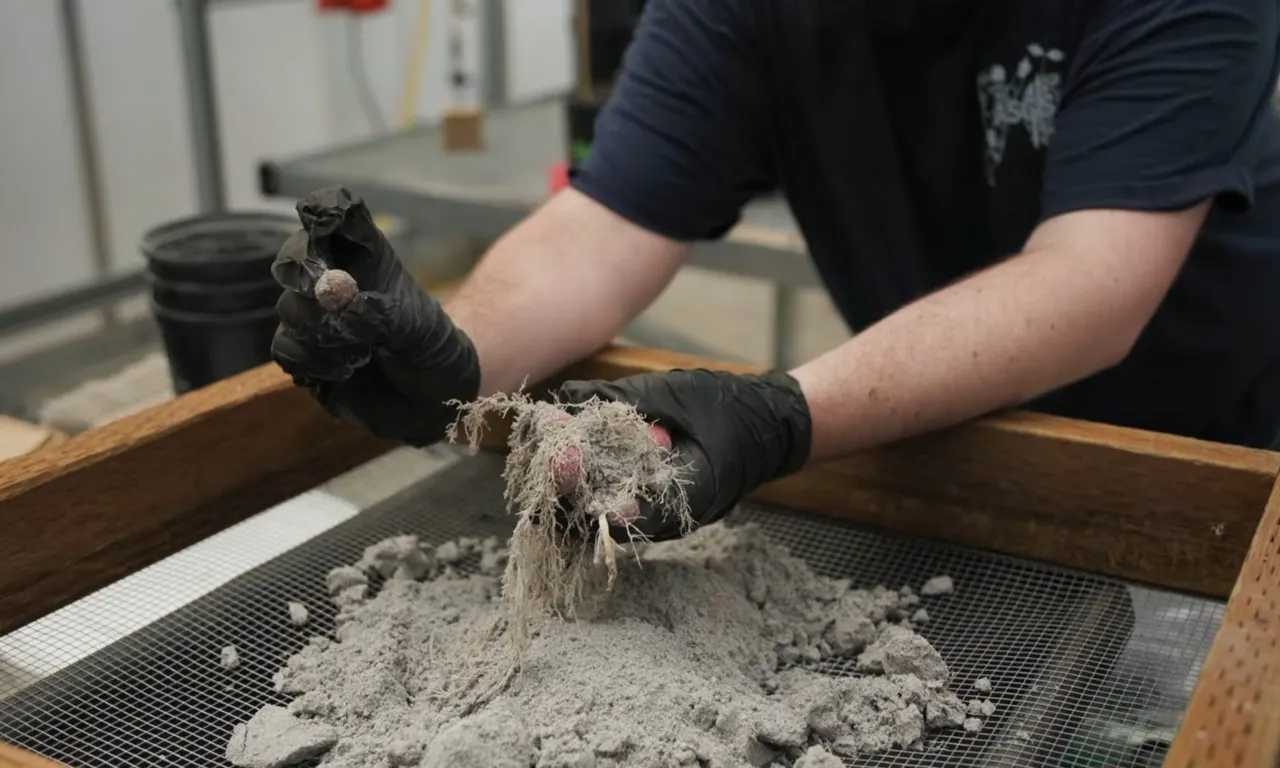
Engineers at the University of Pennsylvania stacked ultra-thin Mylar, the stuff of marathon foil blankets, into HyLIFS, an insulator that is also tough enough for the Moon.
 SUMO· the number puzzle
 Dialo· learn languages by speaking
 ediviewer· read EDI files like documents
 giftdetect· the right gift in minutes
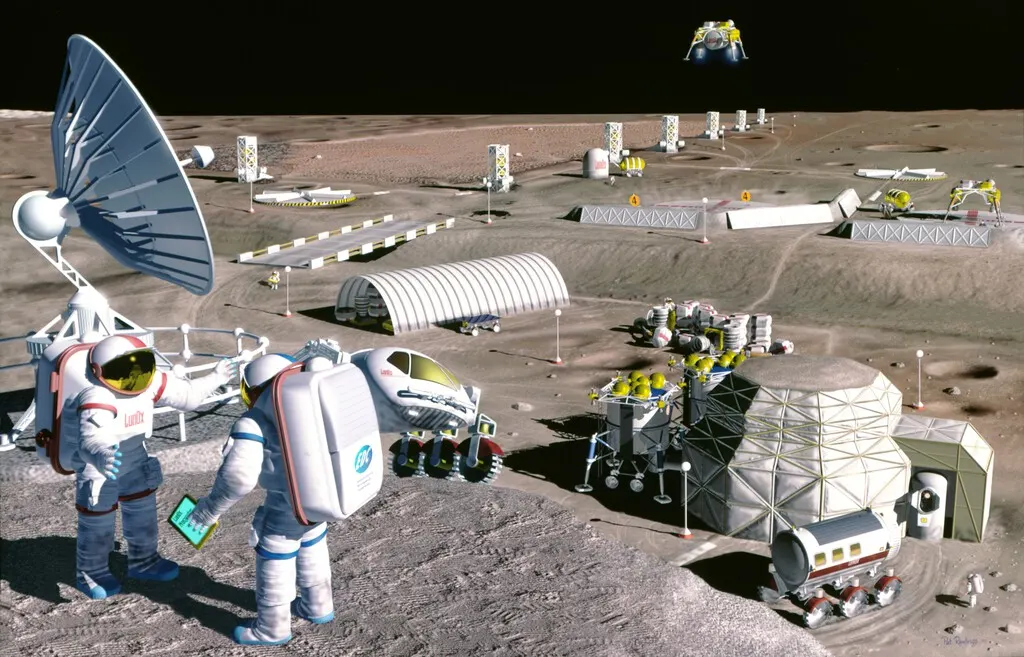
The shiny foil blanket handed to marathon runners might one day end up in a lunar base. Engineers at the University of Pennsylvania's School of Engineering and Applied Science have built a material called HyLIFS from the same kind of film, and early tests look promising.
Future Moon settlements will need materials that are strong, but also good at blocking extreme heat and cold. Aerogels and classic multilayer coatings insulate very well, yet they are too fragile for such a harsh setting. So the team turned to BoPET, better known as Mylar. It is ordinary PET plastic stretched in two directions to make a thin, tough sheet. Add aluminium and it reflects infrared radiation, which is why it works in emergency blankets.
The researchers stacked very thin layers of Mylar and added aluminium oxide to keep the insulating effect. It was fiddly work. The layers were so light that, by the scientists' own account, even breathing near them could blow them away, so they used tweezers. The result was a prototype of one square centimetre.
How well does HyLIFS insulate?
Very well. Its thermal conductivity came in at about 2.2 mW/m·K. Bricks can exceed 1,000 mW/m·K. The sample also withstood 20 megapascals of pressure, roughly 200 kilograms pressed onto a fingertip-sized area, and gave identical results over 10 repeated tests.
Under the microscope, the team found that most heat crosses between layers at the contact points of tiny anti-stick particles that manufacturers add so the sheets don't cling together. The particles are needed, but they are also the main leak. That suggests better insulation is possible by optimising them.
What happens next?
A centimetre-sized scrap is a long way from a Moon habitat. The material must survive bending, impacts and high pressure during the trip, the building work and the stay. Researchers now need to check that the properties hold in larger pieces, find a faster production method than tweezers, and test resistance to knocks, scratches and repeated flexing.
Apps worth a look
SUMO: the number puzzleTap the right tiles, add them up, hit the target. Easy to learn, hard to master. Free, for all ages.
Dialo: learn languages by speakingTalk to an AI conversation partner; every sentence comes back corrected and explained in your language. 9 languages, A1 to C2.
ediviewer: read EDI files like documentsOpen EDIFACT and X12 messages, see every segment explained, convert to JSON/XML, export PDF and Excel. Runs locally, no upload.
giftdetect: the right gift in minutesPick who it is for, the occasion and their personality. The search engine reads product descriptions from local shops and ranks what fits. Free, no sign-up.
More from this day
See all →
South Korea's emergency alert system now rings phones at exams

UPI MDR fee may slip past 2027 state elections, shares fall

Autopay data breach: banks are blocking customers' cards