Heron Power vs Tesla Powercore: Ex-Tesla VP Builds a Rival
Drew Baglino spent 18 years at Tesla. Now his startup Heron Power is building a rival to Tesla's Powercore, and the product is a transformer, not a car.
 SUMO· the number puzzle
 Dialo· learn languages by speaking
 ediviewer· read EDI files like documents
 giftdetect· the right gift in minutes
Drew Baglino spent 18 years helping build Tesla's technology. Now his startup, Heron Power, is going head to head with his old employer, and the battleground is not cars or batteries but transformers.
Baglino left Tesla in April 2024 as senior vice president of powertrain and energy. Heron Power has hired people who worked on the power electronics in the Powerwall 3, Megapack and Supercharger. Tesla co-founder JB Straubel is among the investors, and former CFO Zach Kirkhorn sits on the board. The company has raised $38 million in a Series A, $140 million in a Series B and $60 million in debt financing.
What is Tesla Powercore?
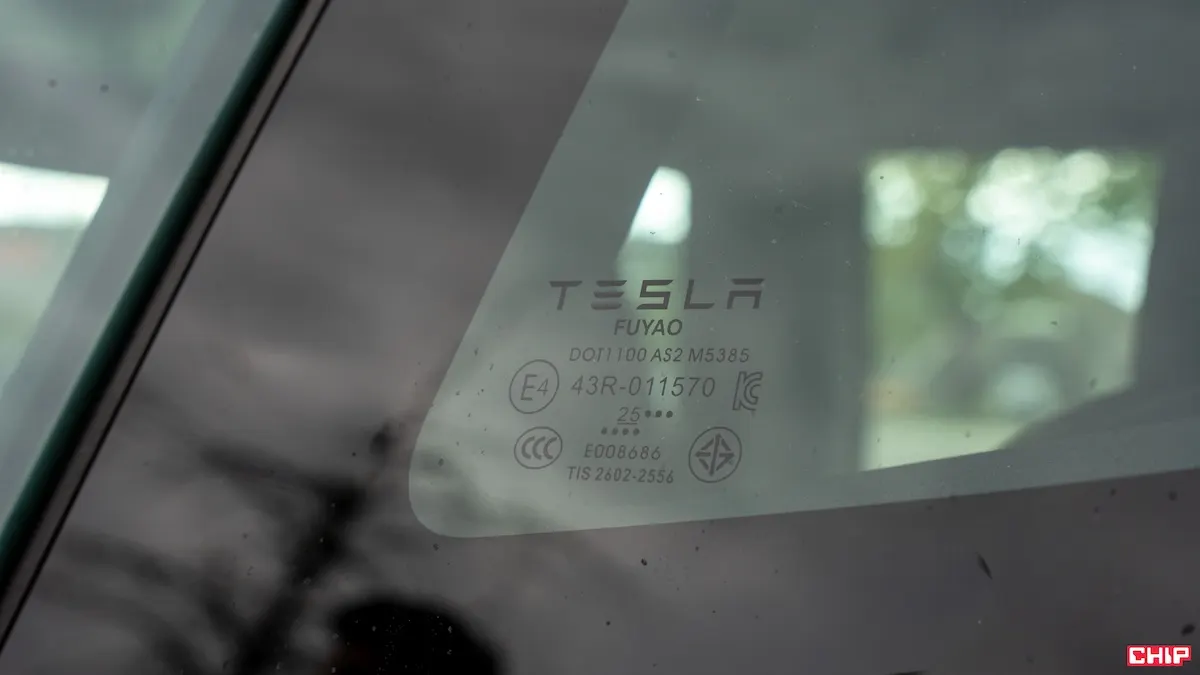
Powercore combines a medium-voltage transformer, an inverter and a protective breaker in one unit. Silicon carbide semiconductors do the fast switching. Tesla quotes 7.4 MW of active power at 34.5 kV, up to 10 MVA peak in grid-forming mode (the unit actively shapes grid voltage and frequency), a peak efficiency of 98.86% and a warranty of up to 25 years. The solid-state breaker is said to react to faults up to a thousand times faster than traditional protection, and there is no flammable oil inside.
How does Heron Link compare?
Heron's Link offers about 5 MW for solar and storage sites, 98.6% DC-to-medium-voltage efficiency and 99.5% lifetime availability. Powercore wins on power per unit. Efficiency is harder to compare, because Tesla's figure is a peak value and the two firms don't use identical test procedures. At 7.4 MW, each percent of loss is roughly 74 kW.
Heron is preparing Heron Factory One in Morgan Hill, California, aiming for 10,000 units a year, over 40 GW, with volume production starting in late 2027. It has agreements with several customers and works with LG Energy Solution Vertech on storage integration. Tesla also plans first Powercore units in 2027, built in the US, but has named no factory location, customers or prices. It also wants to use Powercore in data centers running 800 V DC power.
Tesla has an existing customer base and can sell whole energy systems. Heron has a concrete pilot schedule and reservations for future output. Reservations are not deliveries, though, and a planned factory doesn't guarantee the claimed performance.
Apps worth a look
SUMO: the number puzzleTap the right tiles, add them up, hit the target. Easy to learn, hard to master. Free, for all ages.
Dialo: learn languages by speakingTalk to an AI conversation partner; every sentence comes back corrected and explained in your language. 9 languages, A1 to C2.
ediviewer: read EDI files like documentsOpen EDIFACT and X12 messages, see every segment explained, convert to JSON/XML, export PDF and Excel. Runs locally, no upload.
giftdetect: the right gift in minutesPick who it is for, the occasion and their personality. The search engine reads product descriptions from local shops and ranks what fits. Free, no sign-up.
More from this day
See all →
AI agent buys Papa John's pizza straight from a UK bank account
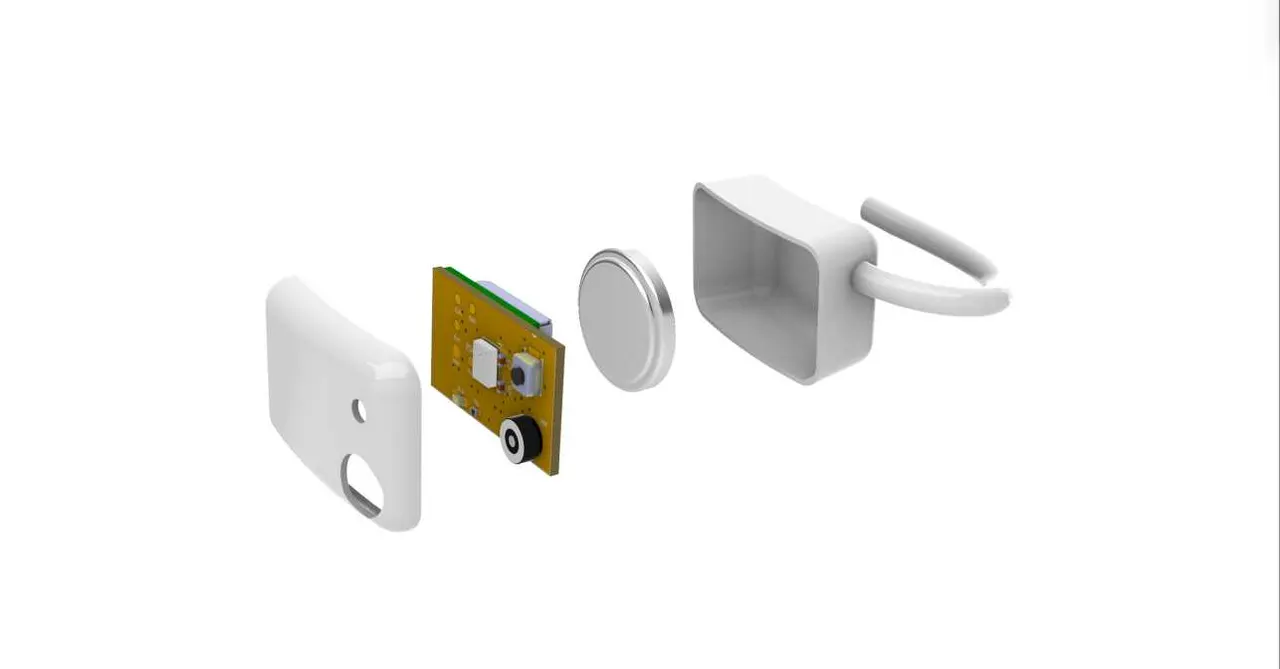
InvisiSpeech: ETH Zurich's Hidden Mouth Device Reads Silent Speech
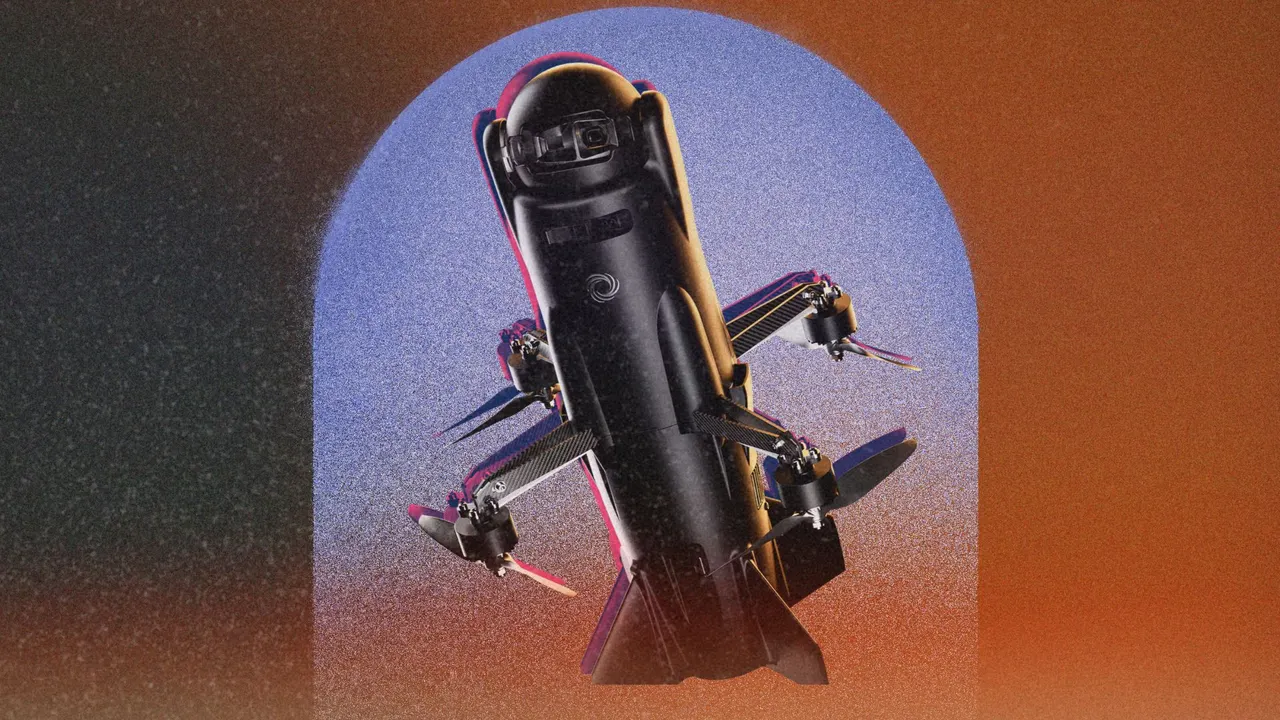
Gobi Zephyr: France's first interceptor drones fly at 350 km/h
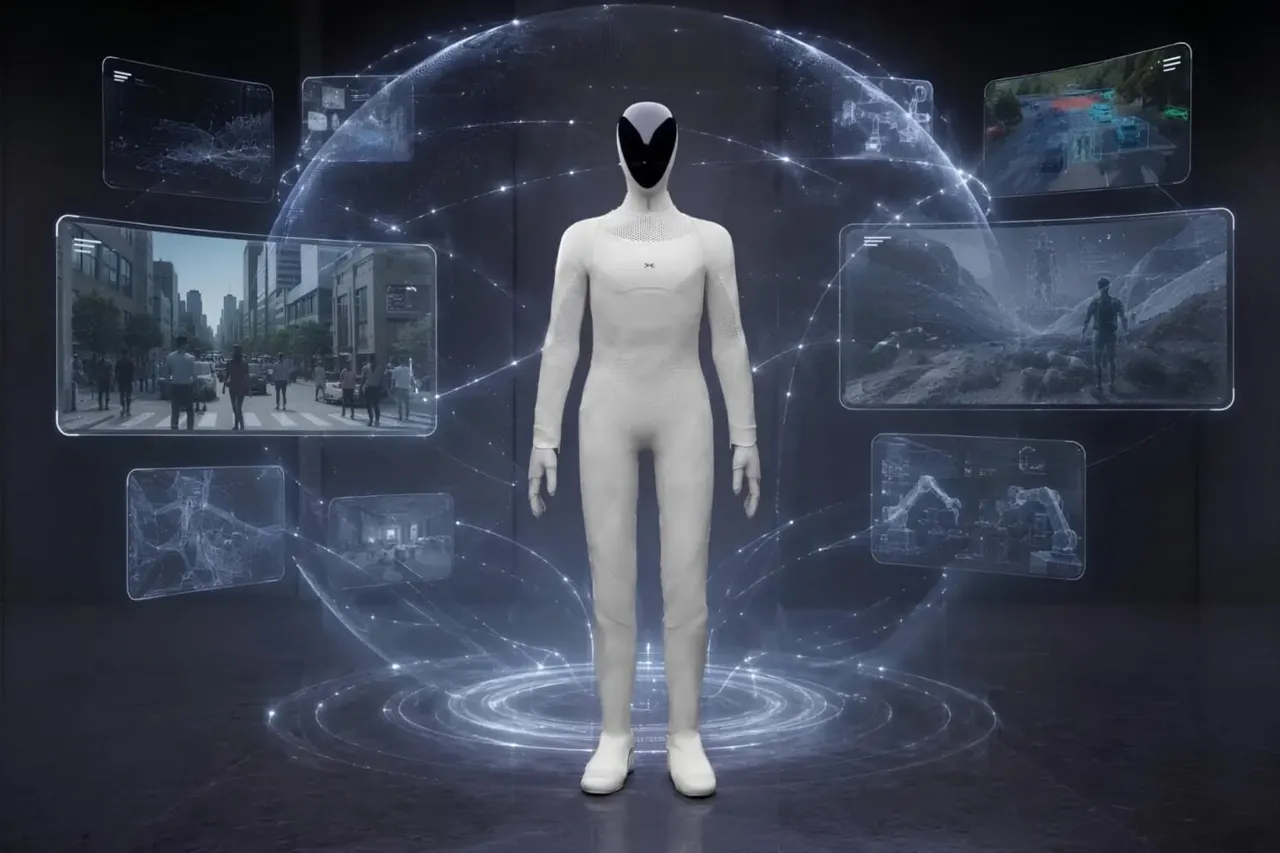
Xpeng IRON humanoid robot to cost about as much as a car
More in: Business
See all →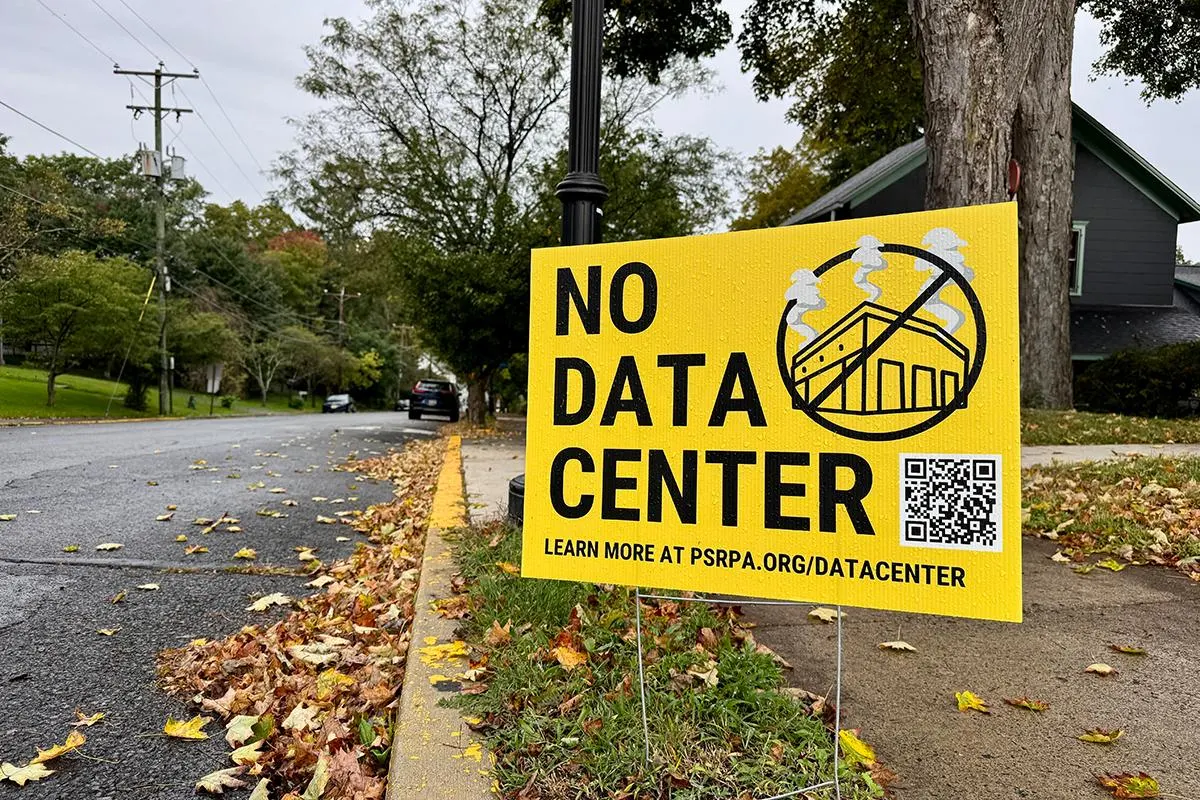
Texas data center backlash helped unseat Governor Abbott
Softonic sold to Newborn Town for up to €50 million

Vodafone price clause ruled invalid, 121,000 want refunds