Google Warns of LLMjacking: $100,000 in Fraudulent Use in a Day
Google's Mandiant and threat intelligence group detail LLMjacking attacks that ran up over $100,000 in charges in one day and nearly $1 million for some victims.
 SUMO· the number puzzle
 Dialo· learn languages by speaking
 ediviewer· read EDI files like documents
 giftdetect· the right gift in minutes
Google's Mandiant and the Google Threat Intelligence Group (GTIG) published a report on November 4 detailing how "LLMjacking" attacks work. In these attacks, hackers steal a person's or company's large language model account or API access and use it without permission.
Unlike cryptojacking, which slowly drains hijacked computing resources to mine cryptocurrency, LLMjacking can generate enormous bills in a very short time. Google said it observed cases with more than $100,000 in fraudulent charges in a single day, and some companies faced cumulative losses of $1 million before access was blocked. One threat actor made over 500,000 LLM API calls in under eight hours.
How the attackers get in and cash out
The attacks hit financial services, retail, technology and transport firms in North America, South America and Asia-Pacific. Attackers gained entry through credential theft and session hijacking, and also collected valid credentials exposed in public GitHub repositories.
Stolen API keys were then bundled into illicit proxy gateways, known as "LLM mixers," and access to models was resold on cybercrime markets at steep discounts. In one case, an illegal token-routing service offered buyers unlimited use of frontier models for about $60 a month, leaving the victim organization with roughly $1 million in model usage charges.
In another case, the attacker used a "burn and rotate" strategy, constantly creating and deleting short-lived service accounts to get around API call limits. The actor also checked the cloud provider's billing records regularly to monitor the damage.
What organizations should do
The report recommends threat hunting, taking inventory of unapproved "shadow LLM" use inside the organization, breaking API key permissions into finer-grained scopes, and automated secret scanning.
John Hultquist, chief analyst at GTIG, said attackers use LLMjacking to gain an edge over defenders in scale, using agentic tools to steal tokens without victims noticing. He urged companies to tightly control access to LLM resources, review usage closely, enable multi-factor authentication and manage account credentials carefully.
Apps worth a look
SUMO: the number puzzleTap the right tiles, add them up, hit the target. Easy to learn, hard to master. Free, for all ages.
Dialo: learn languages by speakingTalk to an AI conversation partner; every sentence comes back corrected and explained in your language. 9 languages, A1 to C2.
ediviewer: read EDI files like documentsOpen EDIFACT and X12 messages, see every segment explained, convert to JSON/XML, export PDF and Excel. Runs locally, no upload.
giftdetect: the right gift in minutesPick who it is for, the occasion and their personality. The search engine reads product descriptions from local shops and ranks what fits. Free, no sign-up.
More from this day
See all →
I4C warns banks and fintechs of AI agent-driven fraud attacks
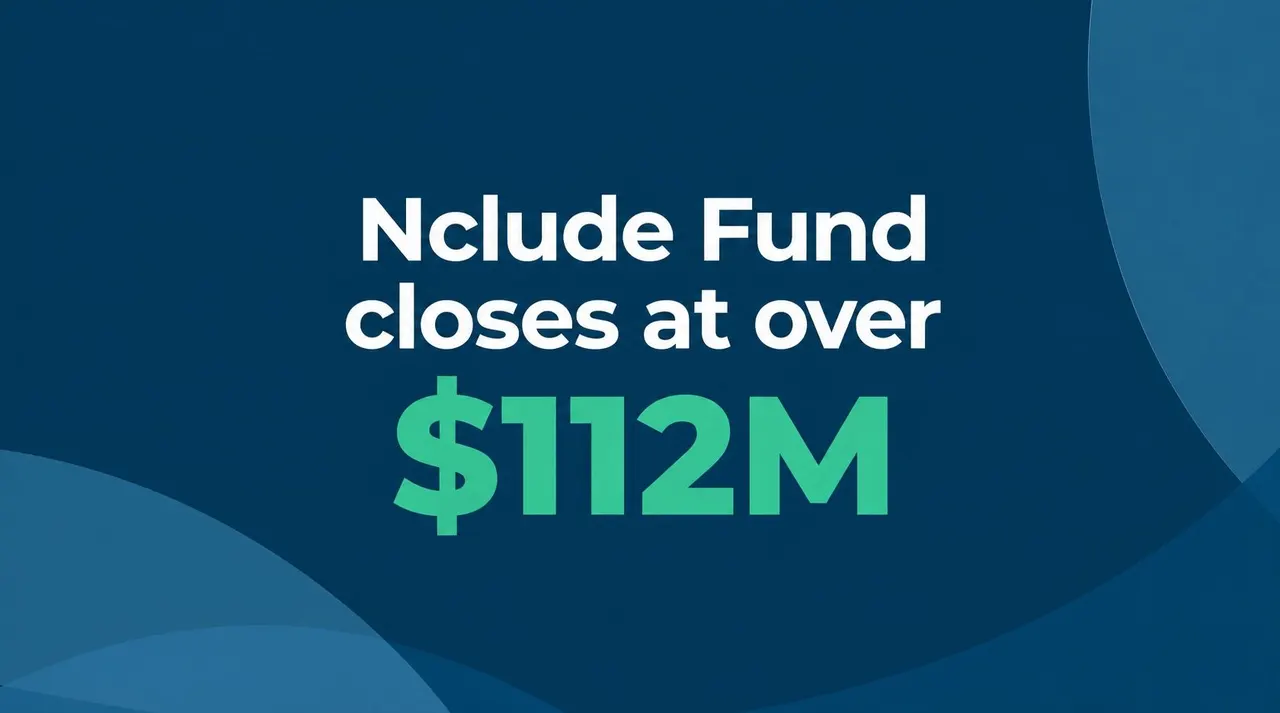
DPI Venture Capital Closes Nclude Fund at Over $112 Million
HUMAIN Acquires Saudi Firm CNTXT to Expand Enterprise AI