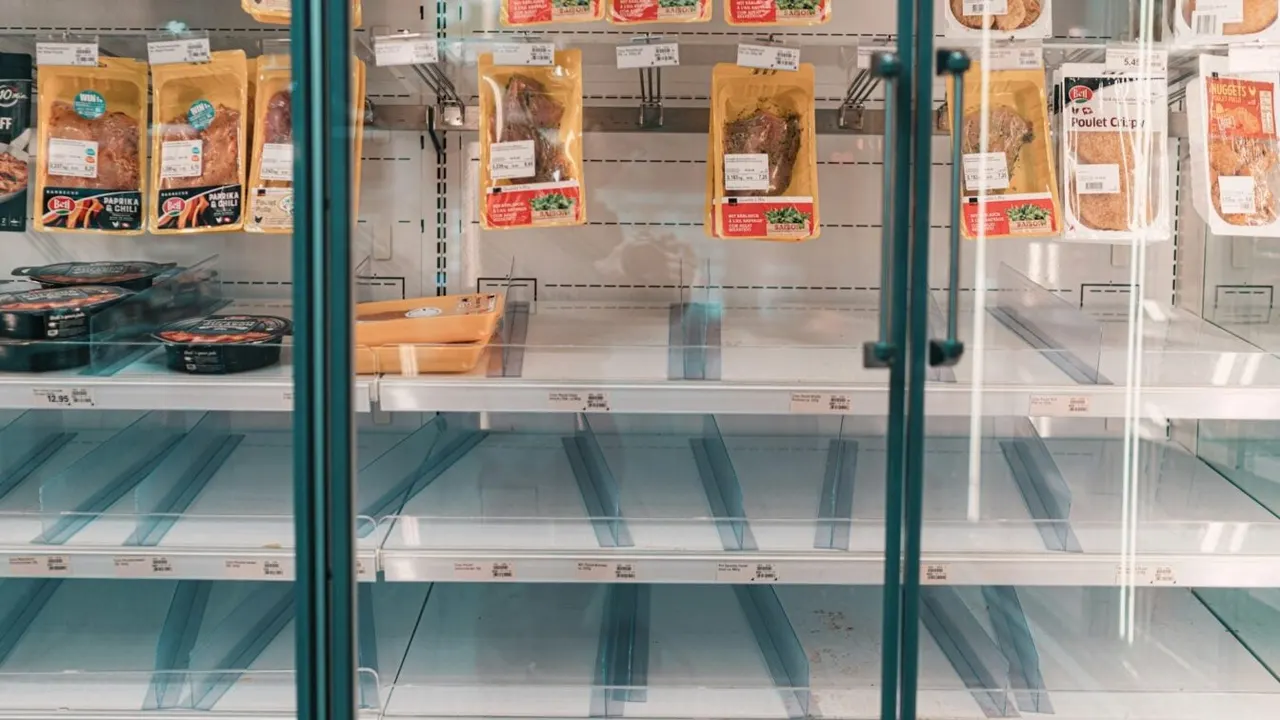
France blames Iran's IRGC cyber unit for supermarket fridge hack
Paris prosecutors have opened a judicial investigation into an Iranian Revolutionary Guards cyber unit over the October attack on supermarket refrigeration systems.
 SUMO· the number puzzle
 Dialo· learn languages by speaking
 ediviewer· read EDI files like documents
 giftdetect· the right gift in minutes
French authorities say they have identified who was behind the cyberattack on hundreds of supermarkets' refrigeration systems. The Paris prosecutor's office has opened a judicial investigation targeting the head of the Iranian group Shahid Kaveh, an offensive cyber unit affiliated with the Revolutionary Guards' Cyber-Electronic Command (IRGC-CEC), along with his two deputies and anyone else who may be identified.
According to a source close to the case, French services are "in a position to attribute" the attack carried out overnight on 11–12 October to the IRGC's cyber centre. International arrest warrants have been issued against the three suspects.
Charges and context
The investigation, led by one or more investigating judges, covers fraudulent interference with an automated data processing system by an organised group, and damage by a means dangerous to people, also by an organised group. The Paris prosecutor says the offences were committed to serve a foreign power, in this case Iran.
The unit had reportedly drawn up, some years earlier, a list of potential targets in several Western countries, France included. Among the plans were systems that control heating and ventilation in buildings, which makes an attack on refrigeration controllers consistent with its interests.
Pro-Russian groups also claimed responsibility
Before the French announcement, two pro-Russian hacker groups, NoName057(16) and Z-Pentest, claimed the attacks on Telegram. They mostly cited stores in other European countries, including Belgium, Germany and Sweden.
As evidence, they published 2,500 lines of data said to come from a directory stolen from Danfoss, the maker of many of the compromised controllers. It is possible the Russian groups simply sought to exploit the situation for publicity: NoName057(16) is best known for DDoS attacks on government sites and media outlets, operations typically meant to make noise.
The case shows how hard attributing attacks on industrial and building systems can be, especially when rival groups claim the same operation. The judicial investigation will now determine whether the suspicions against the Iranian unit hold up.
Apps worth a look
SUMO: the number puzzleTap the right tiles, add them up, hit the target. Easy to learn, hard to master. Free, for all ages.
Dialo: learn languages by speakingTalk to an AI conversation partner; every sentence comes back corrected and explained in your language. 9 languages, A1 to C2.
ediviewer: read EDI files like documentsOpen EDIFACT and X12 messages, see every segment explained, convert to JSON/XML, export PDF and Excel. Runs locally, no upload.
giftdetect: the right gift in minutesPick who it is for, the occasion and their personality. The search engine reads product descriptions from local shops and ranks what fits. Free, no sign-up.
More from this day
See all →
Robocurve: Doctored Camera Images Make AI Robots Attempt Harm

South Korea Cuts All Funding for National AI Education Center

Agibot Puts Six G2 Humanoid Robots to Work in a Shanghai Store

Kakao Bank Debit Cards Briefly Work With Apple Pay in South Korea
More in: Security
See all →
Muji Delays Online Store Reopening After Credential Stuffing Attack
Super Micro-Linked Broker Pleads Guilty in Nvidia Chip Smuggling

Outlook.com rejects mail from small senders without DMARC