Fake PSA slabs on AliExpress: $4 kits with real cert numbers
For about $4, AliExpress sellers offer custom PSA-style labels and empty cases, some reusing real certification numbers. A valid number no longer proves a card is real.
 SUMO· the number puzzle
 Dialo· learn languages by speaking
 ediviewer· read EDI files like documents
 giftdetect· the right gift in minutes
A graded Pokémon card is worth more than the same card ungraded, and that is exactly why the plastic case around it is now being copied. Sellers on AliExpress offer fake PSA labels and empty cases for a few dollars, and some of those labels carry real certification numbers.
PSA is the biggest grading company. Its sealed case is called a slab. According to a video posted on 9 November by Max Long, one listing was priced at about $4. CheckCOA, a service that verifies graded cards, found other sellers offering double-sided labels with an empty, unsealed case. You just slip in whatever card you like.
The labels show the card name, grade, barcode, QR code and a holographic glint meant to mimic PSA's security patch. Officially they are sold as "custom" labels, not PSA-graded cards. Nothing stops a buyer from reselling the result as the real thing. The original listing returned an error on 13 November, but CheckCOA documented two others showing 170 and 146 sales on 8 November.
Why a valid PSA number is not proof
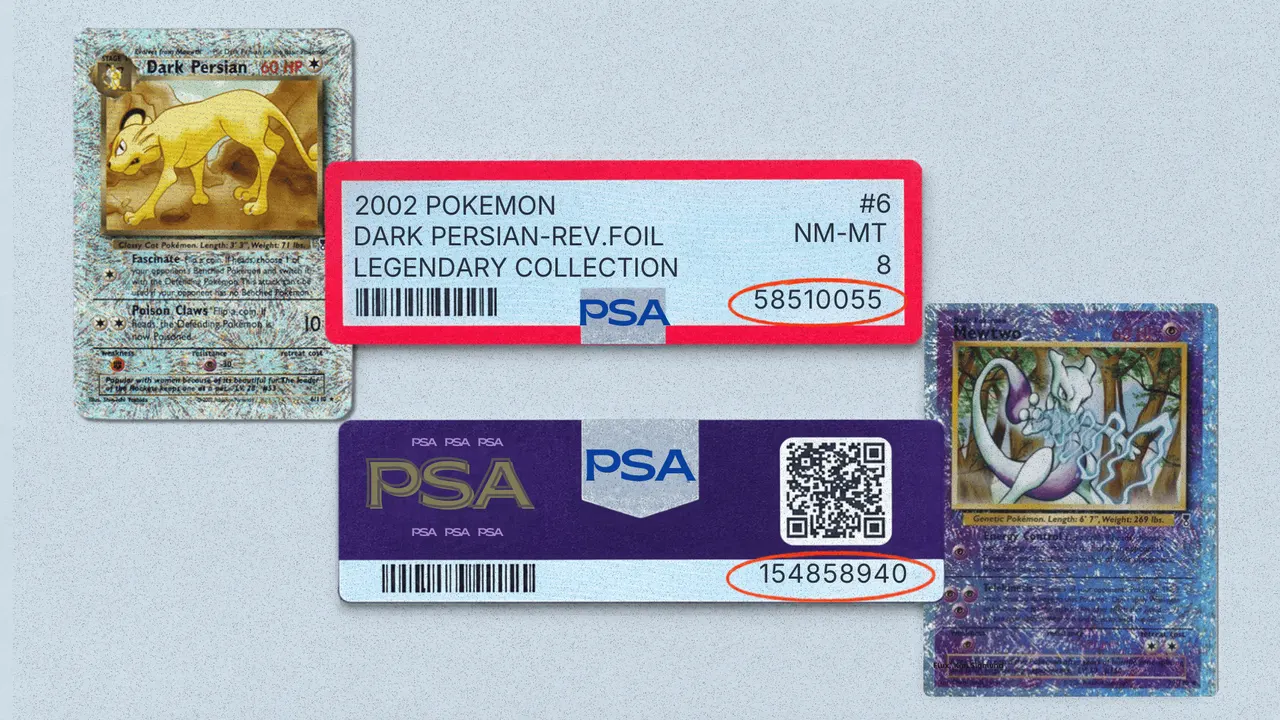
Every slab has a unique certification number anyone can look up on PSA's site. CheckCOA says the fake labels reuse real numbers from genuinely graded cards. In one post it documents, the front and back point to two different certificates: a 2002 Dark Persian graded NM-MT 8 and a 2002 Mewtwo graded EX 5. PSA has deactivated some of the numbers, but at least one, a One Piece Roronoa Zoro graded GEM MT 10, was still active.
The backdrop is a booming market. PSA's 2025 fraud report, published in May, says it intercepted fraudulent items with a projected market value above $200 million last year. That is fraud prevented, not collector losses. Counterfeit Pokémon cards submitted to PSA rose 125% in a year, against 5.1% for sports cards.
How to check a graded Pokémon card
Open the PSA certificate page and look at the front and back scans, which PSA publishes for many cards. Compare centring, corners and print flaws with the card on sale, and ask the seller for sharp photos of both sides of the slab. No photo on the page is not proof of fraud, since not every entry has one, but it calls for extra caution. Be wary of cracked or re-cased slabs and "label only" sales.
Some collectors are already asking for slabs with NFC or RFID chips to make copying harder.
Apps worth a look
SUMO: the number puzzleTap the right tiles, add them up, hit the target. Easy to learn, hard to master. Free, for all ages.
Dialo: learn languages by speakingTalk to an AI conversation partner; every sentence comes back corrected and explained in your language. 9 languages, A1 to C2.
ediviewer: read EDI files like documentsOpen EDIFACT and X12 messages, see every segment explained, convert to JSON/XML, export PDF and Excel. Runs locally, no upload.
giftdetect: the right gift in minutesPick who it is for, the occasion and their personality. The search engine reads product descriptions from local shops and ranks what fits. Free, no sign-up.
More from this day
See all →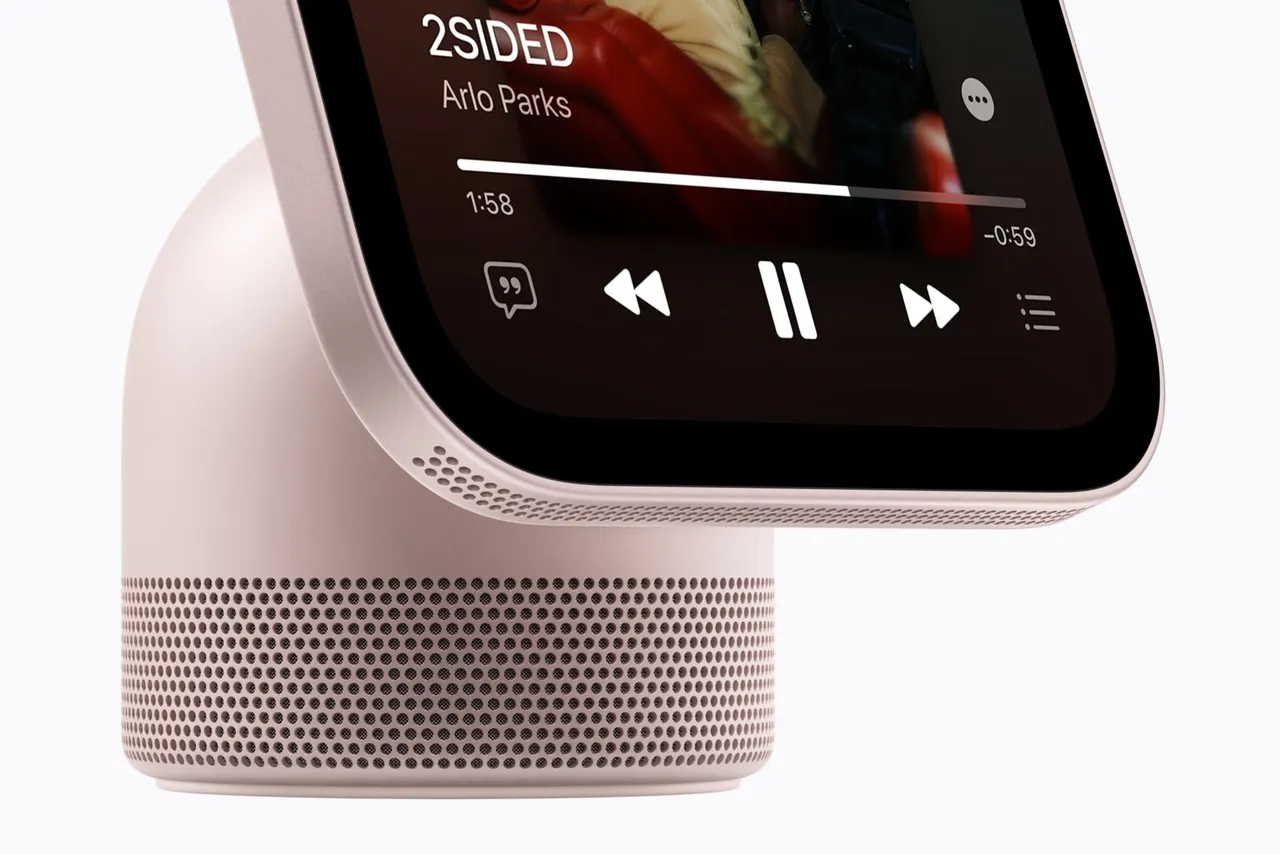
Apple's new smart home hub can show household members' messages
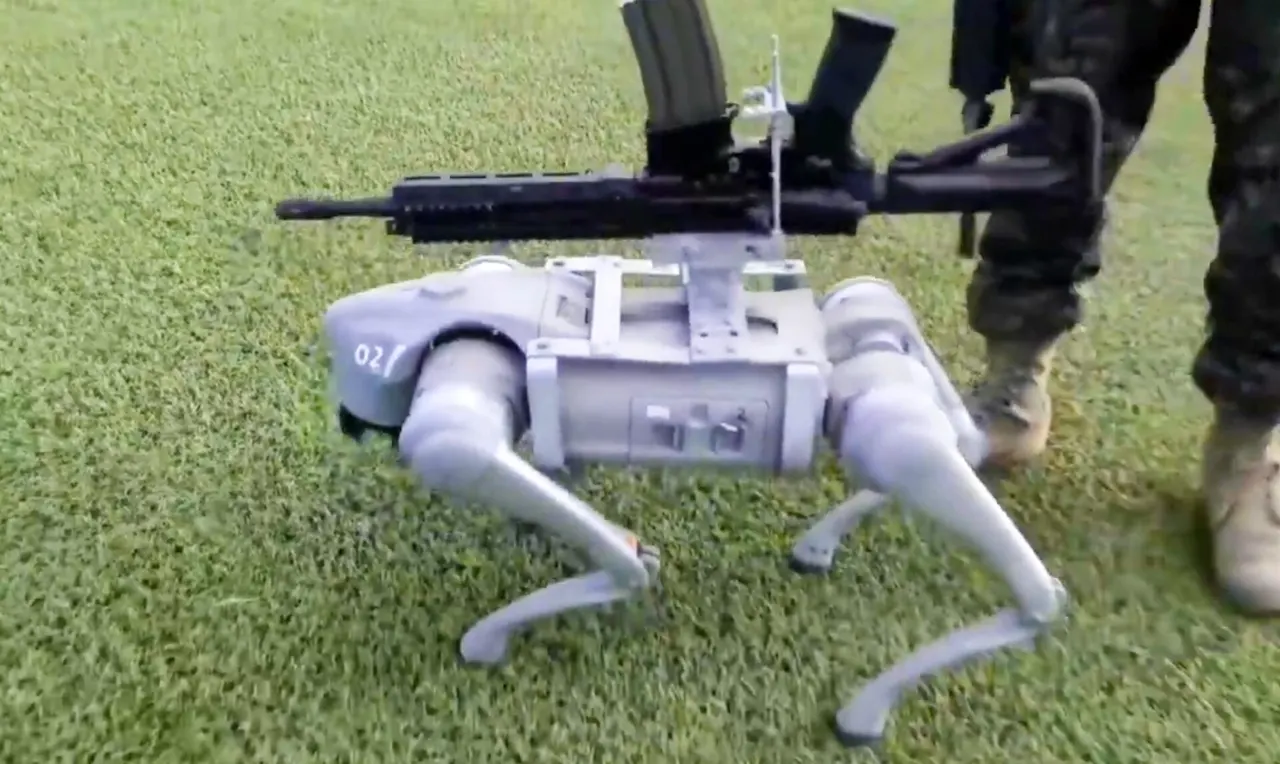
El Salvador sends armed robot dogs to Haiti to hunt gangs

Google Maps in South Korea: coordinates gone, map data heads abroad
Monex Securities data breach: 1.13 million emails exposed
More in: Other
See all →
Apple TV's Neuromancer Arrives January 22, 42 Years After the Book
Figeac fibre optic delay: a pole too tall, a street too narrow
Balistyka Tactical Kilt Fold: Ukraine's Armoured Skirt, Gen 2