Fake F-16 and missile photo fooled Poland during RCB alert
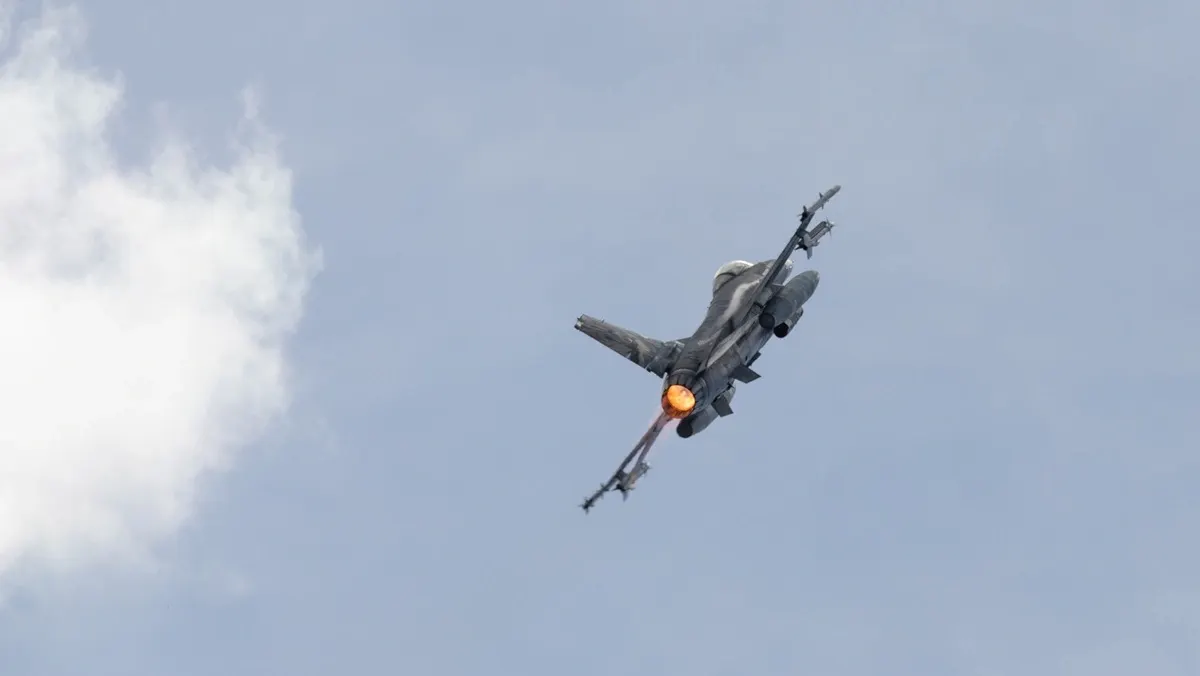
After air-raid sirens woke eastern Poland, a photo of jets and a missile spread fast. It was fake, and the argument that nobody had time to fake it helped it travel.
 SUMO· the number puzzle
 Dialo· learn languages by speaking
 ediviewer· read EDI files like documents
 giftdetect· the right gift in minutes
A photo of fighter jets and a missile in the sky went around Polish social media within minutes of a real alarm. It was not real. It looked just plausible enough, and the timing did most of the work.
On Friday morning, sirens woke people in eastern Poland. The Government Security Centre (RCB) sent an alert warning of a possible air attack and told people to find a safe place. Some time later came reports of an unidentified object that had fallen in Biłgoraj county, in the Lublin region.
Then the picture appeared. Jets, a launched missile, and a poster who supposedly lived in the area. Everything fitted: alert, sirens, image. Commenters asked whether it was a fake. The defence was that the location and the time matched, and that nobody could have faked it so quickly. Which, as the author of the original commentary points out, misunderstands how fast a fake can be made today.
Why did the fake F-16 photo work?
Most people have no idea how fighter jets behave in flight or what a missile looks like in the sky, so the objections (the missile is too big, jets don't fly like that) only come from those who know. Add a plausible local source, a friend of a cousin of an aunt in a ministry, and a country that has seen things lately it once thought impossible. The image fit the fear.
The author recalls a similar case in Łódź, where two loud bangs shook buildings. Many people reached for their own experience, such as a gas explosion. Those who explained it was a sonic boom from jets were right, but often mocked the people who had simply never heard one.
What can you do about it?
The advice is simple: when a striking photo stirs up emotion, don't share it straight away. Ask a few questions, dig yourself or wait for an explanation. A weird-looking image should raise a red flag. The catch is that a photo with a believable backstory and a local sender gets past that instinct.
The author also puts responsibility on those who post and forward such content. The chase for hearts and being first with sensational news often wins.
Apps worth a look
SUMO: the number puzzleTap the right tiles, add them up, hit the target. Easy to learn, hard to master. Free, for all ages.
Dialo: learn languages by speakingTalk to an AI conversation partner; every sentence comes back corrected and explained in your language. 9 languages, A1 to C2.
ediviewer: read EDI files like documentsOpen EDIFACT and X12 messages, see every segment explained, convert to JSON/XML, export PDF and Excel. Runs locally, no upload.
giftdetect: the right gift in minutesPick who it is for, the occasion and their personality. The search engine reads product descriptions from local shops and ranks what fits. Free, no sign-up.
More from this day
See all →



More in: Other
See all →
Tech support man talked client out of paying him for malware cleanups

Family streaming plan with empty slots? How to share and save
INDUROS delivery robot hits German streets under special permit