Facebook is not 'free' if you pay with data, EU adviser says
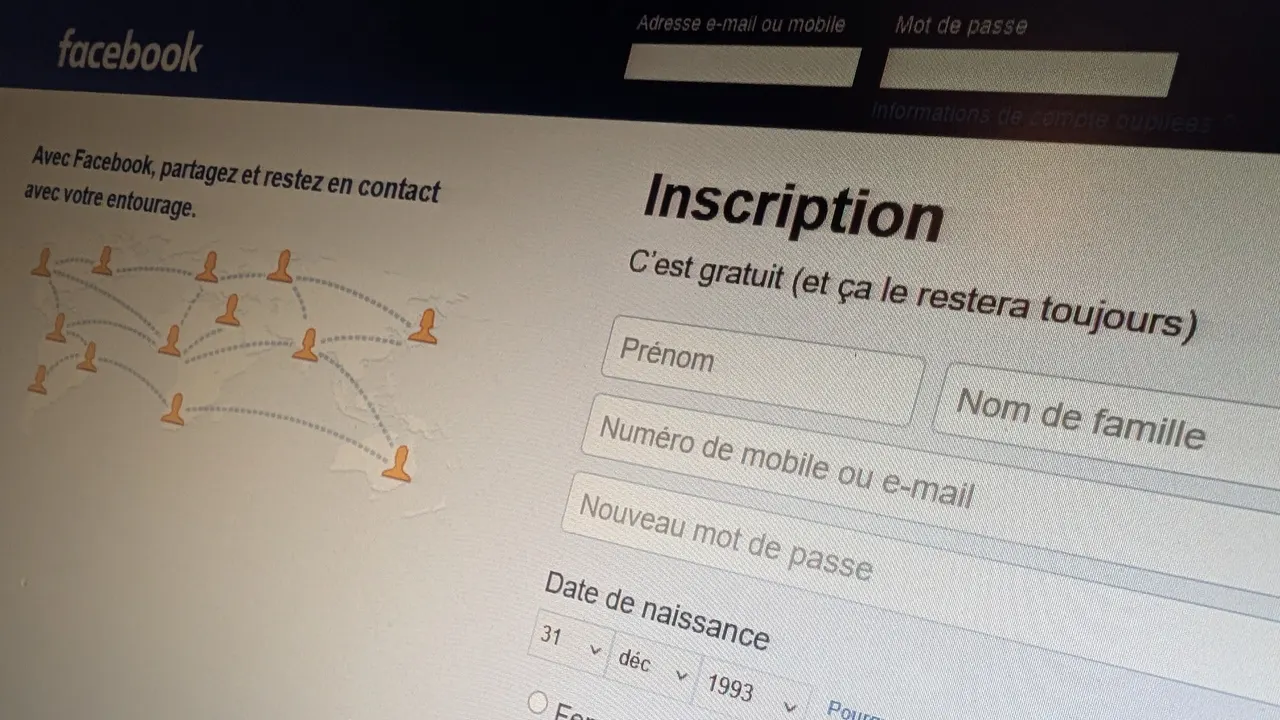
For years Facebook's homepage promised it was free and always would be. An adviser to the EU's top court now says paying with your data means it isn't.
 SUMO· the number puzzle
 Dialo· learn languages by speaking
 ediviewer· read EDI files like documents
 giftdetect· the right gift in minutes
"It's free and always will be." If you used Facebook before 2019, you saw that slogan splashed across the homepage. Laila Medina, an advocate general at the Court of Justice of the European Union (CJEU), says it was misleading and clashes with EU law.
In an opinion issued on 19 November 2026, Medina wrote that "a social network is not free when you pay with your data to use it." The case was brought against Meta by a German consumer protection association.
Why does Facebook's "free" claim matter?
Medina relies on the EU directive on unfair commercial practices. Her view is that handing over personal data for commercial purposes can be a form of payment, even if no money changes hands. That data has economic value for the operator of a social network, she says.
Her reasoning is that limiting "payment" to cash would weaken consumer protection in the digital economy, where users may not know what their data is worth or how far it is used for advertising.
Complying with the GDPR, Europe's data protection law, does not solve this, she adds. The unfair practices directive still applies. Only data processing needed to provide the service or meet legal obligations falls outside the rule.
Can companies still offer services for data?
Yes. Medina says businesses remain free to offer services in exchange for personal data. What they can't do is describe those services as "free" when that exchange is required. And the fact that users keep their data doesn't change this: using it commercially still counts as payment, she argues.
What happens next?
An advocate general's opinion doesn't bind the CJEU, and the court could go another way later. In practice, though, the judges usually end up aligned with it. If they follow Medina, the "free" label that sits on much of the European web could become a legal problem for any service paid for with data.
Apps worth a look
SUMO: the number puzzleTap the right tiles, add them up, hit the target. Easy to learn, hard to master. Free, for all ages.
Dialo: learn languages by speakingTalk to an AI conversation partner; every sentence comes back corrected and explained in your language. 9 languages, A1 to C2.
ediviewer: read EDI files like documentsOpen EDIFACT and X12 messages, see every segment explained, convert to JSON/XML, export PDF and Excel. Runs locally, no upload.
giftdetect: the right gift in minutesPick who it is for, the occasion and their personality. The search engine reads product descriptions from local shops and ranks what fits. Free, no sign-up.
More from this day
See all →
GTA VI Japan censorship: the shower scene and missing blood slider

TikTok Shop in Poland hit 26 million zloty in sales in September

GTA 6 developer at Rockstar fears layoffs as UK staff vote on union
TikTok Family Pairing gets a rebuild, but parents see only a preview
More in: Web & Dev
See all →
.zr domain: who owns a dead country code, and why .su survives
Arcom rules YouTubers must give all 2027 candidates equal time

Wikipedia owner Wikimedia gets Russian warning of 'undesirable' status