FAA ground stop: a router swap at a remote Arkansas site
A new router at a remote radio site in El Dorado, Arkansas, sat next to all 22 US air traffic centers on the network map. The FAA's nationwide ground stop followed.
 SUMO· the number puzzle
 Dialo· learn languages by speaking
 ediviewer· read EDI files like documents
 giftdetect· the right gift in minutes
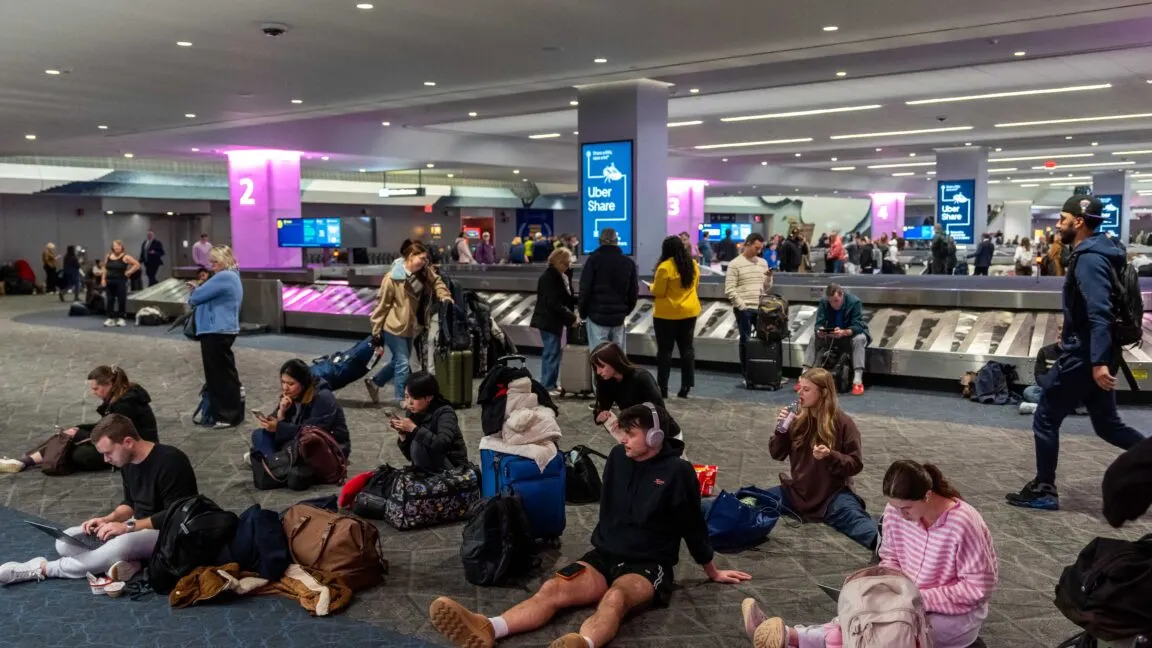
The FAA nationwide ground stop that stranded more than 1 million passengers began, by the agency's own early account, at a remote radio site in Arkansas where a contractor was swapping a router. The government is expected to announce the official root cause soon.
FAA Administrator Bryan Bedford said investigators are "very close" to an answer, and Transportation Secretary Sean Duffy plans to present the findings at a news conference as soon as Friday, November 20. The ground stop on November 13 was only the third nationwide one the FAA has ever issued. It lasted more than four hours. More than 12,000 flights were canceled that day, and the total passed 20,000 over the weekend.
What caused the FAA ground stop?
According to an FAA post on November 15, data began flooding the FAA Telecommunications Infrastructure (FTI) network, with 1,000 connection attempts every 4 to 5 seconds. FTI carries flight data, voice and video to air traffic control centers. The flood caused instability in aircraft communications and radar feeds at 17 of the 22 en-route centers.
The early investigation pointed to a radar site in Amarillo, Texas, and a radio site in El Dorado, Arkansas. Contractor L3Harris was installing a new Juniper Networks router at El Dorado to replace a 25-year-old Cisco one, and had recently put in a similar router in Texas. The FAA has since paused the Juniper rollout and switched the installed units off, going back to the old Cisco routers.
Who was overseeing the upgrade?
That is the open question. The PASS union, which represents FAA technicians, says none of its members were involved in the upgrades. CNN reported, citing the union and two sources, that an L3Harris engineer did the work without direct FAA oversight, and the FAA technician only escorted him in.
Philip Mann, a former FAA technician who spent 17 years at the agency and now advises on aviation safety, says the problem was basic risk management. The site looks remote on a map, but on the network diagram that router sat right next to all 22 centers, so the potential impact was nationwide. In that case, he says, you take the maximum precautions, including working at night when traffic is light. Duffy has reportedly acknowledged that the FAA mixed up a facility's physical location with how far its service reaches.
Apps worth a look
SUMO: the number puzzleTap the right tiles, add them up, hit the target. Easy to learn, hard to master. Free, for all ages.
Dialo: learn languages by speakingTalk to an AI conversation partner; every sentence comes back corrected and explained in your language. 9 languages, A1 to C2.
ediviewer: read EDI files like documentsOpen EDIFACT and X12 messages, see every segment explained, convert to JSON/XML, export PDF and Excel. Runs locally, no upload.
giftdetect: the right gift in minutesPick who it is for, the occasion and their personality. The search engine reads product descriptions from local shops and ranks what fits. Free, no sign-up.
More from this day
See all →
GPT-6.2 Sol and Astra face backlash from early testers

SEC charges 8 firms over fake crypto platforms in $37M fraud

Kalshi asks New York court to hear it before a possible shutdown order

Google search homepage drops the Search button for AI tools
More in: Security
See all →
Gootloader malware takedown: 100+ servers cleared in global raid
Shonan Beauty Clinic data breach hits 1.62 million people

VMware vCenter flaw under attack as Broadcom patches security holes