EV charger in a shared garage: neighbours may bill your power
In Spain your building can't refuse an EV charger in the shared garage. But in some old buildings you'll pay the community's electricity rate, not your own.
 SUMO· the number puzzle
 Dialo· learn languages by speaking
 ediviewer· read EDI files like documents
 giftdetect· the right gift in minutes
Putting an EV charger in a shared garage in Spain is your legal right. Saving money on it is another matter. In some buildings you can't pick your own electricity tariff, and the residents' association pays the bill first and then charges you.
The Horizontal Property Law is clear: if you want a charger for your electric car, you tell the community and it can't say no. Some neighbours have found this out the hard way. The Madrid association of property administrators (Colegio de Administradores de Fincas) still suggests giving the community some room and proposing a joint project, so that neighbours who buy an EV later can connect easily. If no deal is reached, the person who wants the charger pays for the cabling to their own space.
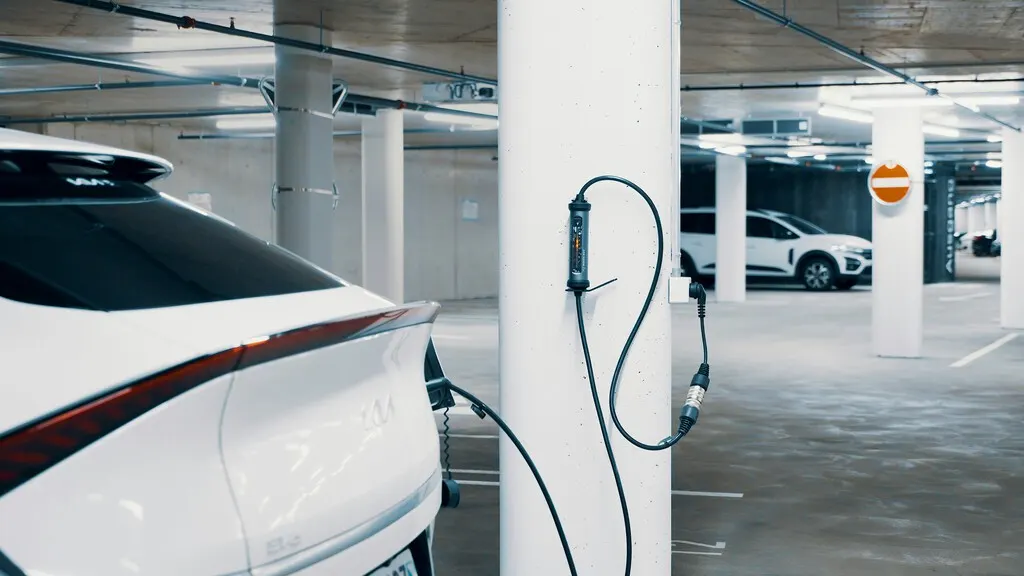
How is an EV charger connected in a shared garage?
There are three options, and each one shapes your bill. You can tap into your own home's supply, which works if the building sits above the garage and the wiring is fairly modern. You can open a new line with its own meter, so you choose the contracted power and the tariff. Or you can share a collective installation.
The third case is the awkward one. A metering system records consumption per parking space, but the owner must accept the tariff the community agreed on. According to the Madrid administrators, older buildings often have wiring layouts, meter banks, limited power or tight spaces that make a collective solution more practical.
Who pays the electricity for the EV?
The community pays the supplier, then the administrator charges each charger owner the agreed price for the kWh measured. You pay your usual fees plus an extra for the power you used.
That hurts, because home charging is where the savings are. Offers around 0.10 euros/kWh or less can bring city driving to about 1.6 euros per 100 km, and up to 3 euros on the motorway in the worst case. A night tariff for EVs saves the most, but only if you can choose it.
This does happen. Xataka knows of several garages built in the 1960s in Madrid working this way, mainly because there's no room for new branches with separate meters. The owner pays the community's price and depends on the power the community has contracted.
Apps worth a look
SUMO: the number puzzleTap the right tiles, add them up, hit the target. Easy to learn, hard to master. Free, for all ages.
Dialo: learn languages by speakingTalk to an AI conversation partner; every sentence comes back corrected and explained in your language. 9 languages, A1 to C2.
ediviewer: read EDI files like documentsOpen EDIFACT and X12 messages, see every segment explained, convert to JSON/XML, export PDF and Excel. Runs locally, no upload.
giftdetect: the right gift in minutesPick who it is for, the occasion and their personality. The search engine reads product descriptions from local shops and ranks what fits. Free, no sign-up.
More from this day
See all →
ONNX Runtime vanishes from GitHub as malware hits PyPI

Vigo slot machine tester loses gambling addiction work case

Android apps must justify location access from January, Google says

Optimizely malware attack hit 178 sites, including Zoom and BBC
More in: Automotive
See all →
Rivian Autonomy Early Access: Who Can Join the Beta
Waymo highway ban: California halts robotaxi freeway rides
Tesla Assisted Driving (ex-FSD) gets Finland's green light