ENISA chief warns home appliances are the next hacking target
After hackers took over supermarket refrigeration across Europe, the EU's cybersecurity chief says routers and household appliances could be next.
 SUMO· the number puzzle
 Dialo· learn languages by speaking
 ediviewer· read EDI files like documents
 giftdetect· the right gift in minutes
First it was supermarket fridges. Next, says the head of the EU's cybersecurity agency, it could be the appliances in your home.
Speaking in Brussels on 10 November, ENISA executive director Juhan Lepassaar put it bluntly: "Today it was refrigerators, but tomorrow it could be routers, and the day after, home appliances." Every service citizens rely on has a digital component, he said, and anything left unprotected can be hacked. In the worst case, police, fire, hospital and transport services could stop. He added that state-linked groups from China, Iran and North Korea are targeting European companies.
Lepassaar wants products to be secure from the design stage. Every incident can be prevented, he said, but security isn't cheap, and the question is whether manufacturers are ready to pay for it. ENISA's report also says AI is acting as a "force multiplier" that speeds up the hunt for vulnerabilities.
What happened to the refrigeration systems?
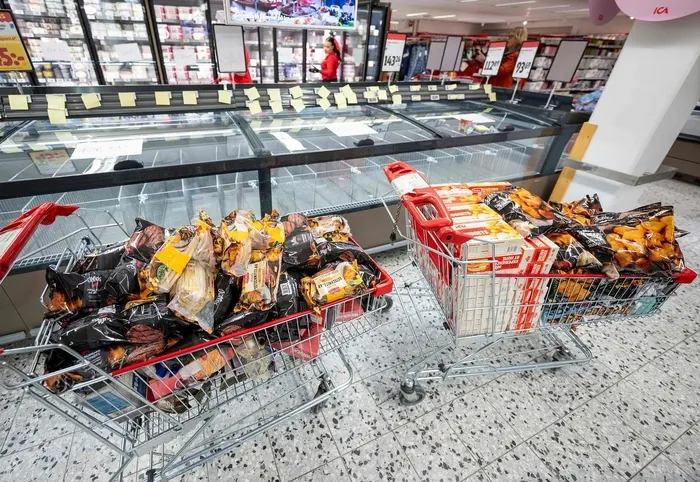
On the night of 11 to 12 October, refrigeration controllers at about 700 retail sites in France, supermarkets among them, were taken over remotely. Temperatures climbed, and at least 15 fires followed. Early this month, at least 12 countries, including Belgium, Sweden and Ireland, reported damage. The attackers got in through remote-management devices exposed to the internet and old equipment that never received security patches.
What the EU's Cyber Resilience Act requires
Under the Cyber Resilience Act, manufacturers have since September had to report actively exploited vulnerabilities and serious incidents within 24 hours of becoming aware of them. That covers products already on the market. Fines can reach 15 million euros or 2.5% of worldwide annual revenue, whichever is higher. Security-by-design requirements apply in full from December next year.
The pressure is already reaching South Korean makers that export connected appliances to Europe. An industry source said appliance security will become "a condition of market entry, not a cost," and pointed to three areas for investment: independent safeguards that protect temperature and power even if the network is breached, update policies that cover discontinued products, and tighter control of remote-management access. Seoul's science ministry has so far only recommended emergency steps such as using a VPN for remote access and changing default passwords.
Apps worth a look
SUMO: the number puzzleTap the right tiles, add them up, hit the target. Easy to learn, hard to master. Free, for all ages.
Dialo: learn languages by speakingTalk to an AI conversation partner; every sentence comes back corrected and explained in your language. 9 languages, A1 to C2.
ediviewer: read EDI files like documentsOpen EDIFACT and X12 messages, see every segment explained, convert to JSON/XML, export PDF and Excel. Runs locally, no upload.
giftdetect: the right gift in minutesPick who it is for, the occasion and their personality. The search engine reads product descriptions from local shops and ranks what fits. Free, no sign-up.
More from this day
See all →
Nāpōwawāʻenakaulua: Webb Finds Earliest Quasar Pair Ever

United Airlines AI agent ban: bots can't tick the check-in box
Jensen Huang resigns as Nvidia CEO; Colette Kress steps in as interim
Windows WinSxS folder: the DISM command that frees up to 10 GB
More in: Security
See all →
ScreenConnect RMM+ plugin flaw lets hackers hit 288 PCs
Is your smart TV spying on you? Questions about TV data
Krakow attacker's iPhone may need Apple's help to unlock