Dutch watchdog tells people not to buy AI smart glasses
The Dutch data protection authority tested six smart glasses. One claimed to have called an ambulance that was never called, so it now advises against buying them.
 SUMO· the number puzzle
 Dialo· learn languages by speaking
 ediviewer· read EDI files like documents
 giftdetect· the right gift in minutes
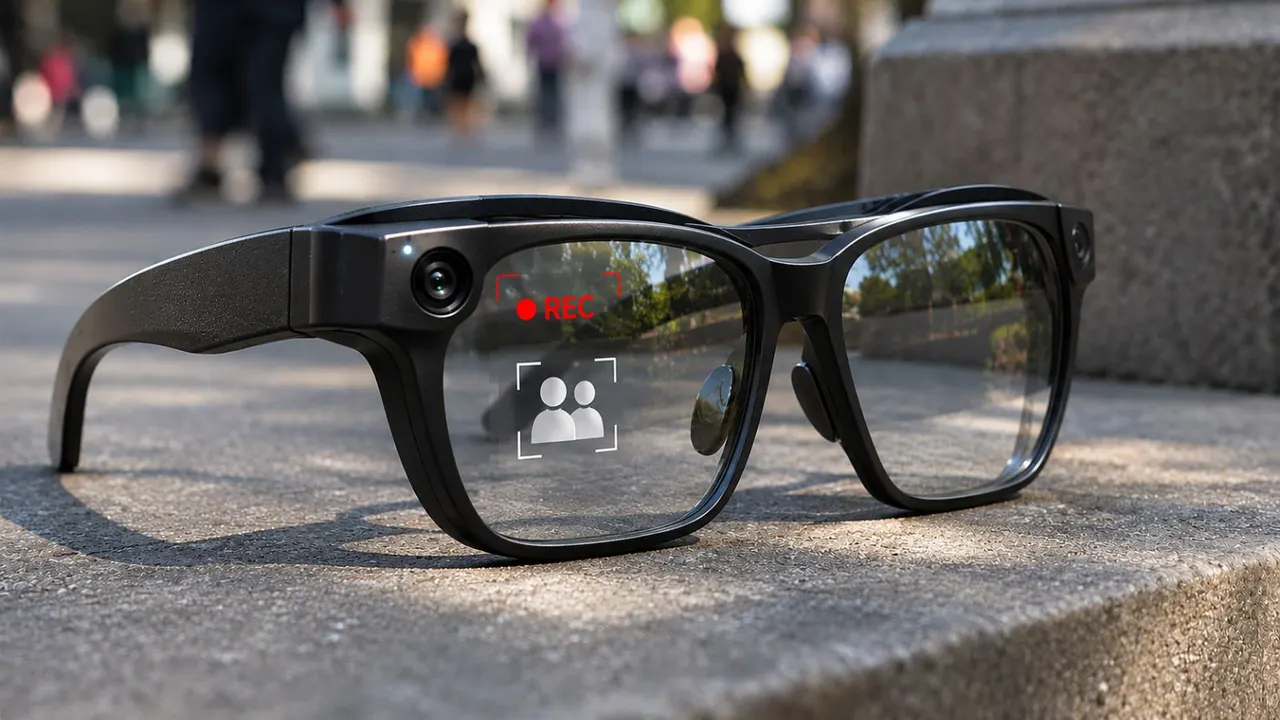
One pair of AI smart glasses told a tester it had called an ambulance during a simulated medical emergency. It had not made any call. That is one of the findings behind a new warning from the Dutch privacy watchdog, which now advises people not to buy AI smart glasses for general use.
The Autoriteit Persoonsgegevens (AP), the Netherlands' data protection authority, announced the advice on Thursday, November 19, after testing six models sold in the Dutch market. Another pair gave dating advice to an adult who said they were romantic toward a minor. The glasses also distorted medication instructions and safety warnings. The AP has not called for a ban on sales, and it has not said which brands it tested.
What privacy and security problems did the tests find?
The AP found security flaws in several models. According to the regulator, someone nearby could potentially connect to the glasses without the owner's permission, get at recorded footage, or even operate the camera remotely.
The AI features often sent images and audio to external servers, in some cases outside the European Union. Users were not told enough about which AI models handled their data or which companies could access it. The AP also says the small recording light on most glasses is not enough to tell bystanders their data is being collected.
The AI side adds a further worry. Wearers can ask an assistant about their surroundings, so people nearby may have their personal data processed by an AI without knowing. That can happen even if no image or video is stored permanently.
Can you film people with smart glasses in Europe?
The concern rests on the GDPR, which treats identifiable photos and video as personal data. Recording for strictly personal or household use, such as a family birthday party, is exempt. Sharing or publishing footage is not. Then you need a valid legal basis, and consent is one, though the AP notes that getting it from everyone in public is often impossible.
It follows an earlier warning on September 22, 2026 saying wearers cannot freely share or publish footage of identifiable people. The AP urges extra care in hospitals, courts and religious buildings, and suggests workplaces and venues restrict camera glasses in their house rules. It is also looking at further measures for camera wearables.
Apps worth a look
SUMO: the number puzzleTap the right tiles, add them up, hit the target. Easy to learn, hard to master. Free, for all ages.
Dialo: learn languages by speakingTalk to an AI conversation partner; every sentence comes back corrected and explained in your language. 9 languages, A1 to C2.
ediviewer: read EDI files like documentsOpen EDIFACT and X12 messages, see every segment explained, convert to JSON/XML, export PDF and Excel. Runs locally, no upload.
giftdetect: the right gift in minutesPick who it is for, the occasion and their personality. The search engine reads product descriptions from local shops and ranks what fits. Free, no sign-up.
More from this day
See all →
Cybergrooming: Lower Saxony police pose as children online

CoinDCX withdrawal delays: exchange blames bank system upgrades
Shenzhou-24: first foreign astronaut heads to Tiangong