Dubai Metro Blue Line trains get cameras that count riders
Dubai has shown the design of its Blue Line metro cars: cameras that spot obstacles on the track, others that count passengers, and a project now 29% built.
 SUMO· the number puzzle
 Dialo· learn languages by speaking
 ediviewer· read EDI files like documents
 giftdetect· the right gift in minutes
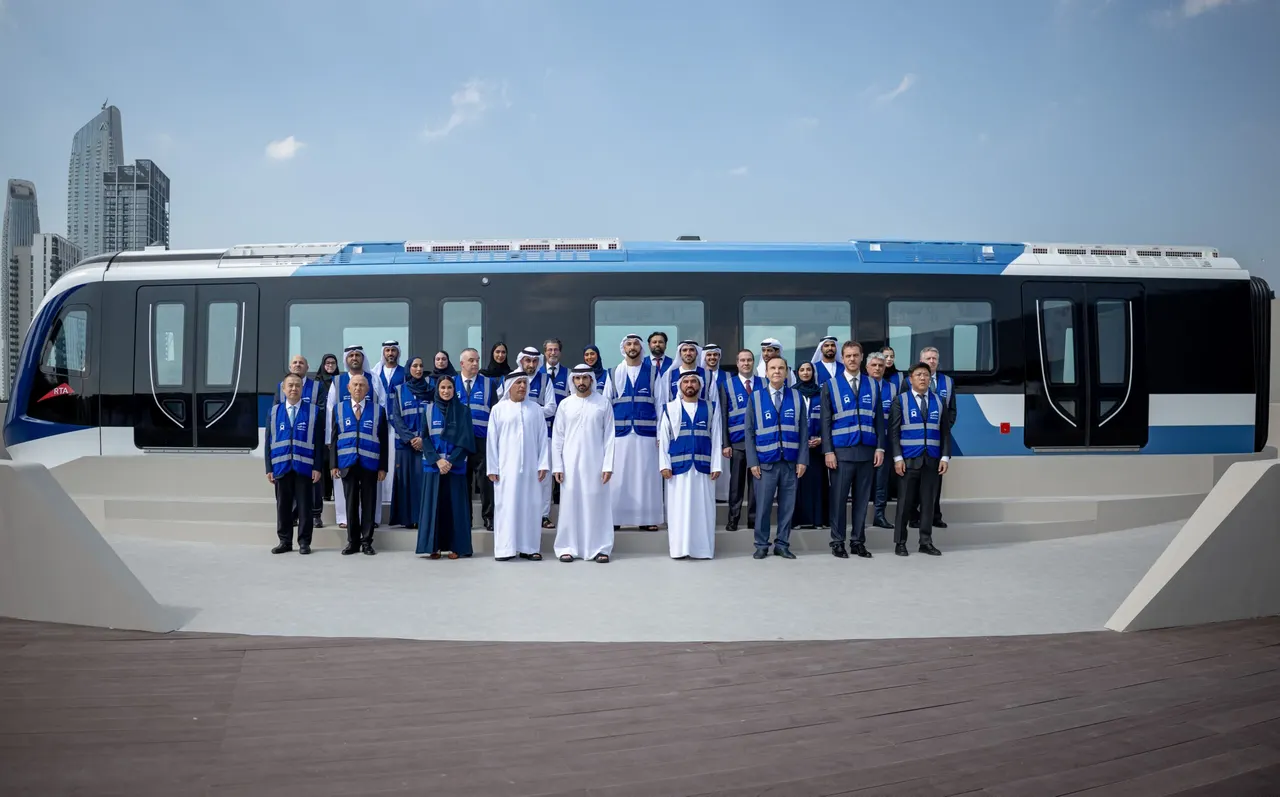
The new Dubai Metro Blue Line trains will watch the track ahead and count the people on board. Dubai's Roads and Transport Authority (RTA) showed the design of the cars on Sunday, 22 November 2026, during a visit by Crown Prince Sheikh Hamdan bin Mohammed to the project site in Dubai Festival City.
To be clear, this is a look at the train design, not the start of service. The cars carry smart cameras that detect obstacles on the rails, plus others that count passengers and measure how crowded each car is. Image and data processing runs in real time, and the RTA says the passenger data can help manage capacity.
The cars have a stated design capacity of 675 passengers per trip and a total capacity of 1,246. The official statement does not explain the difference between the two figures.
What are the Blue Line train cars like?
There are three classes: Gold, Silver, and a car for women and children. Gold cabins have wireless chargers, digital screens for information and ads, and lighting that adapts to its surroundings. The other cars have screens showing the route and stations, wide windows and a layout meant to make moving around easier.
How far along is the Blue Line?
The RTA puts overall progress at 29%. Tunnel boring has reached 55%, bridge works 17%. The line runs 30 kilometres, 15.5 of them underground, with 14 stations, three of which connect to existing metro lines. It includes a 1.3-kilometre bridge over Dubai Creek and will serve Dubai Festival City, International City, Dubai Silicon Oasis, Academic City and Dubai Creek Harbour. Those percentages do not mean the line is ready for passengers.
The visit also covered a planned research and development centre and a train systems simulation lab, built with CASCO. It will test signalling, communications and control systems before they enter service. The RTA aims to cut testing time by 85% and push punctuality above 99.7%. Those are goals, not results.
The RTA also presented ARIIS, an automated rail inspection system that uses LiDAR (laser-based distance sensing) and AI to assess infrastructure and find defects. Its targets are 80% less inspection time and 50% fewer resources.
Apps worth a look
SUMO: the number puzzleTap the right tiles, add them up, hit the target. Easy to learn, hard to master. Free, for all ages.
Dialo: learn languages by speakingTalk to an AI conversation partner; every sentence comes back corrected and explained in your language. 9 languages, A1 to C2.
ediviewer: read EDI files like documentsOpen EDIFACT and X12 messages, see every segment explained, convert to JSON/XML, export PDF and Excel. Runs locally, no upload.
giftdetect: the right gift in minutesPick who it is for, the occasion and their personality. The search engine reads product descriptions from local shops and ranks what fits. Free, no sign-up.
More from this day
See all →Hugendubel, Tolino Cloud and eBook.de offline after cyberattack

YouTube app icons: 7 new designs, some retro, are in the works

PC repair job interview: the voltage switch trap he suggested

Google's new 3D emoji need 6GB RAM and 10GB storage, now explained
More in: Other
See all →
South Korea's Suneung exam alert caught 49 students with phones
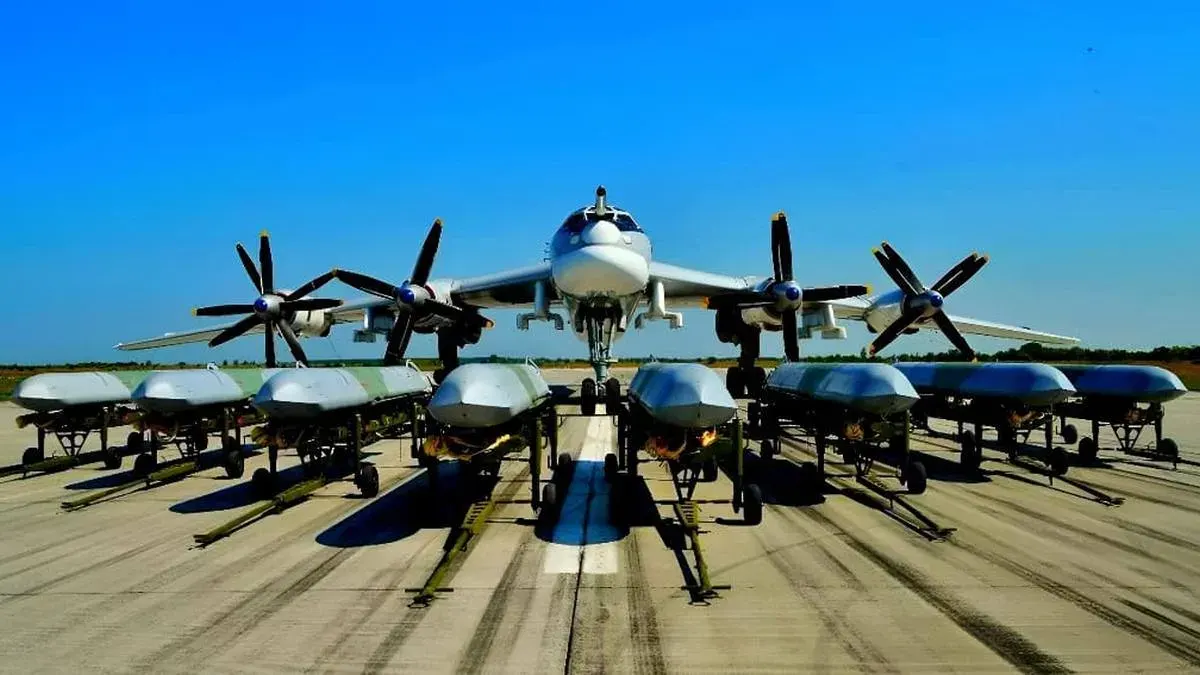
Kh-101 missiles found at three crash sites in Poland, prosecutors say
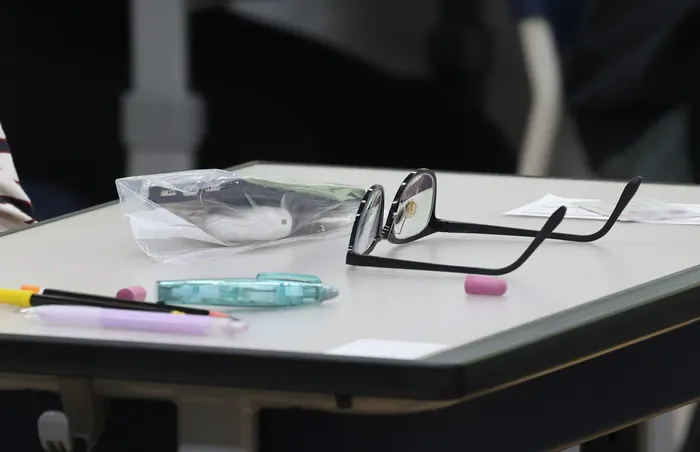
South Korea Reports 5 Suneung Smart Device Cheaters to Police