Deichmann data leak: why German online shops keep getting hacked
Deichmann, Snipes, Office Partner and Mindfactory all reported break-ins within weeks. Black Week may be one reason attackers are active right now.
 SUMO· the number puzzle
 Dialo· learn languages by speaking
 ediviewer· read EDI files like documents
 giftdetect· the right gift in minutes
If you ordered something from a German web shop this autumn, there is a fair chance you have already received a breach notice. After the Deichmann data leak, announced this week, the list of affected retailers is getting long.
Notebooksbilliger reported unauthorised access to customer data in October, involving a five-figure number of customers. Mindfactory and Office Partner (the latter because of a leak at a service provider) had to tell customers in early and mid-November about cyberattacks and possible theft of personal data. This week, Deichmann and Snipes reported unauthorised access to customer and order data. Separately, the Cologne-based e-commerce provider Cleverbridge said attackers had copied payment card data stored on its platform.
Why are data leaks piling up now?
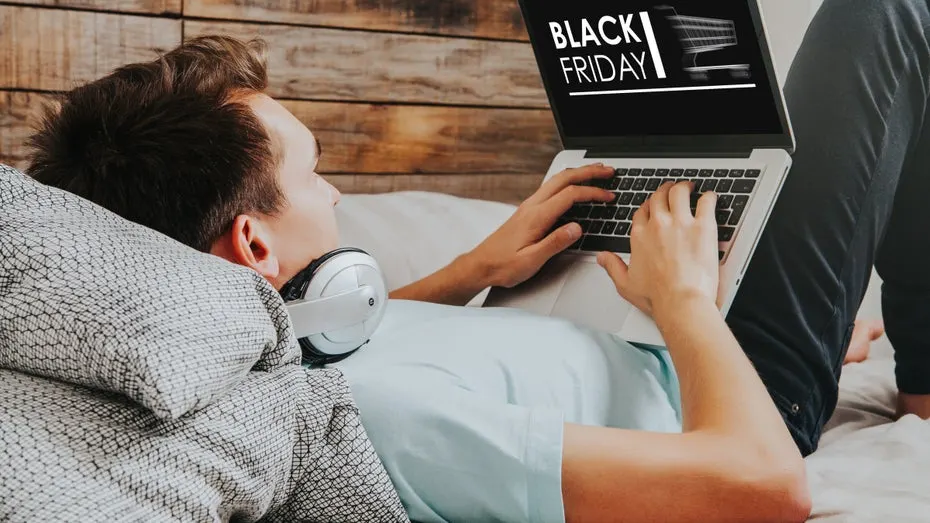
It could be chance. It might not be. The weeks around Black Friday are attractive for criminals: people order from many shops at once, so confirmation and shipping emails flood inboxes and fake ones blend in. Anyone holding real order data can send believable messages about delivery problems, open payments or refunds, and try to fish for more. For shops, it is also the worst moment to be hit. Even a few hours offline in the busiest sales period can be costly, which makes them easier to blackmail.
A Bitkom study shows how common this has become: 55 percent of surveyed consumers have already been told their data was affected, 63 percent among younger people. Three in four fear misuse.
What should customers do after a data breach?
Under the GDPR, companies must notify the data protection authority and inform affected customers, usually by email, in a way that explains what happened and what to do. For customers, the advice is practical:
- Change your password, but go to the shop's real website instead of clicking links in the email, since phishing mails imitate breach notices.
- Turn on two-factor authentication where it is offered. Passkeys are a password-free alternative.
- Never reuse a password across services.
- If payment data was taken, watch your bank and card statements and dispute suspicious charges quickly. A bare IBAN is usually less risky than full credit card details.
Compensation depends on the case. Article 82 of the GDPR allows claims for material and immaterial damage, and the European Court of Justice ruled on 14 December 2023 (C-340/21) that a justified fear of future misuse can count as immaterial damage. But not every successful hack means the company broke the GDPR, and there is no flat amount for victims.
Apps worth a look
SUMO: the number puzzleTap the right tiles, add them up, hit the target. Easy to learn, hard to master. Free, for all ages.
Dialo: learn languages by speakingTalk to an AI conversation partner; every sentence comes back corrected and explained in your language. 9 languages, A1 to C2.
ediviewer: read EDI files like documentsOpen EDIFACT and X12 messages, see every segment explained, convert to JSON/XML, export PDF and Excel. Runs locally, no upload.
giftdetect: the right gift in minutesPick who it is for, the occasion and their personality. The search engine reads product descriptions from local shops and ranks what fits. Free, no sign-up.
More from this day
See all →


More in: Security
See all →
MiniMax data exposure: secret links sent to AI were opened later
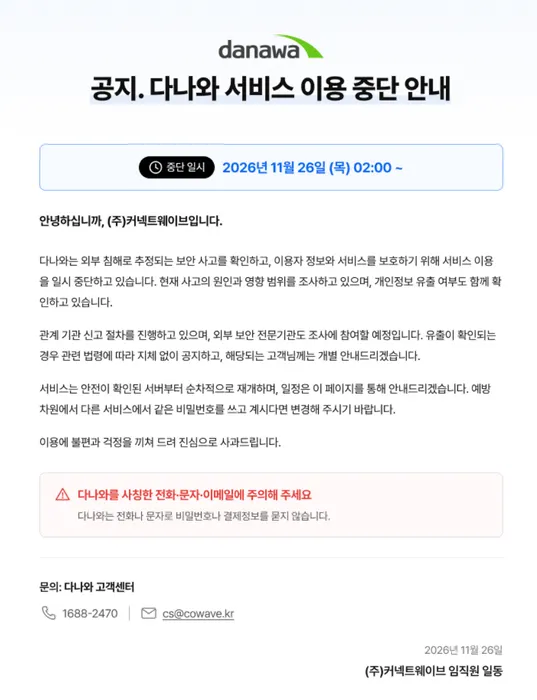
Danawa down: Korean price-comparison site halts service after breach
Huawei convicted in US: a stolen T-Mobile robot and Iran sanctions