dBFlash noise radar: France's first approved one can't fine anyone yet
MicrodB says its dBFlash is France's first approved noise radar. It can spot loud exhausts, but drivers still can't be fined because the law isn't there yet.
 SUMO· the number puzzle
 Dialo· learn languages by speaking
 ediviewer· read EDI files like documents
 giftdetect· the right gift in minutes
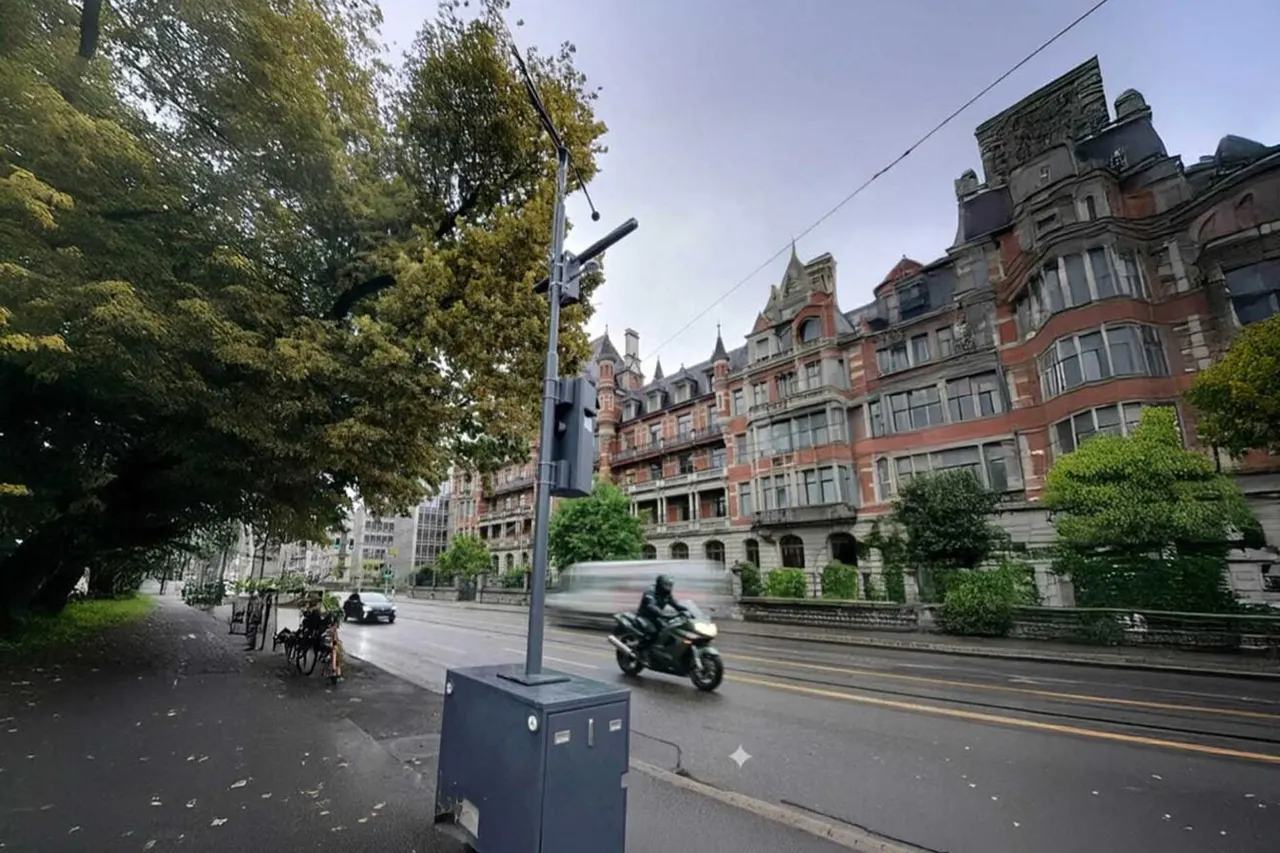
France may finally have a working noise radar, but it can't hand out a single fine. Lyon-based acoustics firm MicrodB says its dBFlash is the first noise radar approved by the national metrology and testing laboratory, the LNE. The catch: the law that would let towns actually ticket loud vehicles hasn't been passed.
What is the dBFlash noise radar?
The device, built with road-equipment specialist Cegelec EDR, mounts on a lamp post or a dedicated pole. It can also run on a battery, so it can be moved from street to street. It spots each vehicle on camera in both directions, then measures its noise with a class 1 sound level meter, the most precise category under the IEC 61672 standard.
A array of directional microphones, paired with AI, works out where the noise comes from so it lands on the right vehicle and false alarms are filtered out. A plate-reading camera completes the kit. It covers a five-metre zone and detects vehicles from 30 km/h. A weather station corrects readings, and nothing is measured in strong wind.
Towns can use it just to map noise, or switch on a fine-issuing mode where it is justified. Trials ran in Paris, Bron near Lyon, in the UK, Brussels and Zurich, where police have used it at three sites since 2025.
Why can't it fine drivers yet?
A 2019 law allowed experiments, launched by a January 2022 decree. The plan was an educational phase, then fines once devices were approved. Hardware wasn't ready, so everything slipped. At Bron, the radar installed in March 2022 was taken down without issuing a single ticket, despite counting about 8,000 vehicles a day and logging a noise excess roughly every two days.
The government says the regulations depend on provisions being voted into the Highway Code. The data protection authority CNIL deliberated in early October on the draft order covering data handling. Once in place, a fine would be a 4th-class offence, a flat 135 euros, with a 85 dB(A) limit set for 50 km/h zones. No date is given.
The approval claim is also a little vague: MicrodB gives no date or reference. On 15 October the government told a senator that one of two remaining manufacturers had finished its tests and approval was expected in early 2027.
Apps worth a look
SUMO: the number puzzleTap the right tiles, add them up, hit the target. Easy to learn, hard to master. Free, for all ages.
Dialo: learn languages by speakingTalk to an AI conversation partner; every sentence comes back corrected and explained in your language. 9 languages, A1 to C2.
ediviewer: read EDI files like documentsOpen EDIFACT and X12 messages, see every segment explained, convert to JSON/XML, export PDF and Excel. Runs locally, no upload.
giftdetect: the right gift in minutesPick who it is for, the occasion and their personality. The search engine reads product descriptions from local shops and ranks what fits. Free, no sign-up.
More from this day
See all →
OLX scam: woman sells a toy for 30 zloty, loses 3,000
Windows Update keeps reinstalling a vulnerable Intel driver

Fake bank adviser scam: Crédit Agricole must refund €9,998

Apple v. Epic Supreme Court appeal: 32 states side with Epic
More in: Automotive
See all →
Volvo AEON humanoid robot starts training at its Ghent car plant
BYD Ti7 banned in Europe after Land Rover Defender lookalike ruling
Xpeng NGP test drive in Paris: 30 minutes of self-driving, free