Catenoid Launches Callus MCP, Listed in Claude and ChatGPT
Video-technology firm Catenoid has launched Callus MCP, which lets users manage video services by chatting with AI, and is now in the Claude and ChatGPT directories.

 SUMO· the number puzzle
 Dialo· learn languages by speaking
 ediviewer· read EDI files like documents
 giftdetect· the right gift in minutes
Catenoid, a South Korean video-technology-as-a-service (VTaaS) company led by CEO Kim Hyung-seok, has officially launched Callus MCP, a tool for managing and developing video services through conversations with generative AI. The company says it has also passed quality and security reviews by Anthropic and OpenAI and is now listed in the official directories of Claude and ChatGPT.
Callus MCP is built on the Model Context Protocol (MCP), an open standard that lets AI models access data and functions in external services. Users do not need to enter server addresses or security keys. They search for Callus in the Claude or ChatGPT directory, sign in with their account and connect at once. They can then handle tasks such as video service integration and viewing statistics in natural language.
What it can do
The scope covers both daily operations and development. Asked in the chat window, the AI can list videos uploaded in a given period, find the most-watched titles or report daily traffic volume, drawing on the data stored in the account. It can also generate player embed code, analyze the causes of error codes and walk users through integration guides. It also works with AI development tools including Claude Code and Cursor.
In Catenoid's own tests, an improved way of referencing integration documents cut AI token usage by about 53% for the same task and reduced tool calls from 11 to 5.
Security design
The service uses the OAuth 2.1 authentication standard. Users connect by logging in rather than typing an API key into the AI, and credentials are stored encrypted on the server. The connection is released automatically after a week without use. The tool only offers read access to video lists and statistics, and blocks deleting videos or changing settings, which removes the risk of the AI damaging data.
The company plans to seek registration in the official MCP registry to broaden the range of supported tools. Kim said Callus MCP is meant to lower technical barriers in running and developing video services through AI, and that Catenoid will keep expanding AI-based integrations so enterprise customers can run their video infrastructure efficiently.
Apps worth a look
SUMO: the number puzzleTap the right tiles, add them up, hit the target. Easy to learn, hard to master. Free, for all ages.
Dialo: learn languages by speakingTalk to an AI conversation partner; every sentence comes back corrected and explained in your language. 9 languages, A1 to C2.
ediviewer: read EDI files like documentsOpen EDIFACT and X12 messages, see every segment explained, convert to JSON/XML, export PDF and Excel. Runs locally, no upload.
giftdetect: the right gift in minutesPick who it is for, the occasion and their personality. The search engine reads product descriptions from local shops and ranks what fits. Free, no sign-up.
More from this day
See all →
Calogena wins €40 million EU grant for first commercial SMR
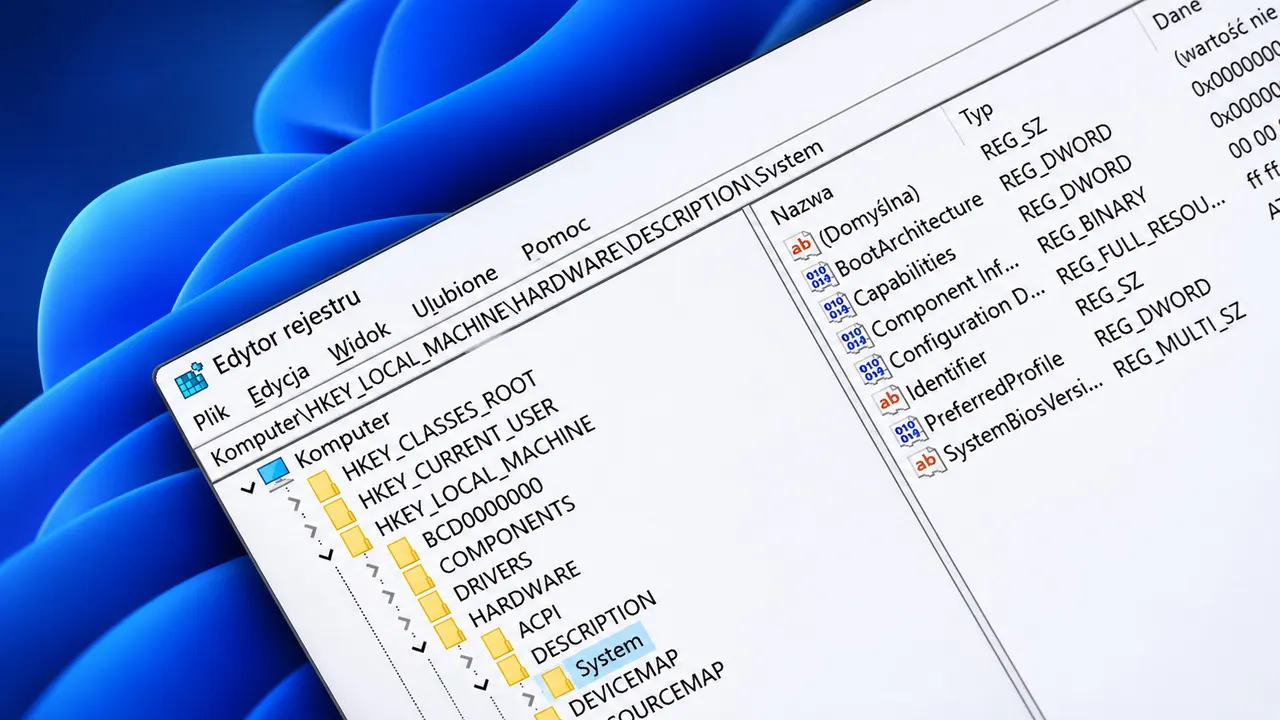
Windows 11 Registry Editor Gets a WinUI 3 Version as a Demo

JRH ASI to Finance Radar System Production for Ukrainian Partner