Boom Supersonic Overture Delayed? United CEO Doubts 2029 Date
United Airlines chief Scott Kirby says Boom's 2029 target for the Overture is unrealistic, while the company pivots to gas turbines for AI data centers.
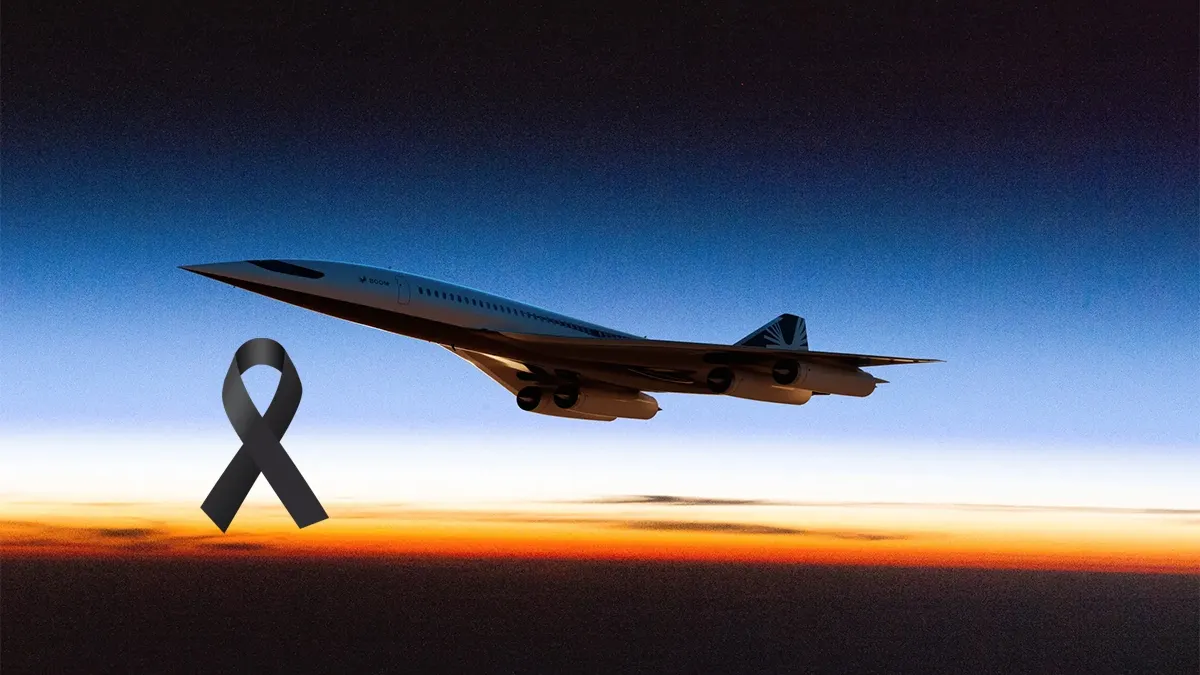
Boom Supersonic's plan to bring back supersonic passenger flights is running into scepticism from one of its most important potential customers. Scott Kirby, CEO of United Airlines, said on the Office Hours: Business Edition podcast that the 2029 date for the Overture airliner is not realistic and that the programme will take longer. He also pointed to unresolved design problems and the coming certification by the FAA, and noted there is no guarantee Boom will clear every hurdle.
The remark carries weight. United has a conditional agreement with Boom for future aircraft, as do American Airlines and Japan Airlines, with non-refundable deposits of undisclosed size. Carriers can only finalise purchases once a certified aircraft exists. In March, Kirby put the chances of Overture entering regular service at "50-50"; now he is challenging the date itself.
Targets, not results
Boom describes Overture as a Mach 1.7 aircraft cruising at around 18.3 km, carrying 64 to 80 passengers over roughly 7,870 km, designed to run on up to 100 percent sustainable aviation fuel. Those are design goals: the aircraft has not yet flown.
The company does have a concrete achievement. Its experimental XB-1 flew in 2024 and 2025 and went supersonic in January 2025, which Boom says makes it the first independently developed jet to do so. It also demonstrated "boomless cruise", which uses the Mach cutoff effect so shock waves bend in the atmosphere before reaching the ground. XB-1 is not a scaled-down Overture, though, so it lowers risk only in some areas.
An engine for AI
Boom concluded that no existing engine met Overture's needs, so it is developing its own, called Symphony. That sharply raises the scale of the project.
On 22 October the company unveiled a plant in Centennial, Colorado, to make components for Superpower, a 42 MW gas turbine aimed at AI data centers. First deliveries were planned for mid-2027, with output rising to 25 units a year in 2028 and 50 in 2029. Symphony and Superpower share a turbine core, and Boom says reliability data from Superpower could later support the aircraft engine.
The energy business has already stumbled, however. Crusoe, a data-center infrastructure firm, had planned to buy 29 Superpower turbines in a deal worth $1.25 billion, but the transaction fell through.
More from this day
See all →



More in: Business
See all →
ED Arrests Armstrong Exchange Founder Sagar Dash in Betting Probe

Verve plans phone tap-to-pay and AI agent payments in Nigeria
SWK Energie launches meinGAMING, a power tariff for gamers