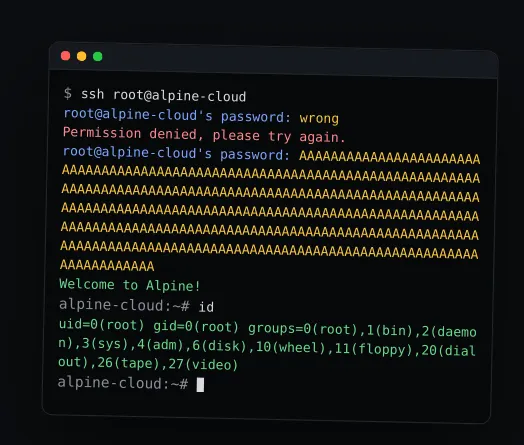
Binance $6.3 Billion Heist Began With a Fake Homebrew on Mac
The theft of about $6.3 billion from Binance started when a DevOps engineer downloaded a counterfeit Homebrew on a Mac, new details show.

 SUMO· the number puzzle
 Dialo· learn languages by speaking
 ediviewer· read EDI files like documents
 giftdetect· the right gift in minutes
The attack that drained roughly $6.3 billion from crypto exchange Binance began with a simple trick: an employee installed a fake copy of Homebrew on a Mac, according to newly disclosed details. The hackers relied on social engineering rather than sophisticated exploits.
From a Google search to a wallet team
The chain started in June 2026. A DevOps engineer at Binance was looking for an AI coding tool and downloaded a malicious version of Homebrew found through Google search results. Binance says it caught the incident early and prevented direct damage. It did not realize, however, that the step had let the attackers identify the staff who work on the platform's crypto wallets.
Homebrew is a package manager that developers use on macOS to install tools. The malware targeted the /opt/homebrew path, which is used on Macs with Apple Silicon chips. That suggests the compromised machine was a MacBook with an M-series processor.
A fake job interview
In September 2026, the attackers approached another engineer who works on Binance wallets and persuaded them to take part in a bogus job interview. The engineer was asked to complete a coding task on their work computer, a common ploy that exploits a candidate's wish to land a job so they run harmful files or commands.
Binance's security systems did not detect this stage. On October 29, details of the multibillion-dollar theft from the platform's wallets emerged. The hackers are widely suspected of links to North Korea, though the available information does not explain how the intrusion was carried out in full.
Why it matters for Mac users
The methods are not new. Fake Homebrew ads appeared at the top of Google results in early 2025, distributing the Atomic Stealer malware to Mac users. Binance has not confirmed whether the employee found the fake through a paid ad or an ordinary search.
The case raises questions about Apple device security, but the report notes that built-in protections cannot stop a developer from running commands or scripts they choose to execute. Paste warnings in Terminal, added by Apple in macOS 26.4, might have helped but would not have guaranteed a stop: a user who believes they are doing a coding test for a coveted job may carry on anyway. The lesson is to install software only from trusted sources.
Apps worth a look
SUMO: the number puzzleTap the right tiles, add them up, hit the target. Easy to learn, hard to master. Free, for all ages.
Dialo: learn languages by speakingTalk to an AI conversation partner; every sentence comes back corrected and explained in your language. 9 languages, A1 to C2.
ediviewer: read EDI files like documentsOpen EDIFACT and X12 messages, see every segment explained, convert to JSON/XML, export PDF and Excel. Runs locally, no upload.
giftdetect: the right gift in minutesPick who it is for, the occasion and their personality. The search engine reads product descriptions from local shops and ranks what fits. Free, no sign-up.
More from this day
See all →
Anthropic Launches Message Threads to Speed Up Claude Chats

Canva Lays Off 22% of Staff and Cuts Growth Forecast on AI Costs

Poland's UOKiK Fines Fake Review Sellers Over PLN 220,000

Erste, Pekao and PKO BP Add PLN 500m to Innovate Poland Program
More in: Security
See all →
Crédit Mutuel Arkéa hit by cyberattack: over €100M stolen via vendor
ApplyNow Breach Exposes Data of 396,920 People in Japan
Chrome 157 Fixes 213 Security Flaws, Including 7 Critical Ones