AI radiology alerts: jurors blame doctors more when they ignore them
In a mock malpractice study, a radiologist who ignored an AI warning was judged more harshly than one who missed the same bleed with no AI at all.
 SUMO· the number puzzle
 Dialo· learn languages by speaking
 ediviewer· read EDI files like documents
 giftdetect· the right gift in minutes
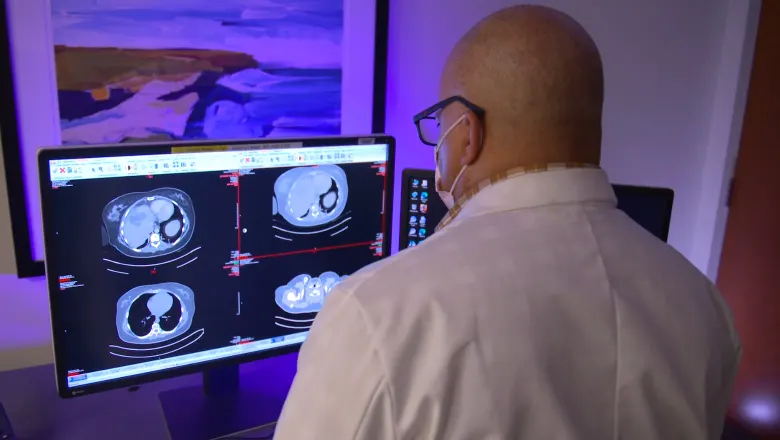
A radiologist misses a brain bleed on a CT scan. Whether people blame him depends on something that has nothing to do with the scan: did an AI tool flag the bleed and get ignored? According to a new study on AI in radiology and malpractice, it matters a lot.
Researchers built a fictional case. A 50-year-old man arrives with stroke symptoms. Doctors want to give a clot-dissolving drug, but first they must rule out bleeding in the brain, because the drug could make it worse. The radiologist reads the CT, sees no blood, and the patient gets the drug. He deteriorates and the brain damage is permanent.
The images, the doctor's decision and the outcome stayed the same in every version. Only the AI changed. In the study, published in NEJM AI, 1,334 US residents acted as jurors. Without AI, 56.3% sided with the patient. When both doctor and algorithm missed the bleed, 50% did. When the AI flagged it and the doctor disagreed, 72.9% did. A second case, a missed chest wall tumour in a 55-year-old breast cancer survivor, showed the same pattern: 63.5% when the AI also missed it, 78.7% when it had warned the doctor.
Lead researcher Michael Bernstein of Brown University calls this an "AI penalty". Once the outcome is known, a warning looks like a missed chance. In the moment, the doctor sees only a signal and doesn't know if it's right. These figures show how people judge in hindsight, not how often doctors lose real lawsuits.
Does telling jurors about false alarms change the verdict?
Yes, in the bleed case. Some participants were told that of ten cases the system flags as a bleed, only five really are. Support for the patient fell from 72.9% to 48.8%. In the tumour case it dropped from 78.7% to 73.1%, which was not statistically significant.
A second experiment by Bernstein's team, published in Nature Health in March 2026, had 282 participants judge how the doctor worked. If the radiologist read the CT once while seeing the AI warning, 75% called the work insufficiently careful. If he read it alone first, checked the AI, then looked again, 53% did. Same wrong conclusion, but a second look counted for something.
Bernstein sees a risk for patients: if every dismissed alert might need defending in court, ordering another scan is the safe move. That means extra cost and waiting. The researchers did not measure whether doctors actually order more scans.
In November, the American Medical Association proposed legally protecting a doctor's right to override AI advice. It also argued that vendors should bear responsibility for product defects and disclose limitations and accuracy figures.
Apps worth a look
SUMO: the number puzzleTap the right tiles, add them up, hit the target. Easy to learn, hard to master. Free, for all ages.
Dialo: learn languages by speakingTalk to an AI conversation partner; every sentence comes back corrected and explained in your language. 9 languages, A1 to C2.
ediviewer: read EDI files like documentsOpen EDIFACT and X12 messages, see every segment explained, convert to JSON/XML, export PDF and Excel. Runs locally, no upload.
giftdetect: the right gift in minutesPick who it is for, the occasion and their personality. The search engine reads product descriptions from local shops and ranks what fits. Free, no sign-up.
More from this day
See all →
South Korea payment gateway breaches: NHN KCP, KIS, Welcome hit
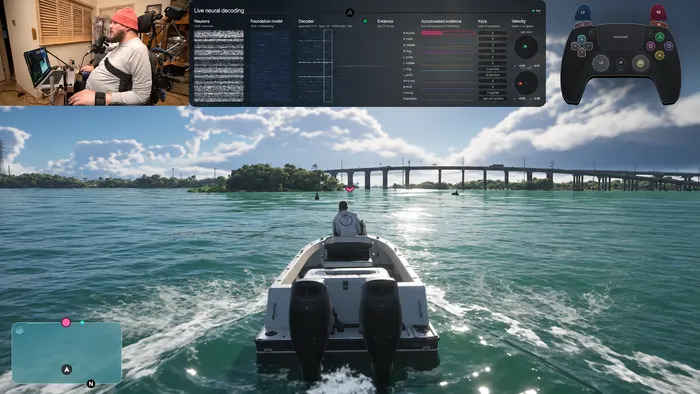
Neuralink patient plays GTA 6 using only his thoughts
GTA VI Xbox executable leaked, and modders are already on it
MB.Drive Assist Pro: Mercedes gets German OK for city driving
More in: AI
See all →
Chrome AI agents could get a permission system from Google
Data center opposition grows as residents question AI's water and power use
Instinct AI assistant: the app that does tasks, not just chats