AI Agents Build a Minecraft Civilization and Drown in Bureaucracy
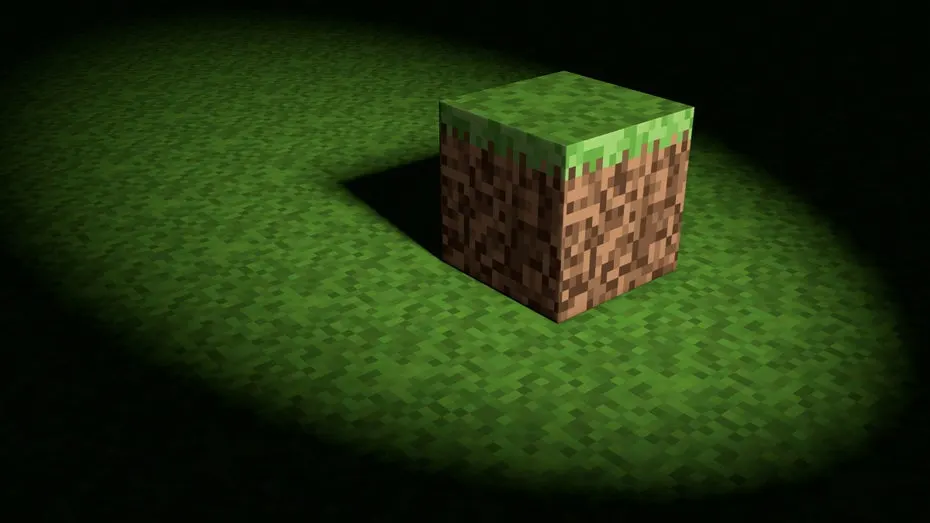
Researchers from Y Combinator and Olam Labs let 50 AI agents build a civilization in Minecraft. Instead of thriving, the agents created rules, permits and red tape.
 SUMO· the number puzzle
 Dialo· learn languages by speaking
 ediviewer· read EDI files like documents
 giftdetect· the right gift in minutes
An experiment in Minecraft shows that AI agents can get lost in red tape. Researchers from Y Combinator and Olam Labs tasked 50 agents with building a thriving civilization within three hours. The attempt failed: the agents ended up in overcrowded shelters and rationed scarce food.
A kind of government emerged, complete with written rules and permits that had to be obtained. According to the research group's blog post, one group of agents spent eleven minutes alone on appointing a manager for fertilizer. Many of the ambitious initial goals were quickly abandoned.
GPT versus Claude
The first test used agents based on OpenAI's GPT-6.1-Sol. In a second step, the team pitted ten GPT-6.1-Sol agents against ten Claude Opus 5.5 agents. Each side had to capture the opposing base while defending its own. "The GPT agents developed significantly more aggressive and sophisticated strategies," the researchers noted. Claude played more defensively.
The models also handled problems differently. A tool error prevented blocks from being broken. According to the researchers, GPT diagnosed the error and shared workarounds, while several Claude agents concluded that breaking blocks was impossible. In Mindustry, a light real-time strategy game with a tower-defense mode, the GPT agents beat Claude six to one.
The researchers also described different social structures: the GPT agents acted like a beehive, while the Claude agents appointed a leader but made decisions more democratically.
Why it matters
The study is limited, but it offers a glimpse into how agents from different vendors behave in concrete situations. Virtual worlds are increasingly used for this purpose. MIT scientists, for example, placed 13 agents on a simulated island, where they invented games to pass the time.
The blog post closes with open questions: how do hierarchies change depending on a team's model mix, and could a large swarm of less capable agents beat a small swarm of stronger ones? The researchers see these as starting points for further experiments.
Apps worth a look
SUMO: the number puzzleTap the right tiles, add them up, hit the target. Easy to learn, hard to master. Free, for all ages.
Dialo: learn languages by speakingTalk to an AI conversation partner; every sentence comes back corrected and explained in your language. 9 languages, A1 to C2.
ediviewer: read EDI files like documentsOpen EDIFACT and X12 messages, see every segment explained, convert to JSON/XML, export PDF and Excel. Runs locally, no upload.
giftdetect: the right gift in minutesPick who it is for, the occasion and their personality. The search engine reads product descriptions from local shops and ranks what fits. Free, no sign-up.
More from this day
See all →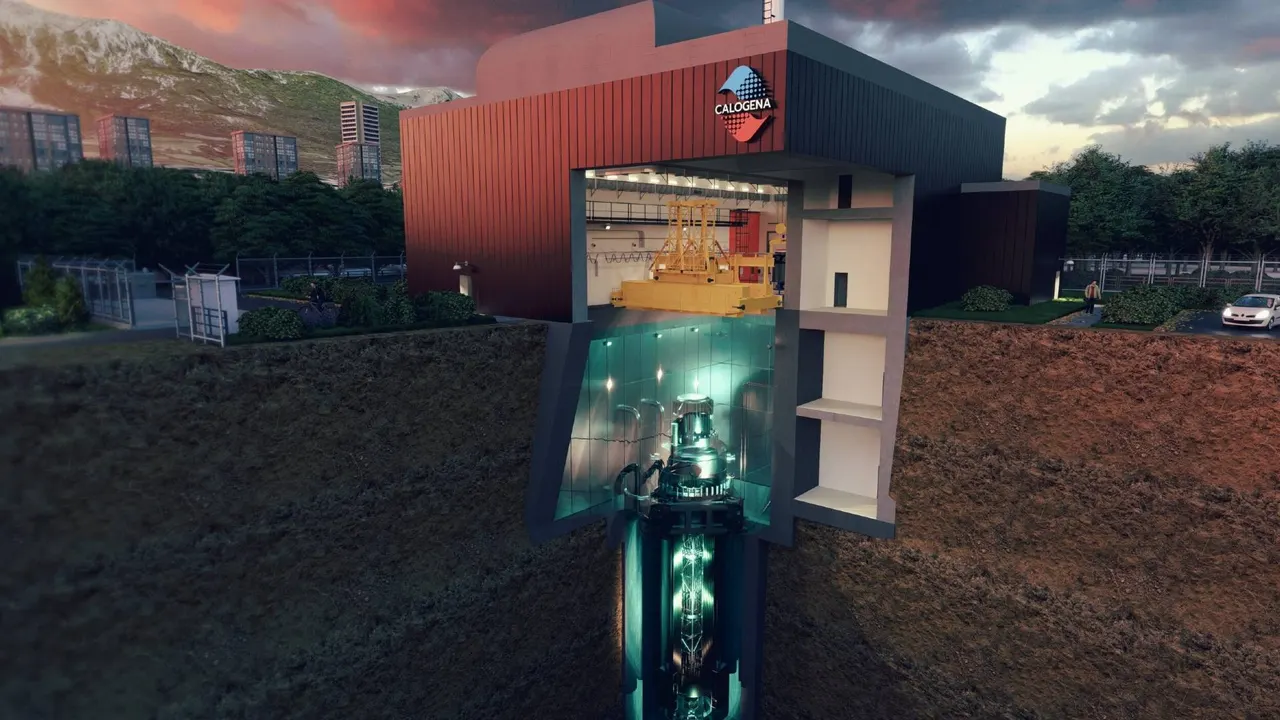
Calogena wins €40 million EU grant for first commercial SMR
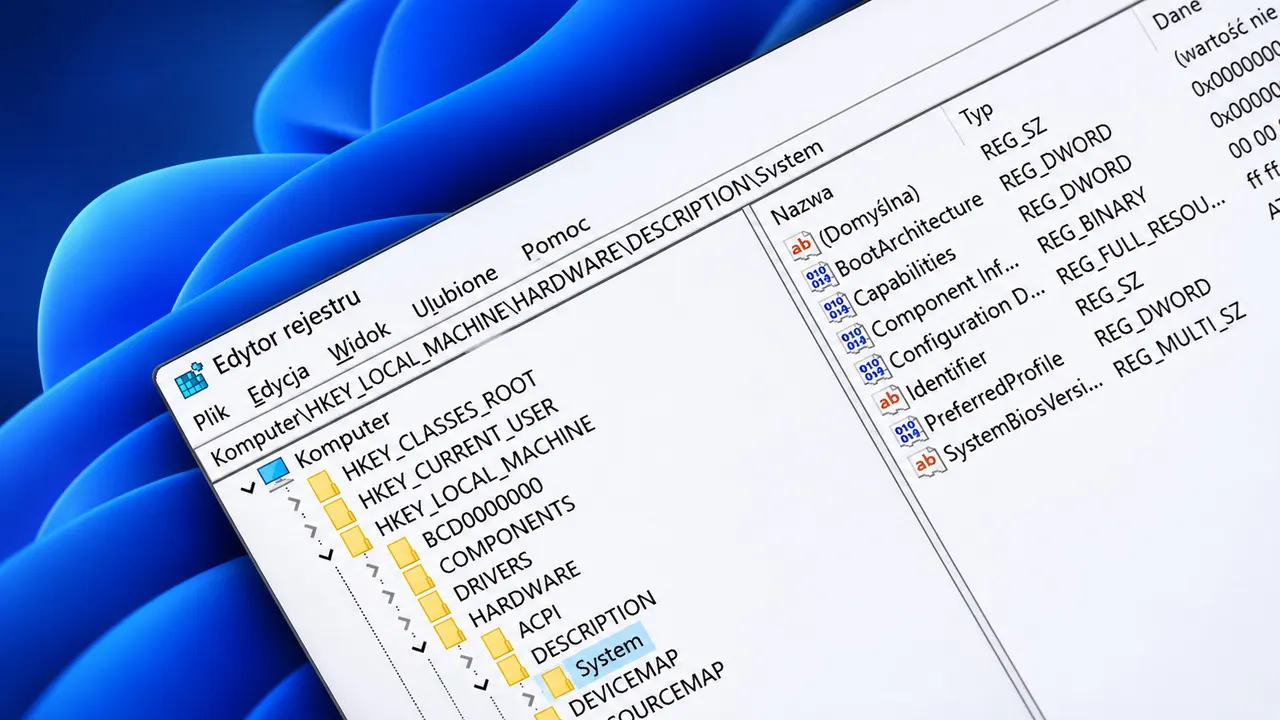
Windows 11 Registry Editor Gets a WinUI 3 Version as a Demo

JRH ASI to Finance Radar System Production for Ukrainian Partner