1Password breach: attacker got in via an employee's GitHub account
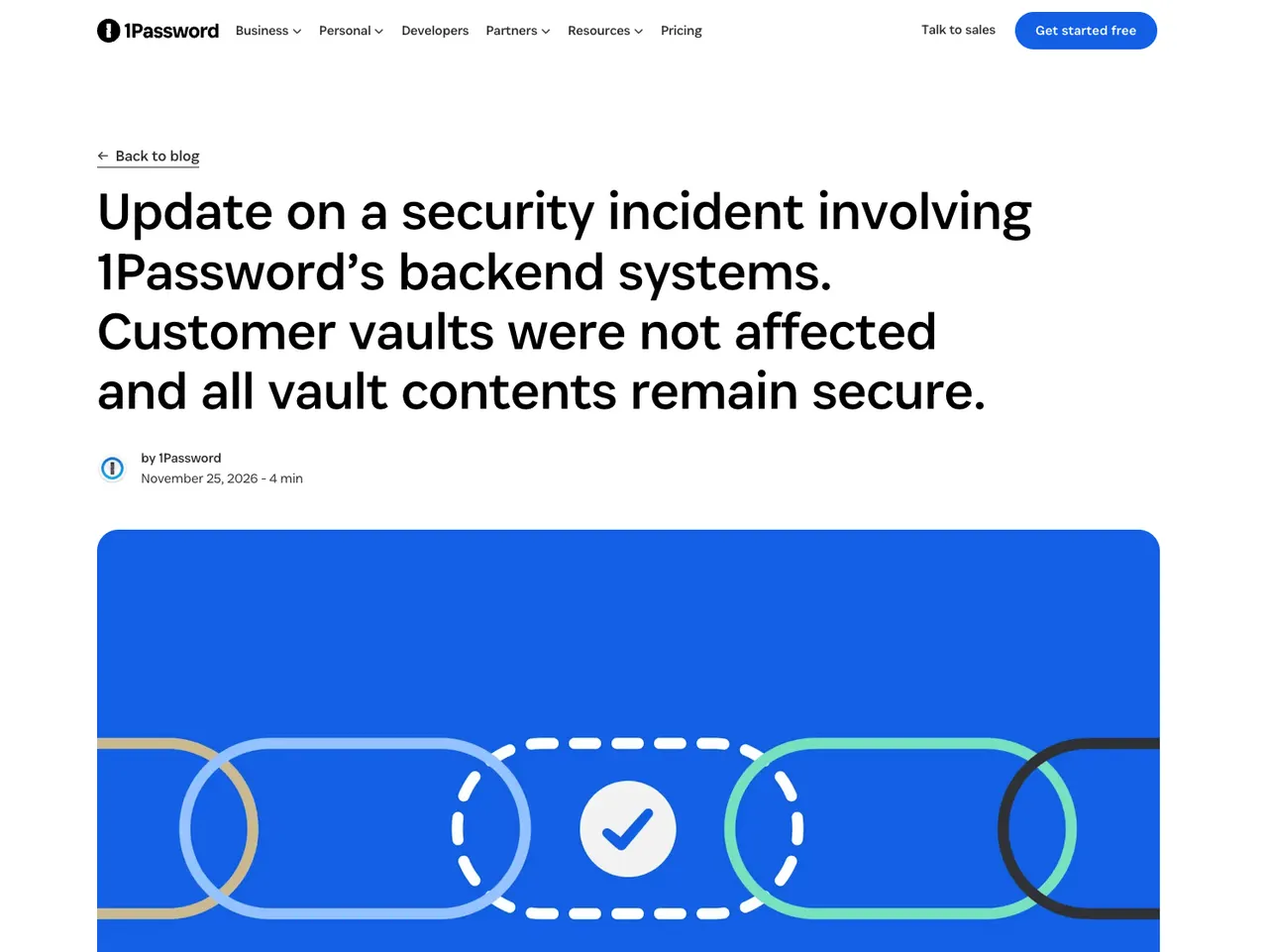
1Password says an attacker used a staff GitHub account to pull names and email addresses of some users. Vaults were not touched, the company says.
 SUMO· the number puzzle
 Dialo· learn languages by speaking
 ediviewer· read EDI files like documents
 giftdetect· the right gift in minutes
If you use 1Password, the short version of this week's breach news is: some account details leaked, your vault did not. The company disclosed on 25 November that an attacker got into an employee's work GitHub account and used it to take administrative data about some users.
The company began investigating signs of an attack on 19 November. According to 1Password, the intruder used the GitHub account to reach source code, then pushed malicious code into a backend service that made it download account records. The attacker also copied source code from private repositories and got into the CI/CD system, the automated pipeline that builds and ships software.
What data was exposed in the 1Password breach?
The stolen records cover some users only. They include names, email addresses, account and user identifiers, the dates an account was created and last signed in, and tokens attached to links in invitation and account recovery emails.
Those tokens only work together with an SSO sign-in or a six-digit code sent to the registered email address, so a token alone cannot open an account. Few users were mid-way through such a process, and the company contacted them individually. It says it has found no sign that any account was taken over.
The source code holds no user data or user secrets, according to 1Password. The CI/CD system did contain infrastructure secrets, and the company has rotated or revoked every internal credential that might have leaked.
Are my 1Password vaults safe?
The company says yes. Vault contents are encrypted with keys only the user holds, so neither 1Password nor an attacker on its servers can read them. The keys protecting vaults and the account recovery keys were not affected. Account passwords and Secret Keys are never stored by the company.
What 1Password changed, and what you should do
1Password disabled the compromised GitHub account and removed access the attacker had created. As a precaution, the codes in invitation and recovery emails grow from six digits to ten letters and numbers. It is also tightening control over internal GitHub, CI/CD and devices, and outside security experts are checking the cleanup.
Apps and services run normally, and users do not need to change anything. The company does warn about phishing: be wary of unexpected emails, messages or calls mentioning 1Password, invitations or account recovery. It never asks for your account password or Secret Key, so enter them only in the official app or site you opened yourself.
Apps worth a look
SUMO: the number puzzleTap the right tiles, add them up, hit the target. Easy to learn, hard to master. Free, for all ages.
Dialo: learn languages by speakingTalk to an AI conversation partner; every sentence comes back corrected and explained in your language. 9 languages, A1 to C2.
ediviewer: read EDI files like documentsOpen EDIFACT and X12 messages, see every segment explained, convert to JSON/XML, export PDF and Excel. Runs locally, no upload.
giftdetect: the right gift in minutesPick who it is for, the occasion and their personality. The search engine reads product descriptions from local shops and ranks what fits. Free, no sign-up.
More from this day
See all →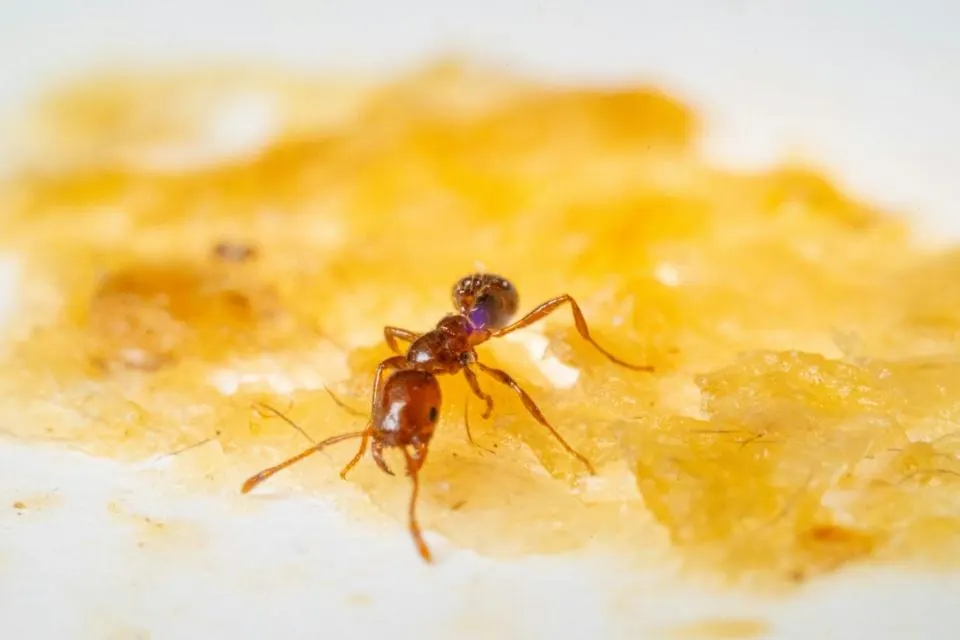
Earwax makes ants slip, and researchers say it may repel bugs
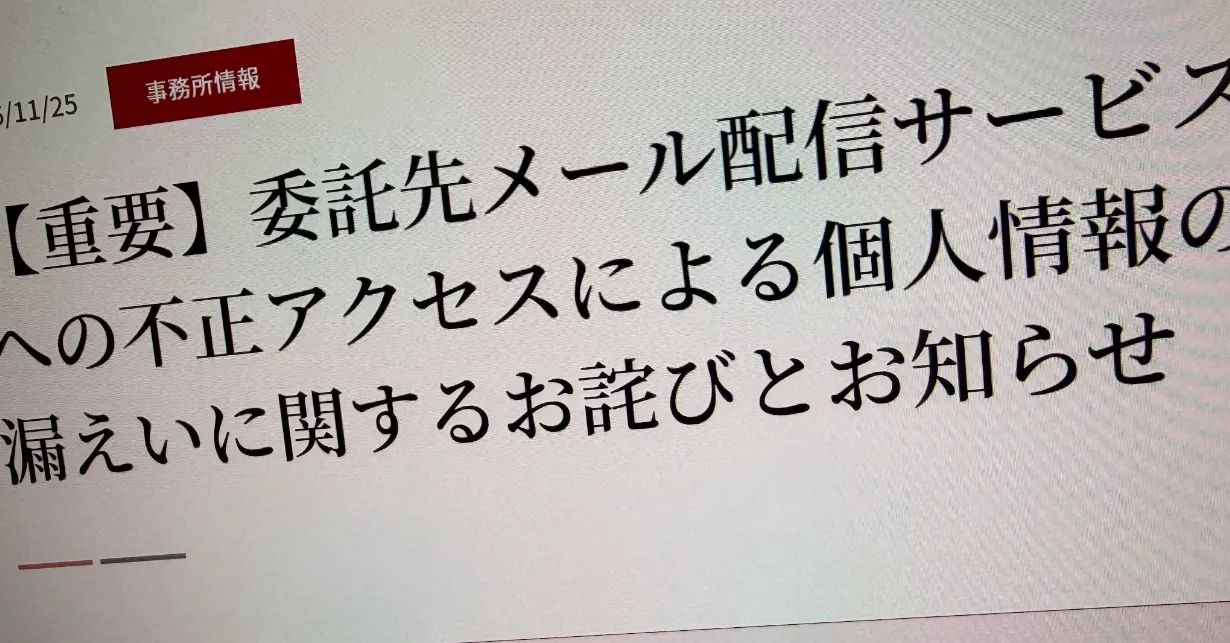
Adire Law Office data breach: 1,828 contact-form records leaked
Voyager 1 stops sending data just as it hits one light-day away